Blog
24K Gold Finish vs. Rose Gold Finish: What Actually Changes

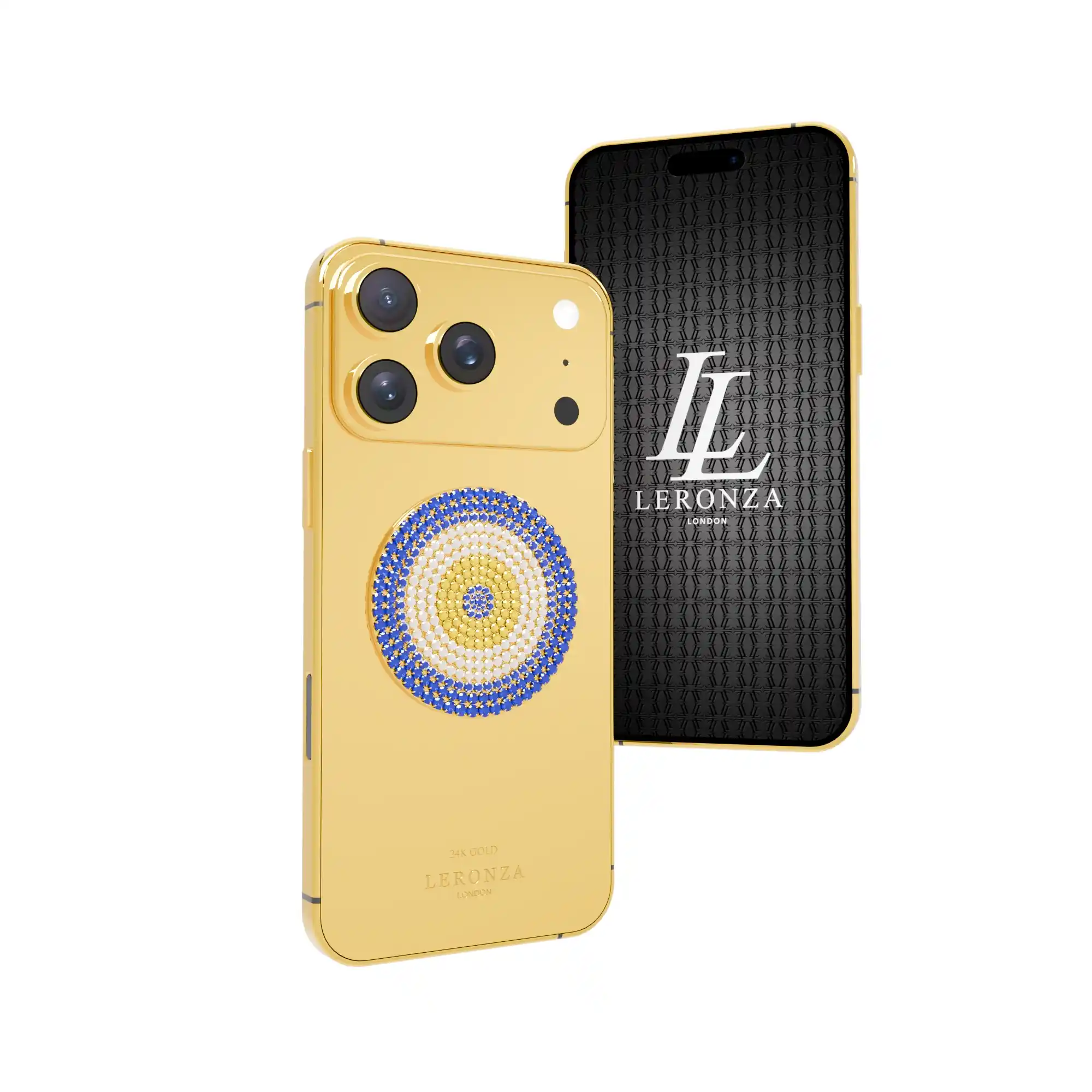
Two clients walk into the same consultation, choose the same iPhone, the same engraving, the same everything — and leave with visibly different phones. Not because one paid more. Because one asked for 24K Gold and the other asked for Rose Gold, and that single word changed how the entire device reads in a room.
Here’s what that word actually changes, and what it doesn’t.
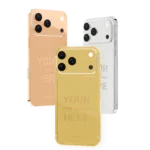
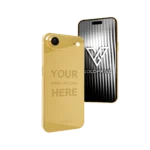
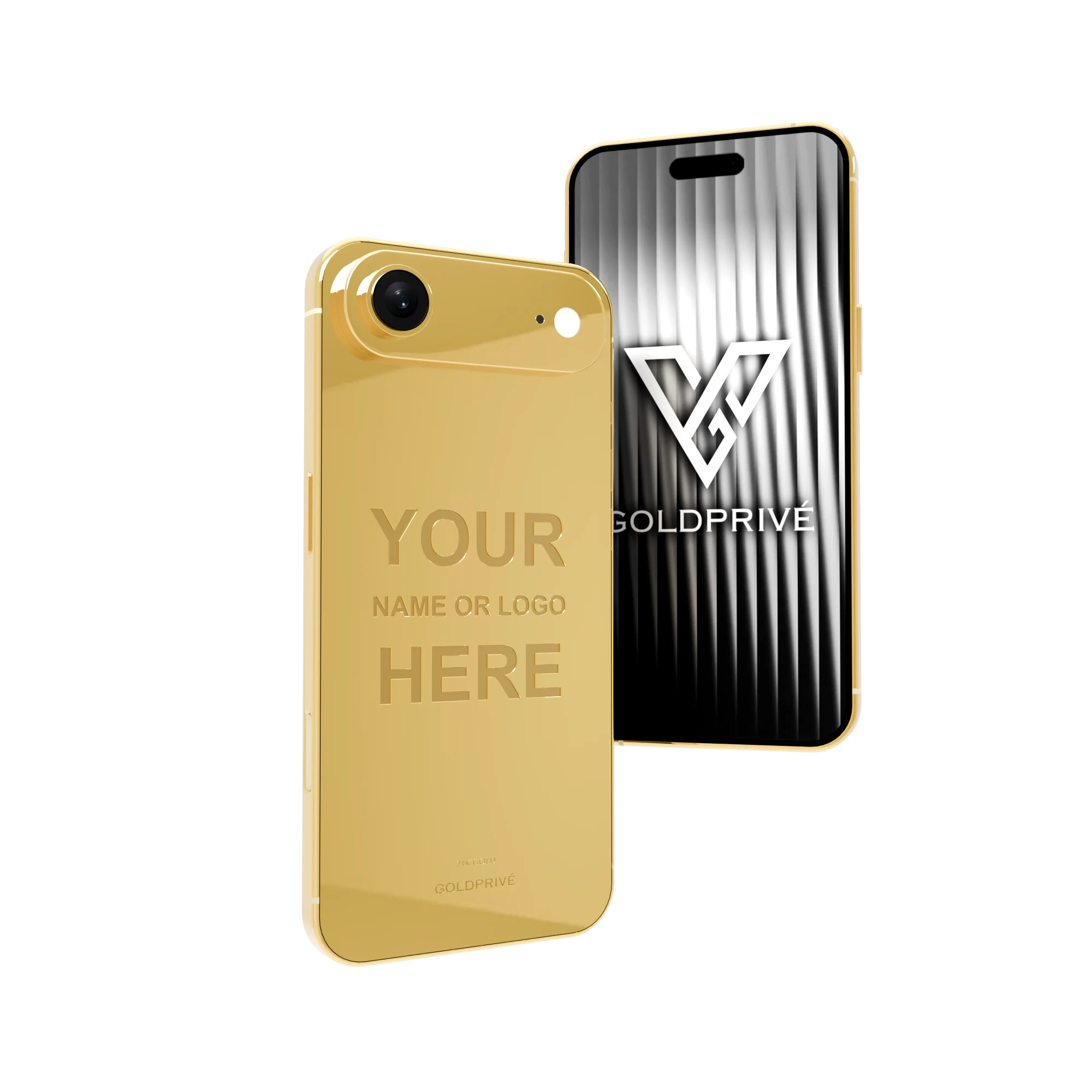
The classic, instantly-recognized yellow-gold tone. Reads as “gold” to literally everyone, no explanation needed. Slightly less forgiving on cooler skin tones.
A warmer, pinkish tone from a gold-copper finish. More contemporary, tends to pair better with warm undertones and rose-toned jewellery already worn.
At Leronza, both are offered as plating options across the same devices, at the same 5-to-7-micron thickness explained in solid gold vs. gold-plated: what’s the real difference. Which means the decision isn’t really about quality at all. It’s about tone, context, and what the piece is meant to say.
Same Metal, Different Personality
Both finishes start from gold. The distinction comes from what else is in the mix. Yellow gold (the 24K finish) stays close to gold’s natural colour, while rose gold gets its blush from copper content — the jewelry industry’s standard 18-karat rose gold alloy runs roughly 75% gold, 22.25% copper, and 2.75% silver, a ratio widely documented across fine jewellery manufacturing and regulated in the U.S. under the FTC’s jewelry marking guidance. More copper, more pink. Less copper, closer to a classic gold tone.
What that means in practice: a 24K finish photographs and reads as unambiguously “gold” in any light. A rose gold finish shifts depending on what’s around it — warmer under incandescent light, cooler and more subdued in daylight, and noticeably different again next to rose-gold watches or jewellery than it looks on its own.
| Consideration | 24K Gold | Rose Gold |
|---|---|---|
| Visual tone | Warm yellow, high recognizability | Soft pink-gold, tone shifts with lighting |
| Best paired with | Yellow-gold jewellery, warm colour palettes | Rose-gold accessories, blush and neutral tones |
| How it reads to others | Immediately identifiable as gold | Read as premium and modern; occasionally mistaken for a custom colourway rather than gold |
| Plating thickness | 5–7 microns (Leronza standard) | 5–7 microns (Leronza standard) |
| Price | Identical across GoldPrivé’s collections | Identical across GoldPrivé’s collections |
| Care requirements | Soft cloth, no harsh chemicals | Soft cloth, no harsh chemicals |
The part most buyers get wrong
People assume rose gold costs more (it’s “trendier”) or less (it “uses less real gold”). Neither holds up. Checking GoldPrivé’s own catalogue — the Hamsa Eye Amulet, LuxEvil Charm, and Seraphic Hamsa Blessing collections all confirm it directly — 24K Gold, Rose Gold, and Platinum are priced identically within every model and storage configuration. The only thing that moves the price is device storage size, not finish choice.
Which One Actually Suits You
If the point is for anyone, anywhere, to immediately register “that’s gold” without a second look, 24K is the safer read. It doesn’t shift with lighting the way rose gold can.
If your watch, rings, or everyday jewellery already lean rose or pink gold, matching your phone to that palette reads intentional rather than mismatched.
24K gold carries less risk of being “too fashion-forward” for a recipient who associates luxury with the classic gold look rather than a contemporary twist on it.
Yellow gold is the reference point most people picture when they hear “gold phone.” Rose gold stands out precisely because it isn’t that default mental image, without stepping outside the gold family entirely.
What Doesn’t Change, No Matter Which You Pick
It’s worth being direct about this, because it’s easy to assume otherwise: choosing between these two finishes does not affect device performance, does not change how customization interacts with your original Apple warranty, and does not alter the personalization options available to you. Everything covered in GoldPrivé’s gold iPhone FAQ about warranty, water resistance, and returns applies equally to both finishes. The decision genuinely comes down to how the piece looks and reads — nothing structural rides on it.
Resale Is a Different Question Entirely
If resale or long-term value factors into the decision, the finish itself isn’t the deciding variable — construction is. A plated device (in either finish) is valued as a customized luxury good tied to the phone, as explained in gold iPhone resale value: does 24K customization help or hurt. Neither 24K nor rose gold has an inherent resale advantage over the other at the plating level.
Before You Commit, Settle These
- Look at it under the light you’ll actually see it in most. Rose gold’s tone shift is real — view samples under both daylight and indoor lighting before deciding, not just one.
- Check it against what you already wear. A phone finish that clashes with your daily jewellery will look like an oversight, not a choice.
- Think about who else will see it. A gift, a business context, and a personal daily-carry phone each have different “safe vs. distinctive” calculations.
- Don’t let price sway you either way. Since both finishes cost the same at Leronza, this genuinely comes down to preference, not value.
- Ask whether the piece is meant to be recognized or noticed. Recognized as gold, or noticed as different — that’s the real fork in this decision.
Questions People Ask Before Choosing
Is rose gold plating less durable than 24K gold plating?
No. Leronza applies both at the same 5-to-7-micron thickness, so durability under normal handling is equivalent between the two — the difference is entirely visual, not structural.
Does rose gold contain less actual gold than 24K gold plating?
The gold content in the plating layer itself is comparable at the same thickness; what changes is the alloy blend used to achieve the pink tone, not the amount of gold applied to the device.
Is one finish considered more prestigious than the other?
Not by any objective measure — both use the same plating process and thickness. Any sense that one is “more prestigious” comes down to personal or cultural association with the colour itself, not a difference in craftsmanship or material grade.
Can I see both finishes side by side before deciding?
Yes — this is exactly the kind of decision best made by viewing both finishes in person or requesting detailed reference imagery rather than choosing from a swatch alone, given how much lighting affects the rose gold tone specifically.
Does the finish choice affect delivery time?
No. Both are part of GoldPrivé’s standard finish offering across supported devices, so choosing one over the other doesn’t add to production time.
Is Platinum a middle ground between the two?
Not exactly a “middle” tone — Platinum is a cooler, silver-white finish rather than a blend of the other two. It’s a genuinely third option rather than a compromise between gold and rose gold.
Should I match the finish to my other Apple devices?
It’s a reasonable consideration if you’re building a coordinated set, but not a requirement — many buyers deliberately choose a finish for the phone independent of their MacBook, Watch, or other devices.
If there’s one honest takeaway here, it’s that this isn’t a decision with a wrong answer sitting on the other side of it. It’s a decision about tone, and tone is personal in a way that specifications aren’t.
Still torn between the two? See them both against your own devices and jewellery.