Blog
Platinum Finish on a Gold iPhone: What Actually Changes

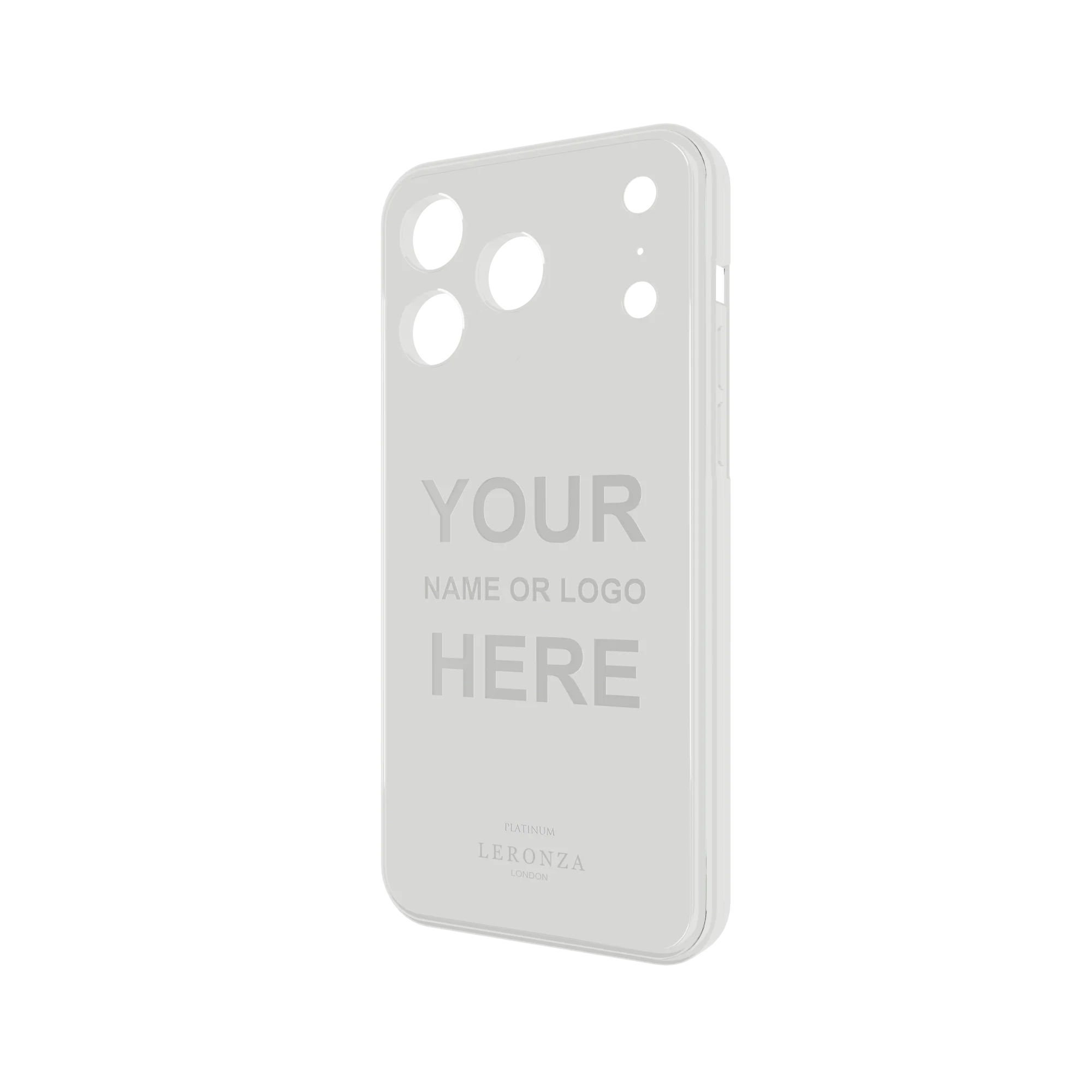
Every gold iPhone guide talks about 24K Gold and Rose Gold. Almost none mention that GoldPrivé’s third finish, Platinum, exists at the exact same price — and that it’s the only white-metal option in the entire collection. If you’ve been choosing between warm and pink without knowing a third, cooler option was sitting there the whole time, this fills that gap.
This picks up where 24K vs. Rose Gold left off, and leans on the plating mechanics explained in Electroplating vs. Gold Leaf to explain honestly what “platinum finish” does and doesn’t mean on a phone.
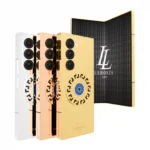
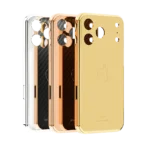
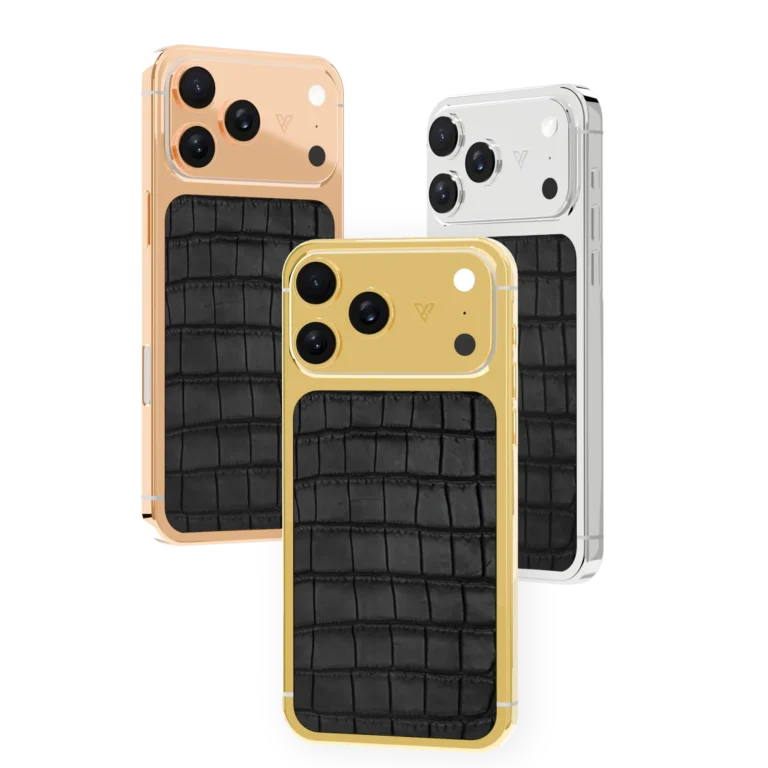
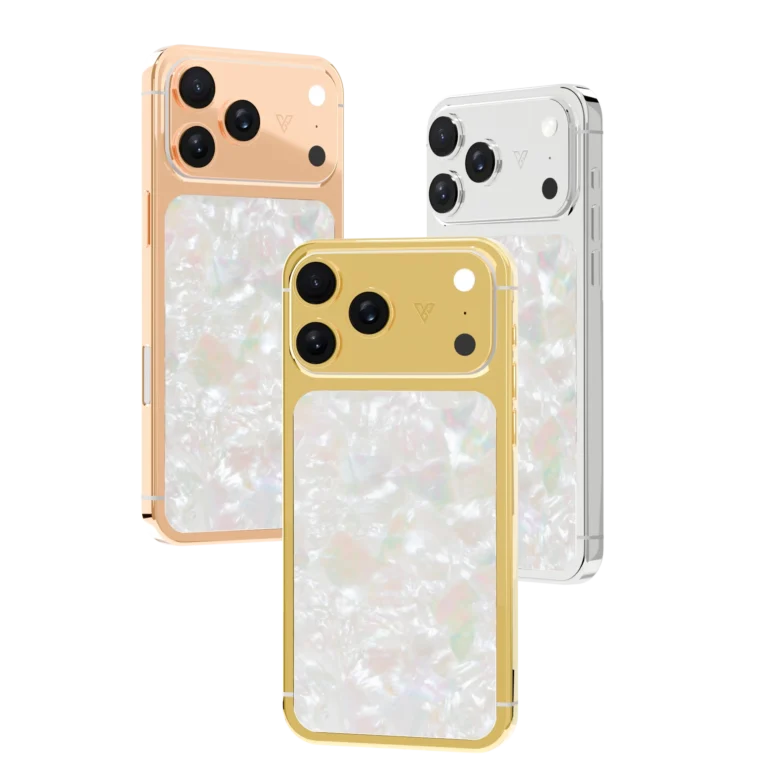
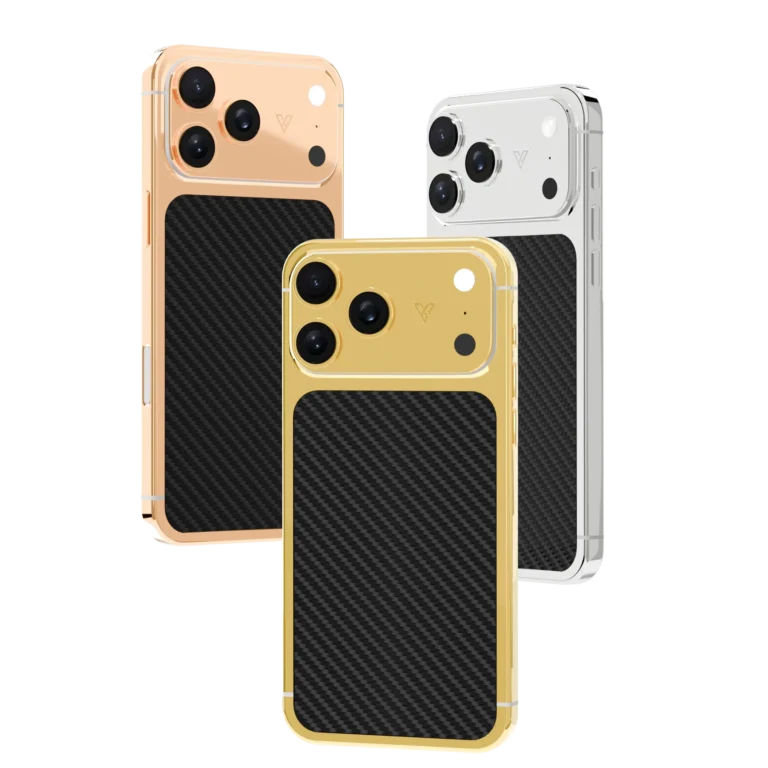
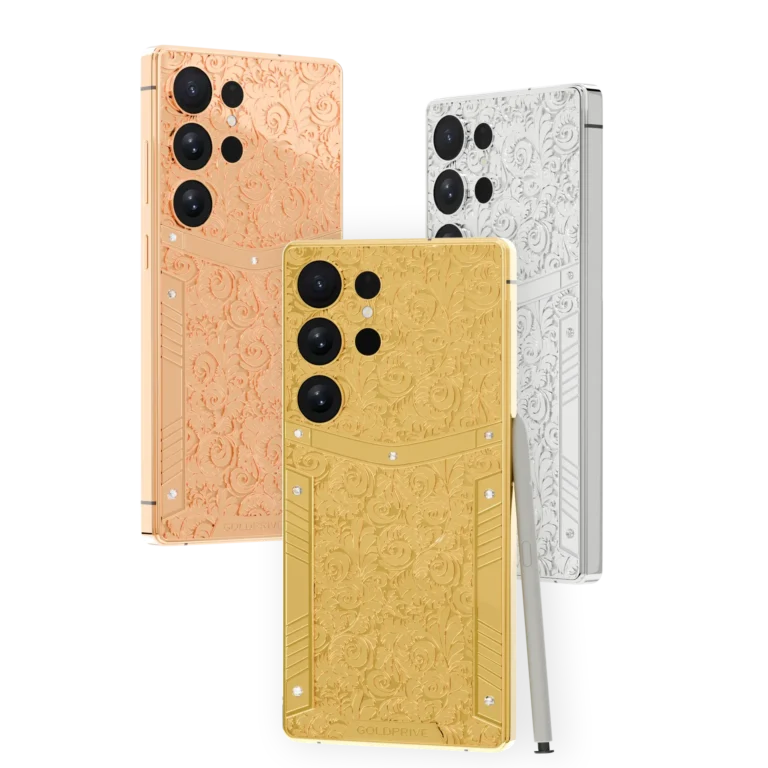
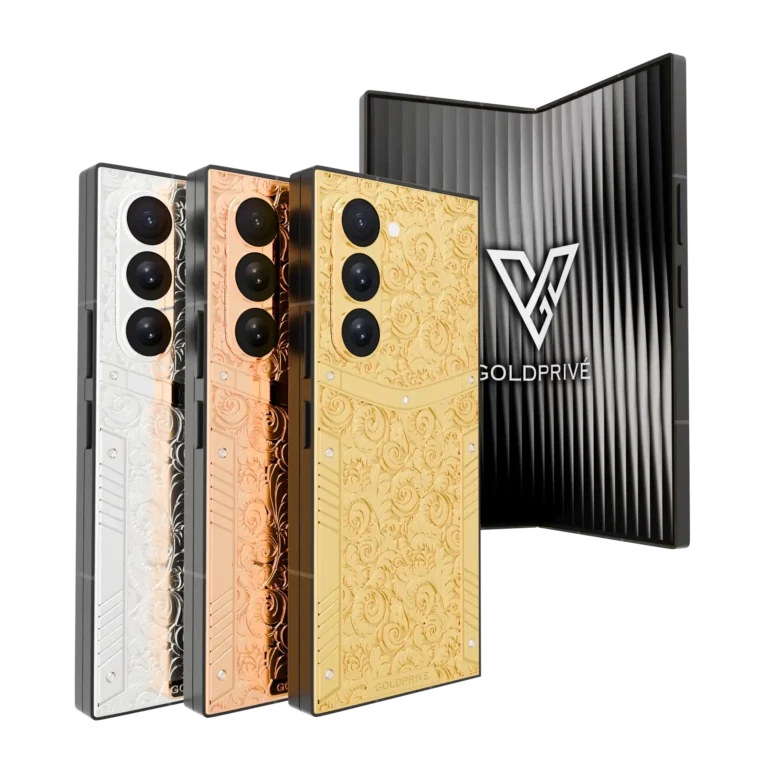
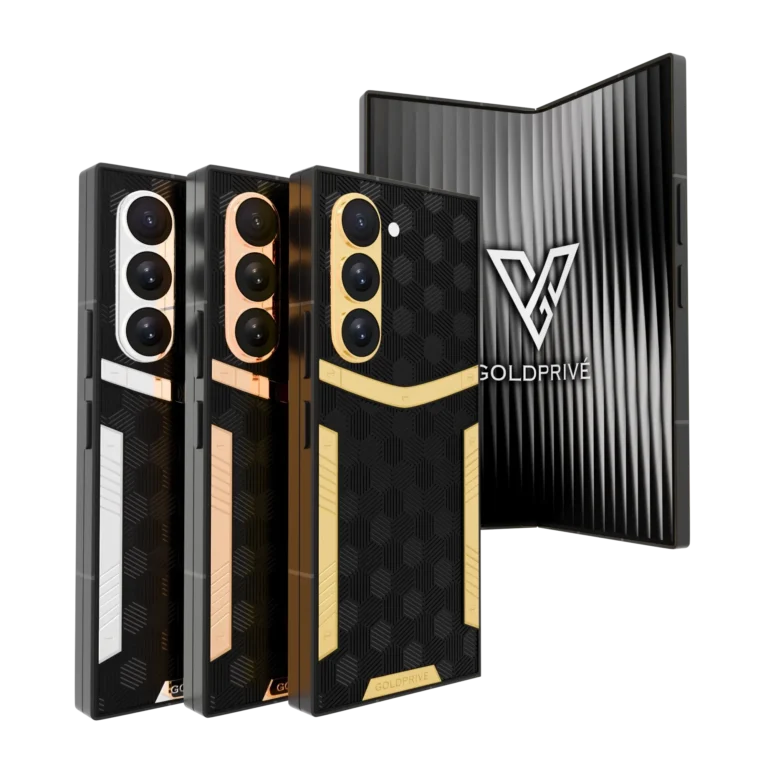
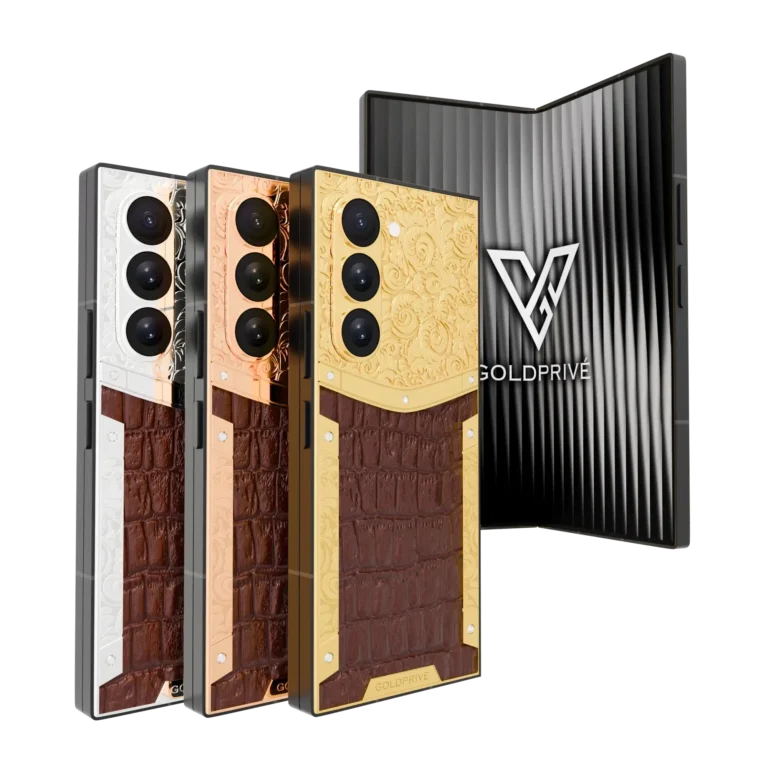
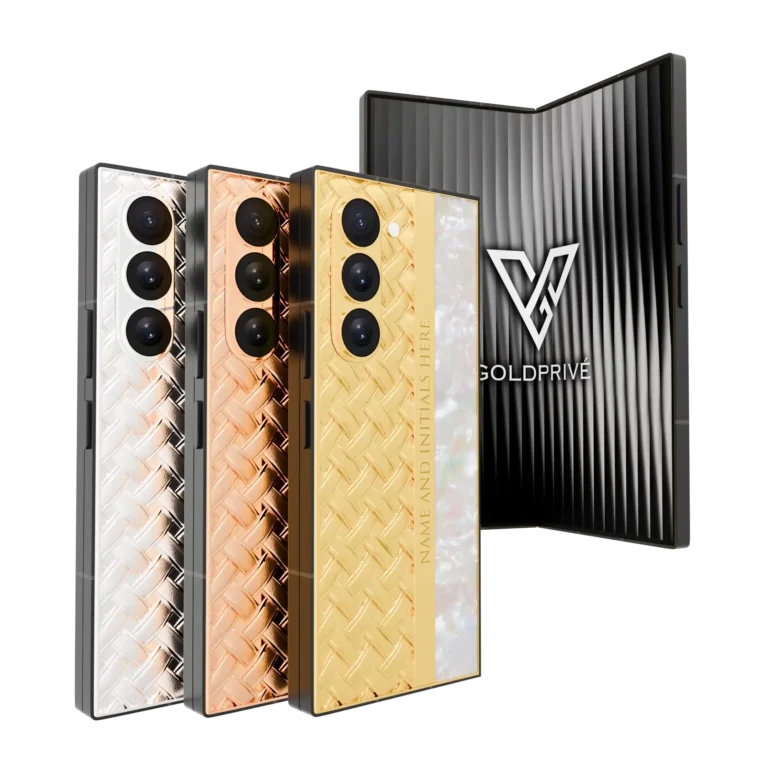
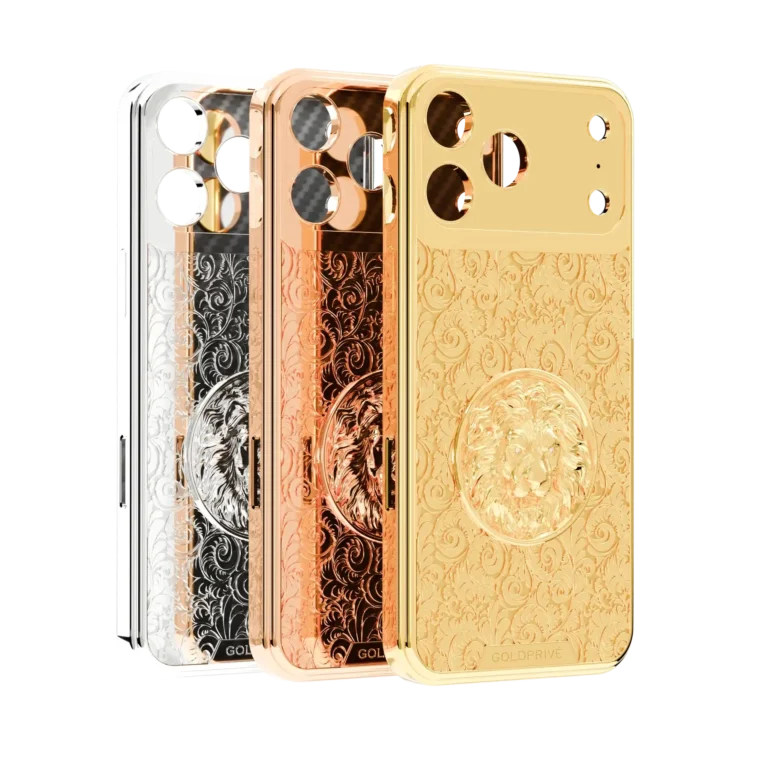
The Three Finishes, Side by Side
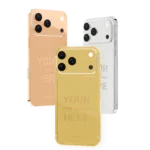
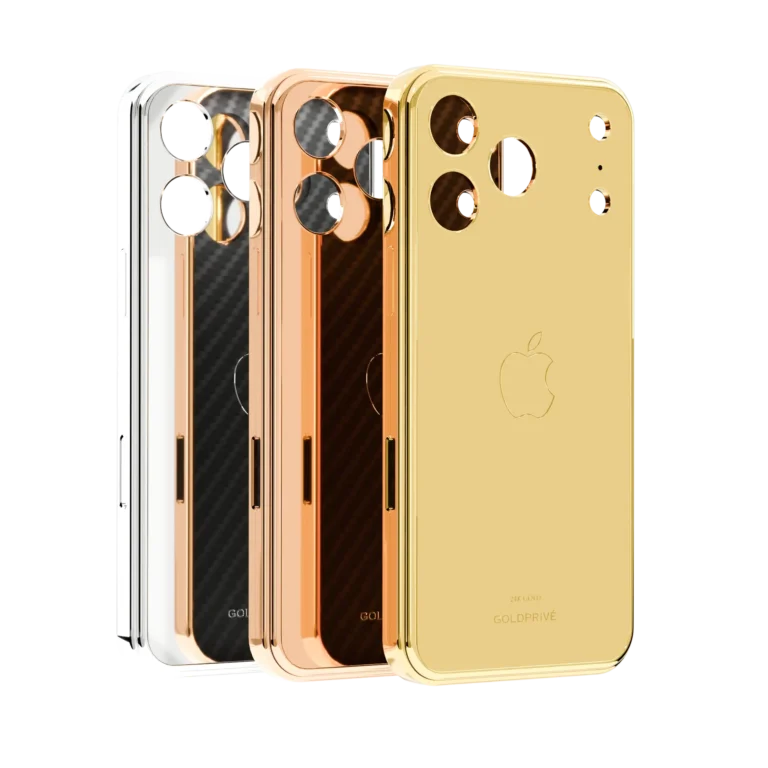
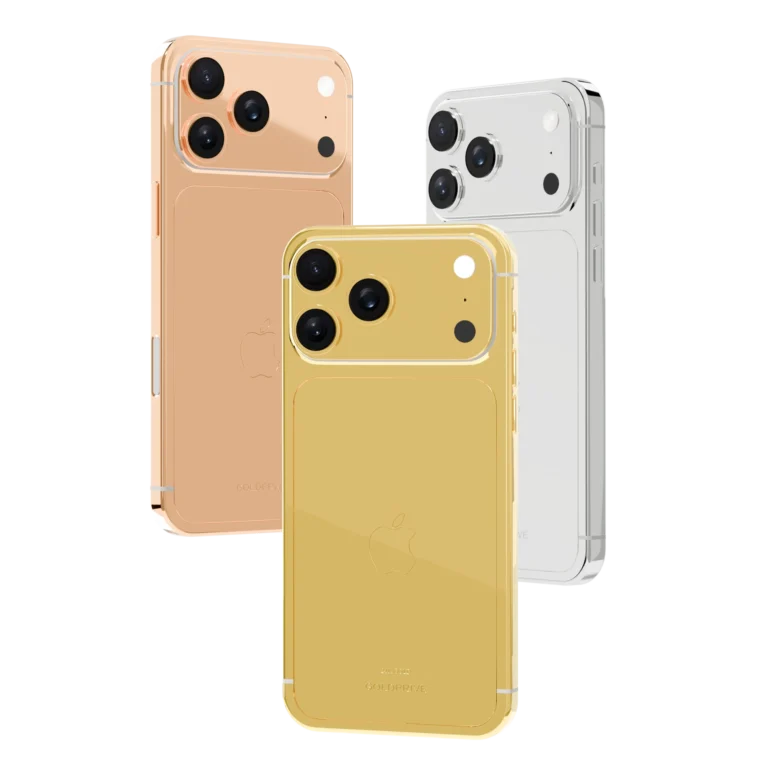
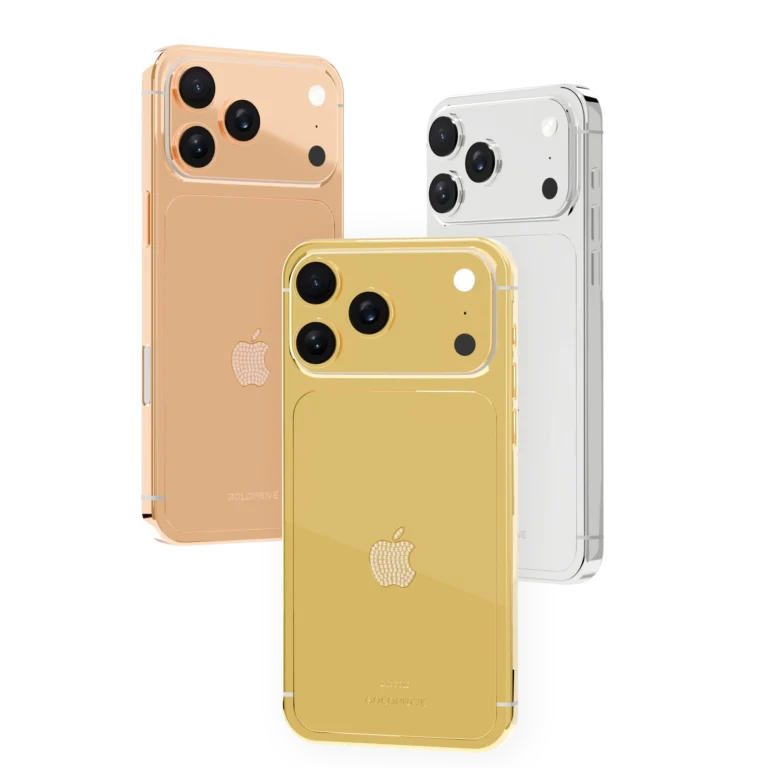
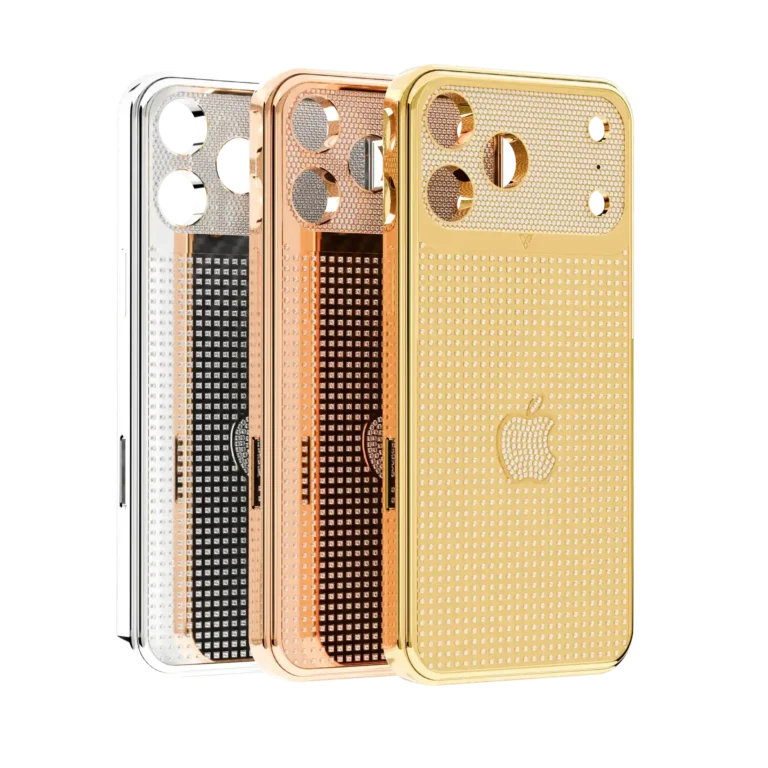
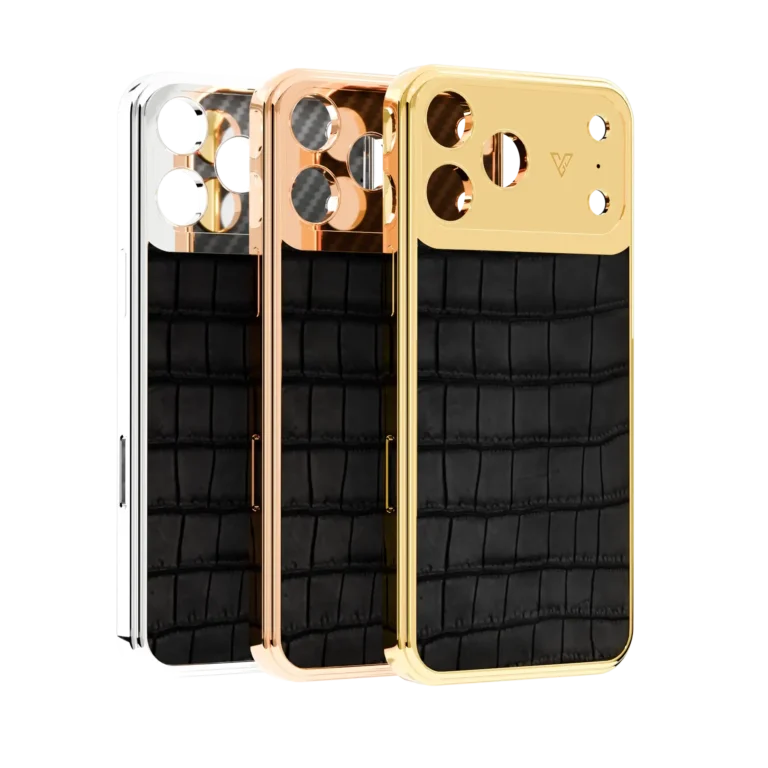
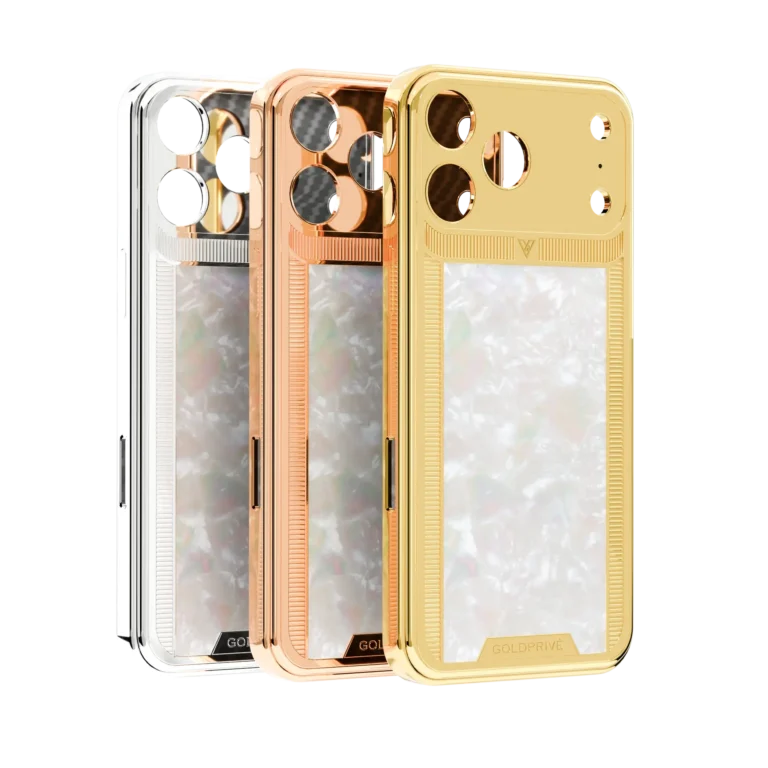
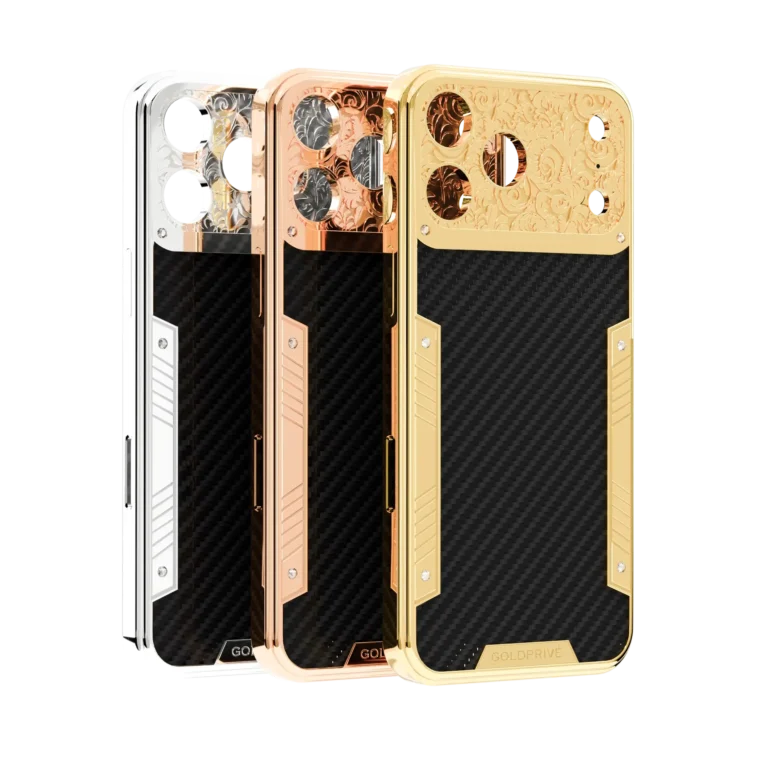
Leronza’s entire finish catalogue, confirmed directly against the product data, is exactly three options — there’s no separate “white gold” listing, which is worth knowing because platinum is what fills that role here.
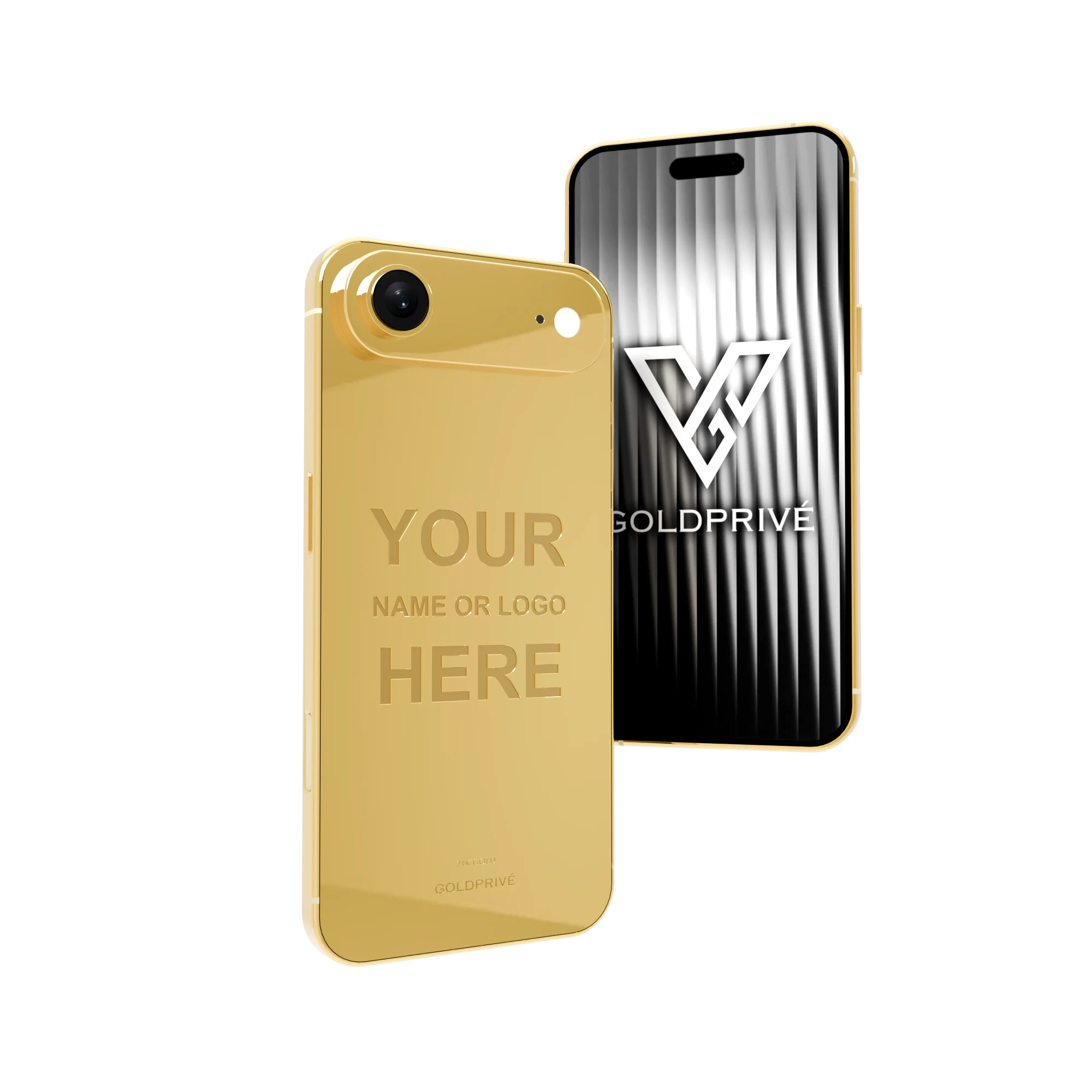
24K Gold
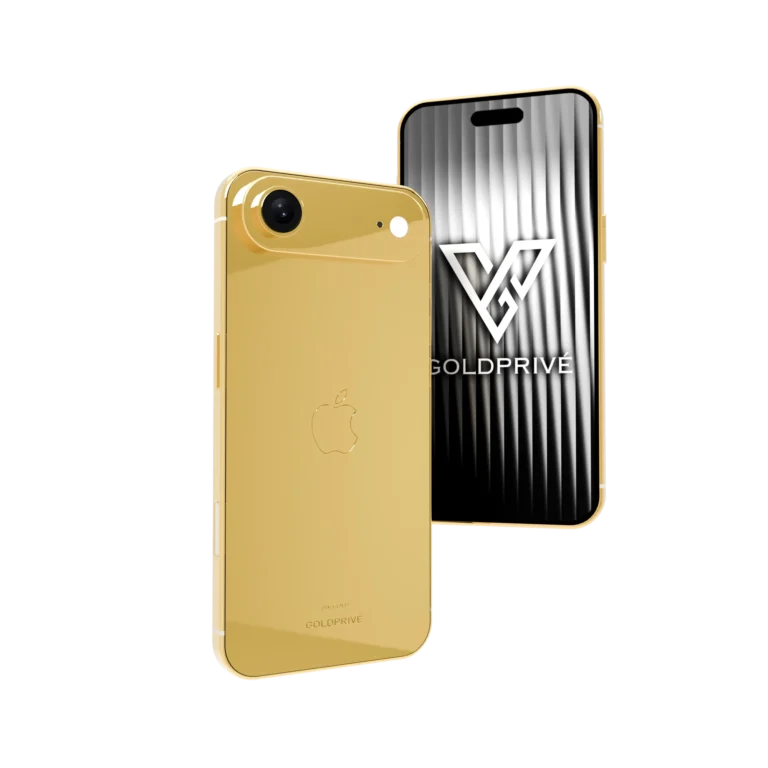
The warm, unmistakably yellow finish. The most-commissioned option and the reference point every other finish gets compared to.
Platinum
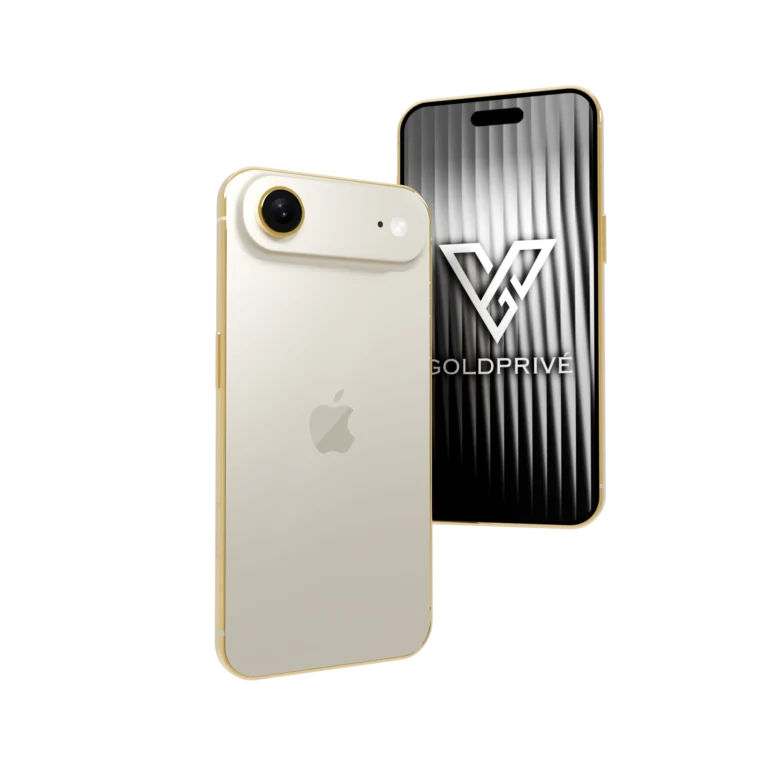
A cool, silvery-white finish. The only non-gold-toned option in the collection, closer in appearance to steel or white gold than to yellow gold.
Rose Gold
A warm pink-gold tone, covered in depth in the dedicated Rose Gold guide.
What “Platinum Finish” Actually Means on a Phone
This is the part worth being precise about, because jewelry marketing and phone-plating marketing borrow the same vocabulary while describing very different things. In fine jewelry, a platinum ring is typically solid platinum or a high-percentage platinum alloy — the metal you’re touching is the metal that gives it its properties. On a plated phone, the “platinum finish” is a plating layer measured in microns, applied over the device’s original aluminum or titanium chassis, exactly as described for gold in the electroplating science guide.
That distinction matters because several of platinum’s famous jewelry-grade properties — its density, its resistance to scratching in solid form, its long-term wear characteristics in rings worn daily for decades — are properties of bulk platinum. A few microns of plated platinum over an aluminum shell doesn’t inherit all of those properties the way a solid platinum ring does. What does carry over faithfully is the color and the visual character: platinum plating gives you platinum’s genuine white-metal appearance, which no amount of gold plating can replicate.
The honest framing: choose platinum for the look, not for a durability upgrade over gold plating. Leronza’s care requirements and warranty terms treat all three finishes identically — same handling rules, same protective foil requirement, same soft-case-only guidance from the care guide, and the same warranty coverage detailed in the order & warranty guide.
Real Platinum vs. Real Gold: What the Material Science Actually Says
Setting the plating question aside for a moment, it’s worth understanding what makes platinum genuinely different from gold as a material, since that’s where the finish’s appeal actually comes from:
Density: platinum is denser than gold — roughly 21.4 g/cm³ versus gold’s 19.3 g/cm³. In solid jewelry this gives platinum pieces a distinctly heavier, more substantial feel for the same size. In a plated finish measured in microns, this density difference has no perceptible effect on the phone’s weight.
Color and reactivity: gold’s warm yellow color comes from its specific electron structure, and it doesn’t tarnish or oxidize in normal conditions. Platinum is naturally white-silver and is also highly resistant to tarnish and oxidation — both are noble metals for this reason, which is exactly why both hold up as plating finishes without discoloring over time the way a base metal would.
Rarity: platinum is genuinely rarer than gold in the earth’s crust and is more difficult to refine, which is part of why platinum jewelry has historically carried a premium over gold jewelry of equivalent design. That rarity premium doesn’t show up in Leronza’s pricing, because the cost driver for a plated device is the plating process and the base device, not bulk precious-metal weight the way it would be for a solid ring.
Confirmed: Platinum Costs the Same as Gold, Across the Board
Checked directly against live pricing across the collection, platinum carries no premium or discount versus 24K Gold on any design — here’s the comparison on a representative model:
| Finish | Price | Notes |
|---|---|---|
| 24K Gold | $1,690 | Reference price |
| Platinum | $1,690 | Identical price, same design |
| Rose Gold | $1,690 | Identical price, same design |
This holds across the catalogue: the material inlay choices covered in the iPhone 18 design guide move the price, but the finish choice among the three metals doesn’t. You can browse every model currently available in platinum directly via the platinum finish catalogue.
Who Actually Chooses Platinum
If your watch, jewelry, and accessories already run silver, white gold, or steel rather than yellow gold, platinum is the finish that actually matches, rather than clashing with everything else you wear.
Against most cases and in most lighting, a white-metal finish reads quieter than gold’s warm glow — a genuine option for buyers who want the craftsmanship without gold’s more overt visual signature.
Owners who already have a 24K Gold piece sometimes choose platinum for a second device specifically so the two don’t visually match — a practical reason that has nothing to do with which finish is “better.”
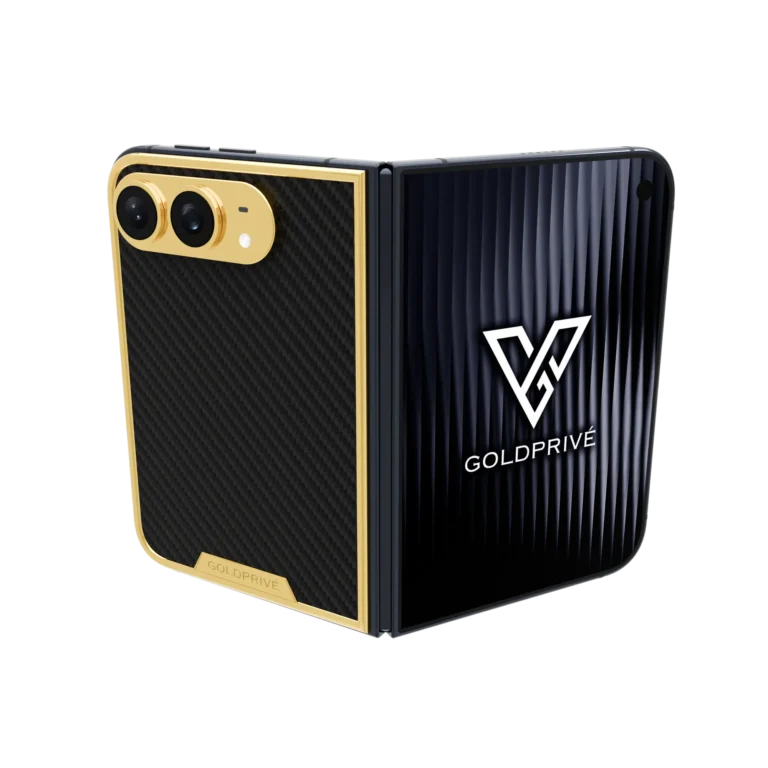
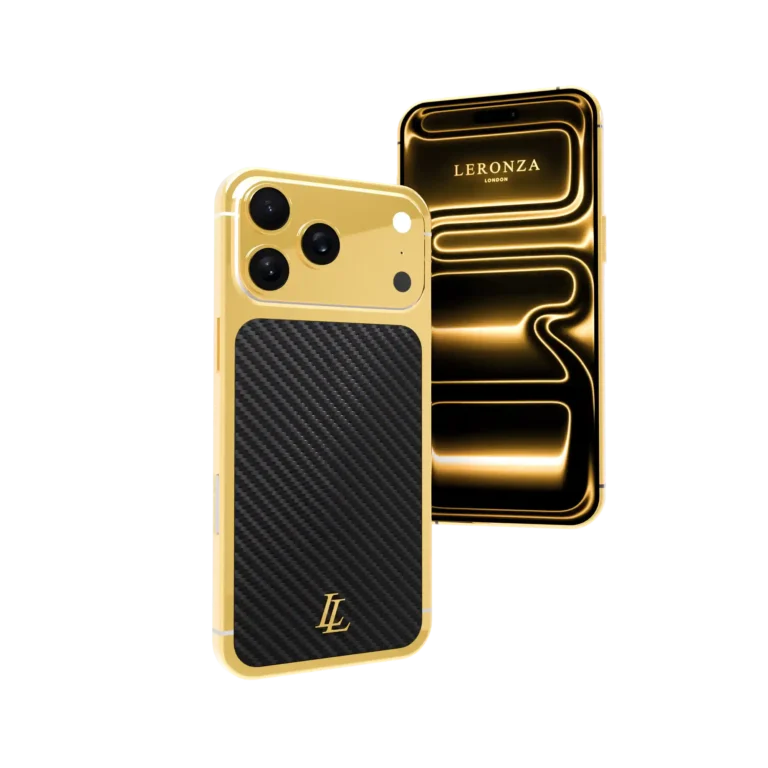
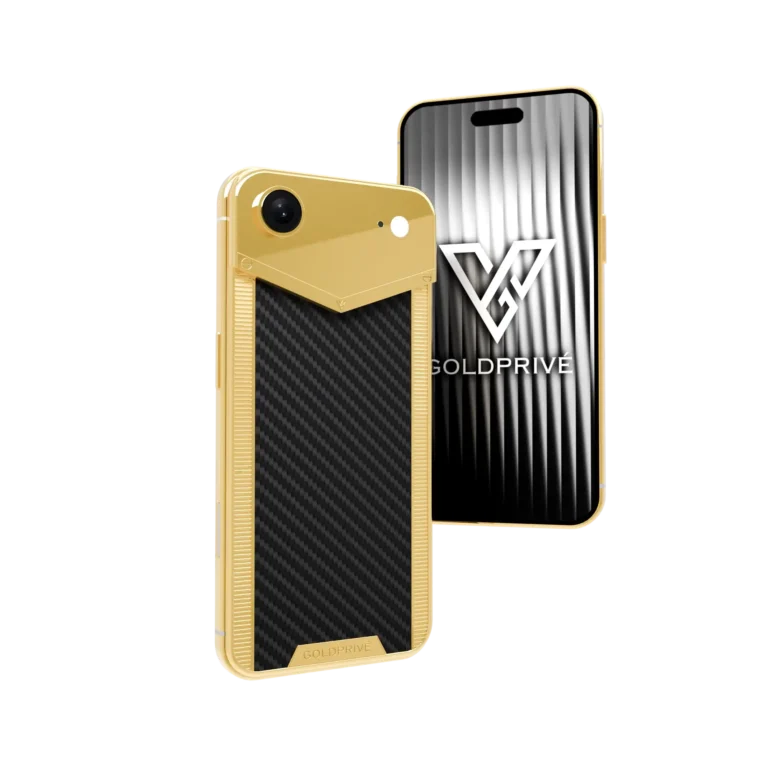
Platinum’s cooler, more industrial-reading tone pairs naturally with the same modern sensibility discussed for the CarbonFiber design in the iPhone 18 guide.
Platinum’s One Practical Trade-Off
There is a genuine, non-marketing reason platinum sees fewer orders than gold, and it’s worth stating plainly: gold’s warm tone is more forgiving of fingerprints, light surface marks, and everyday handling marks under most indoor lighting, simply because the color variation is less visually obvious against a warm yellow surface. A lighter, cooler-toned finish tends to show smudges and fine handling marks a little more readily under bright or direct light, the same optical effect that makes white and silver phone cases generally show more visible wear than gold-toned ones. This isn’t a durability difference — the plating itself holds up identically per the warranty terms — it’s a purely visual one, and it’s the main practical reason to actually weigh before ordering, rather than any invented claim about one finish outlasting another.
Platinum on Material-Inlay Designs
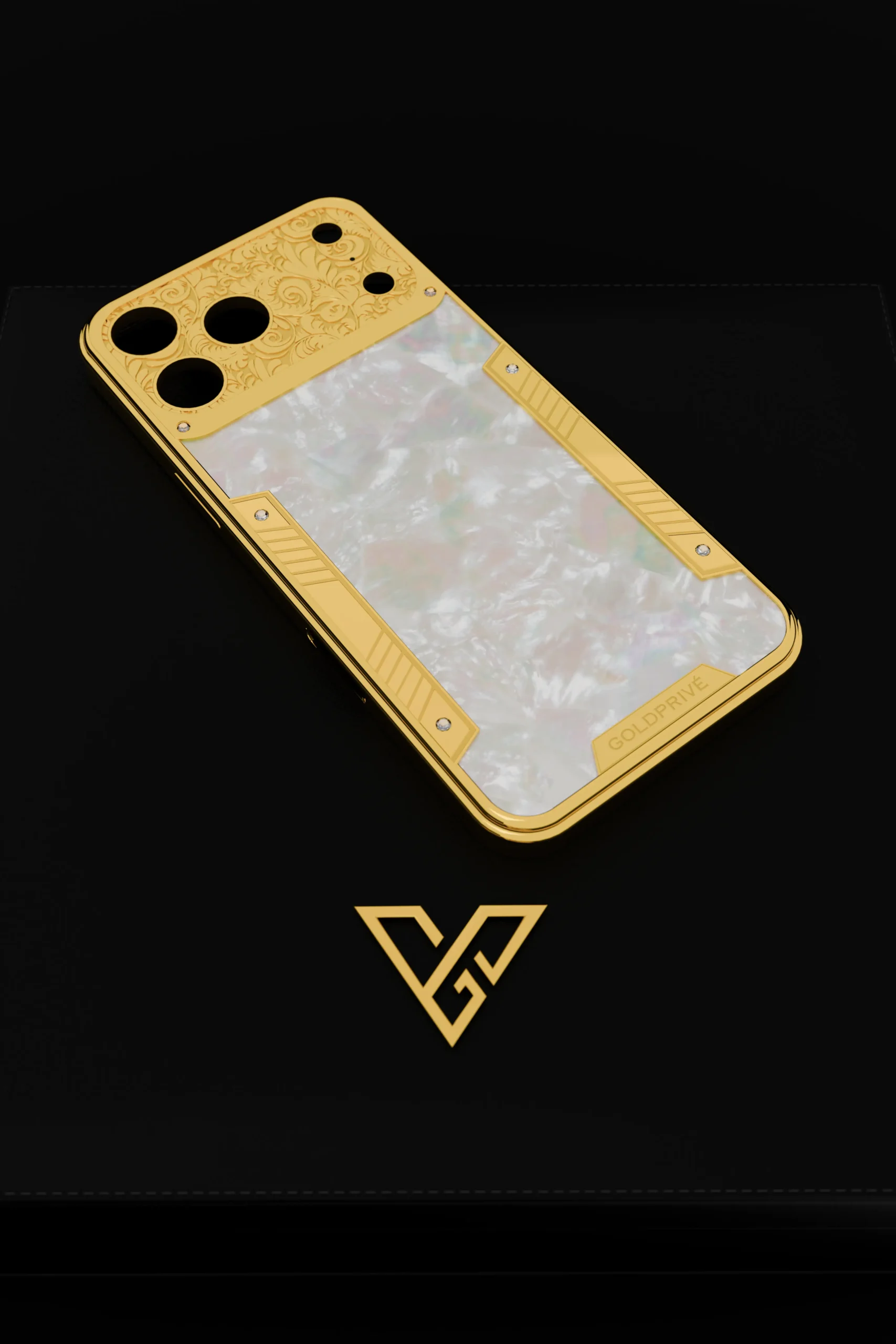
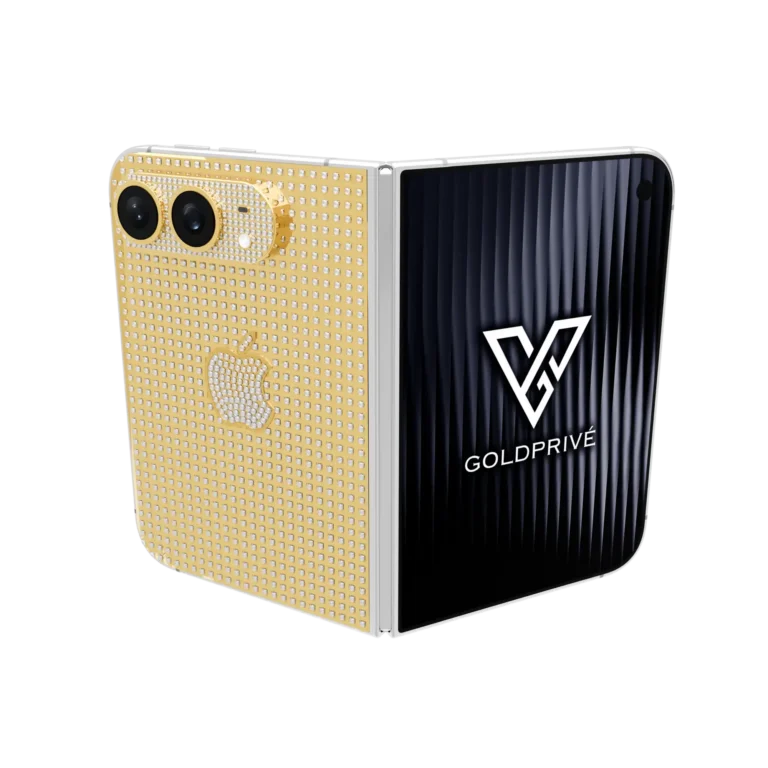
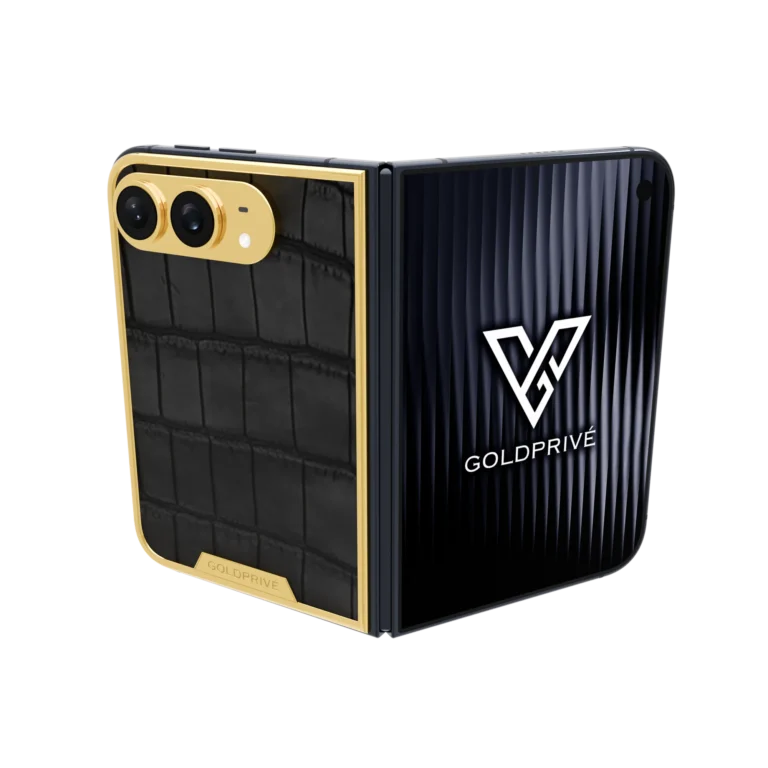
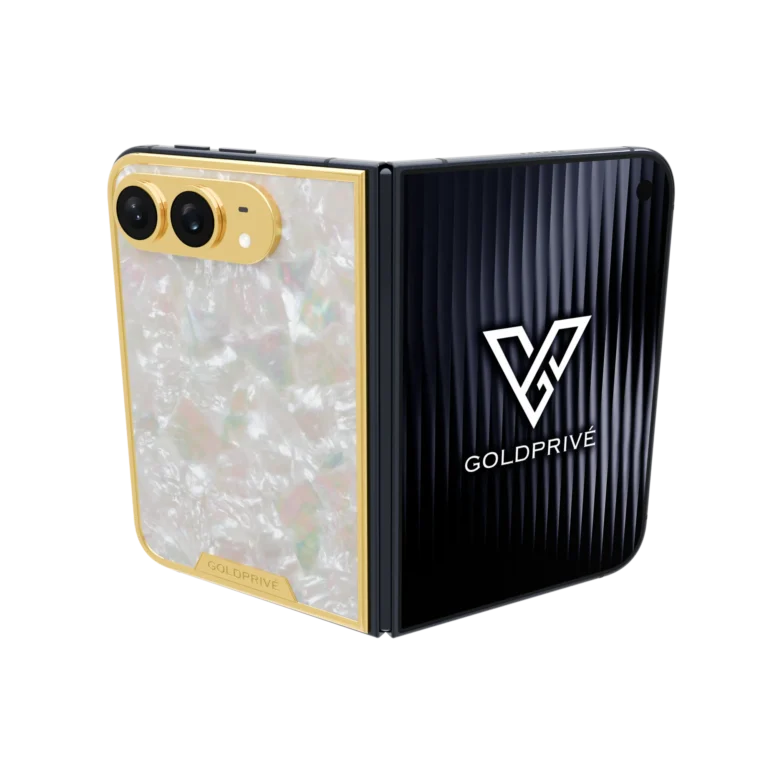
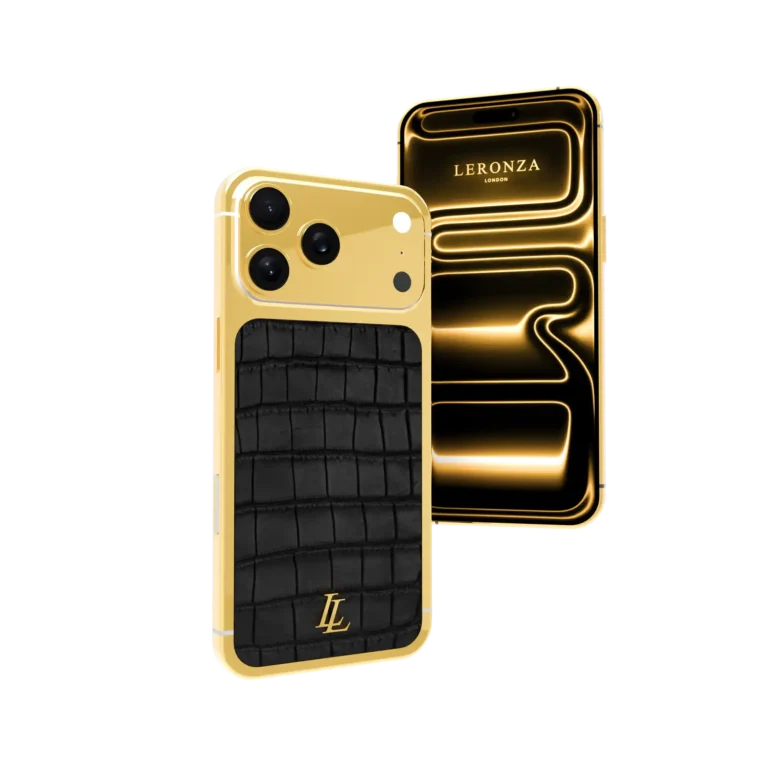
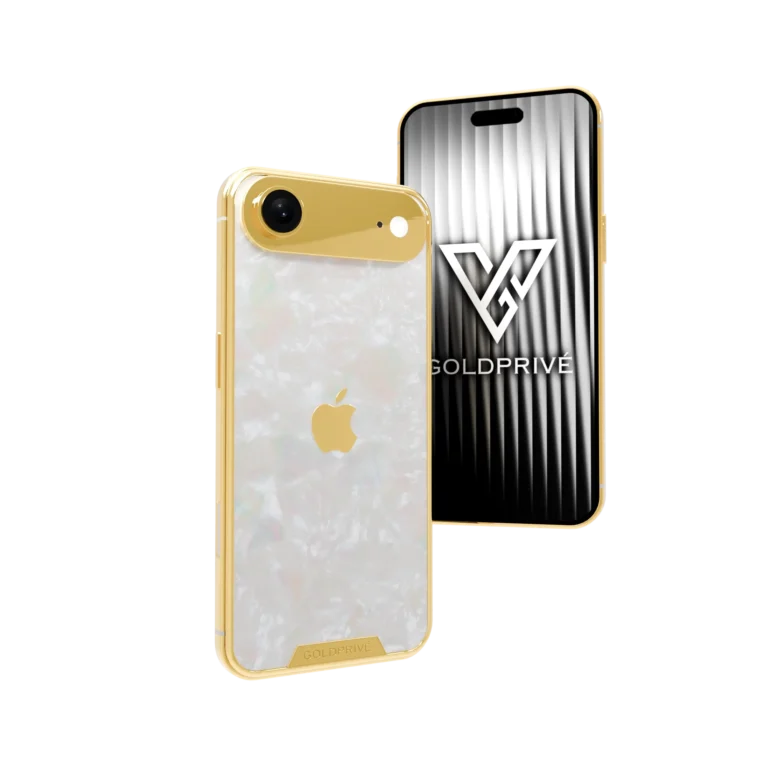
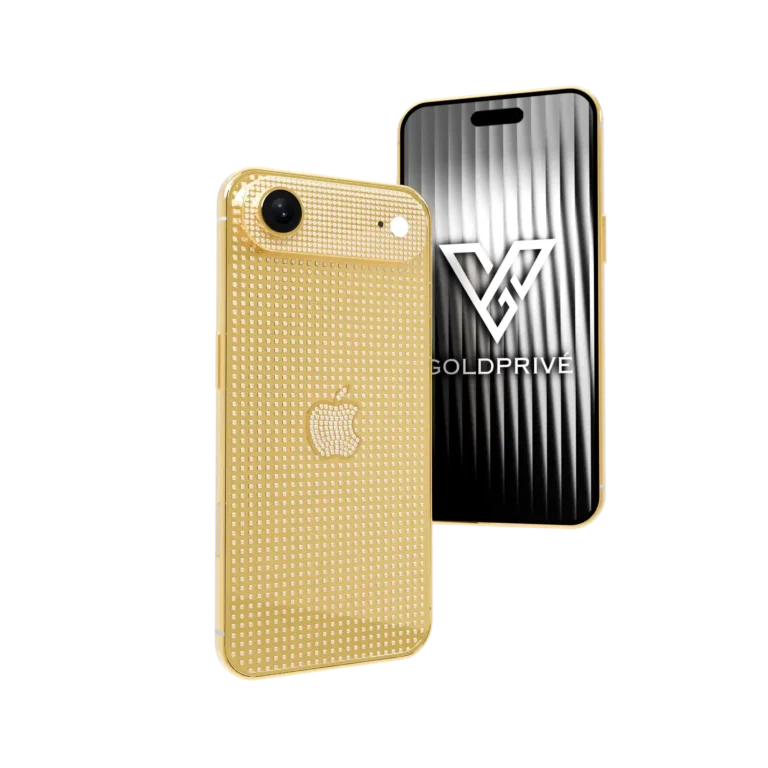
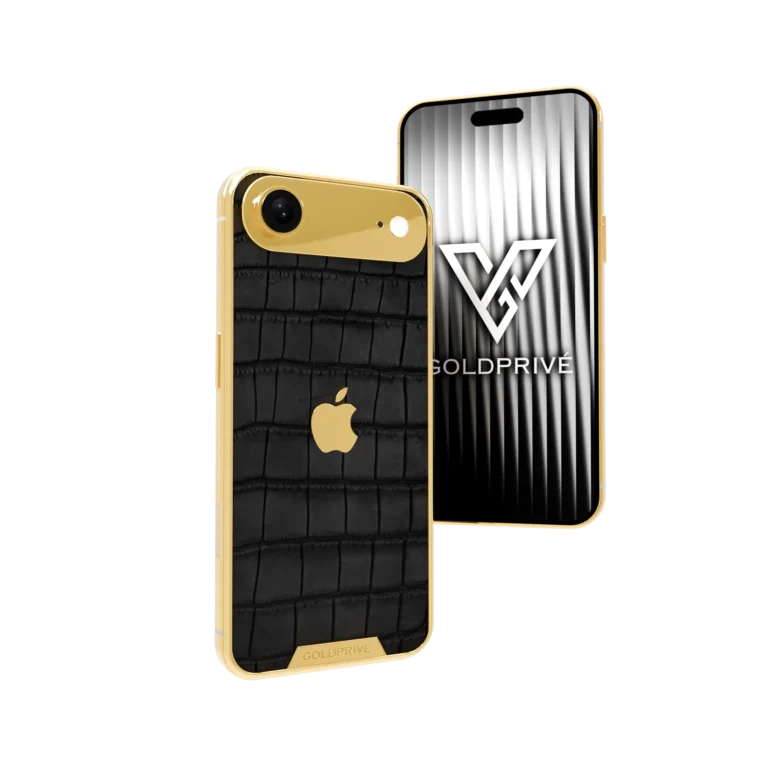
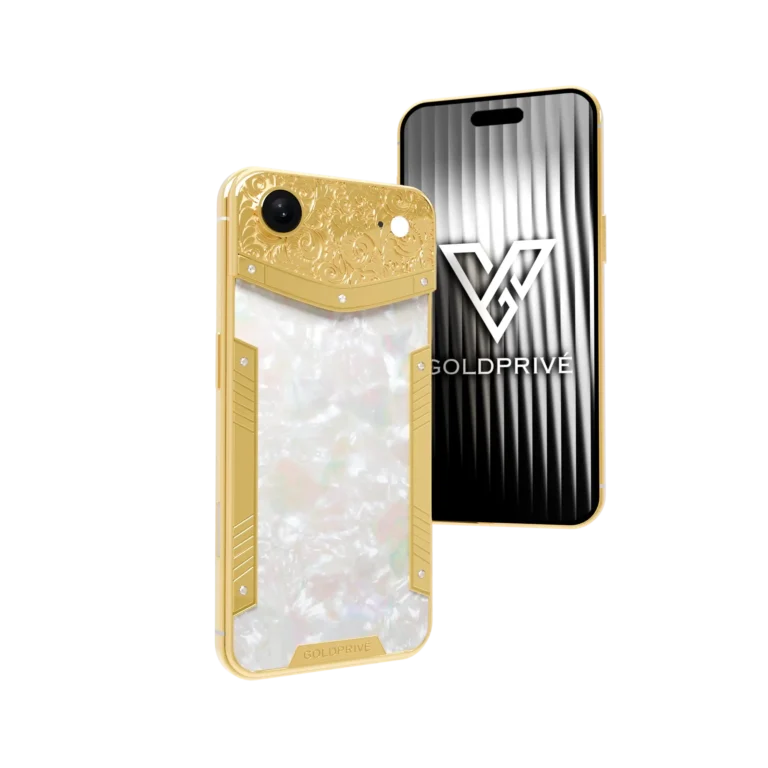
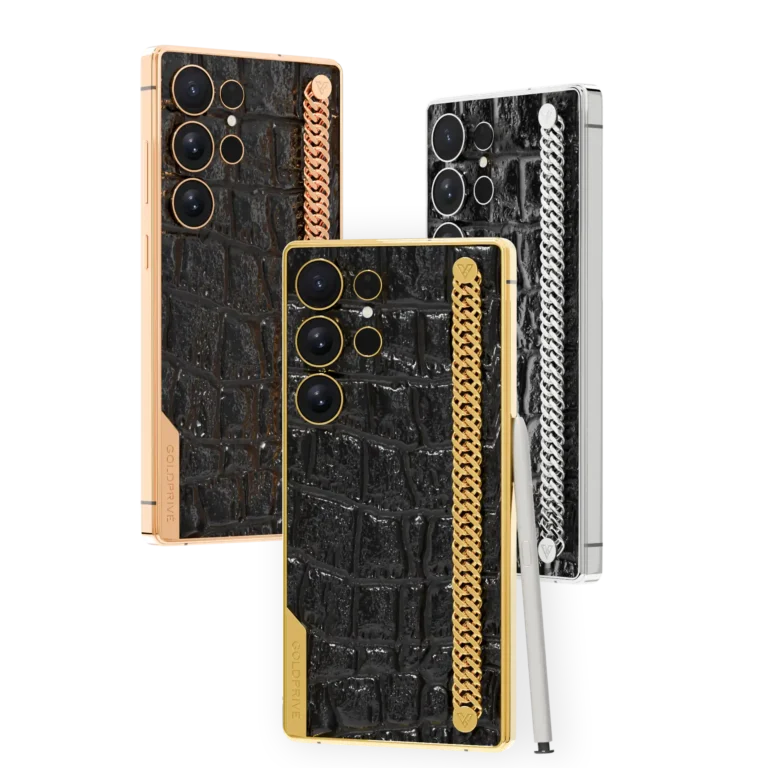
The finish choice interacts with the material-inlay designs covered in the iPhone 18 design guide in a way worth thinking through before ordering. On Iconix, where the backplate centers on a simulated-diamond logo detail, a platinum finish reads closer to how diamonds are traditionally set in fine jewelry — white metal is the conventional pairing for diamond-set pieces, so platinum plus the diamond detail is arguably the more classically “correct” combination than gold plus diamonds, even though gold-and-diamond pairings have their own strong following in luxury tech specifically. On Majesty, the mother-of-pearl inlay’s naturally cool, iridescent tones sit comfortably against platinum’s white background, arguably more so than against gold’s warmer cast, which can compete with mother-of-pearl’s own subtle color shifts rather than complementing them. On WildGrace and CarbonFiber, the finish choice matters less, since leather and carbon fiber already read as materially distinct regardless of which metal surrounds them.
None of this makes platinum objectively “better” on any specific design — it’s a genuine aesthetic judgment call, and plenty of buyers order Iconix in gold specifically because the warm-metal-plus-diamond look is a deliberate, maximalist statement rather than a jewelry-convention one. But it’s a consideration worth being aware of before defaulting to gold simply because it’s the most-ordered finish.
Related reading
Electroplating vs. Gold Leaf
iPhone 18 Design Guide
Care & Maintenance Guide
Gold, Platinum & Diamonds: The Symbolic Case
Platinum Finish: Common Questions
Does platinum cost more than gold on a GoldPrivé device?
No. Checked directly against live pricing, platinum carries an identical price to 24K Gold and Rose Gold on every design in the collection.
Is the platinum finish solid platinum or plated?
It’s a plated finish, applied in microns over the device’s original chassis, the same plating process used for the gold and rose gold finishes.
Does platinum plating last longer than gold plating?
No. All three finishes share identical care requirements and warranty coverage — platinum’s appeal is its color, not extra durability over gold plating.
Is platinum the same as white gold?
Leronza doesn’t offer a separate white gold finish, so platinum is effectively the collection’s only white-metal option. In fine jewelry generally, platinum and white gold are different metals with different properties, but visually both read as a cool, silvery white.
Does platinum show fingerprints or scratches more than gold?
Lighter, cooler-toned finishes tend to show smudges and fine surface marks more visibly under bright light than gold’s warmer tone does, though the underlying plating durability is identical across finishes.
Can I order any design in platinum?
Platinum is available across the current finish options catalogue-wide; check the specific design’s product page to confirm availability for that model.
Why is platinum rarer to see chosen than gold, if it’s the same price?
It largely comes down to visual preference — gold’s warm tone is the more traditional, expected look for luxury tech, and most buyers gravitate to what reads as immediately recognizable as gold plating.
Three finishes, identical pricing, and one genuine trade-off worth knowing before you choose: platinum gives you the only white-metal option in the collection, at no premium, with the same craftsmanship and coverage as gold — the decision comes down entirely to which tone actually matches how you want the piece to read.
Curious how platinum looks on your design of choice?