Blog
How to Care for a 24K Gold iPhone: A Real Maintenance Guide

Most gold plating damage isn’t from the layer being too thin. It’s from ordinary daily habits nobody thinks to connect to their phone — the same sunscreen, chlorine, and perfume that jewellers have been warning ring and watch owners about for decades apply just as directly to a gold-plated case.
This is the maintenance guide most gold iPhone buyers never get, written around what actually causes wear rather than generic “handle with care” advice.
What Actually Damages Gold Plating
Four everyday exposures account for most of the wear a plated finish sees over its life. None of them are exotic, and all of them are avoidable once you know to watch for them.
Chlorine
Pool and heavily treated tap water reacts aggressively with gold plating, attacking the bond between the gold layer and the metal beneath rather than causing a slow, even fade.
Perfume & cosmetics
Fragrance, sunscreen, and lotion contain solvents and acids that can undermine adhesion and dull the finish with repeated direct contact.
Sweat
Mildly acidic and carrying salts, prolonged sweat contact — think a hot pocket on a summer day — leaves a film that dulls shine over time.
Household chemicals
Bleach, ammonia, and other harsh cleaning agents can erode precious metal finishes on contact, even briefly.
A significant share of Leronza’s clients live in Dubai and the wider Gulf, where heat, pool culture, and sun exposure are daily realities rather than occasional ones. That combination — more sweat, more sunscreen, more time near chlorinated water — means gold-plated devices in this climate face a genuinely higher exposure load than the same device would in a cooler, drier market.
None of this means a plated finish can’t handle Gulf conditions. It means the daily habits below matter more here than they would somewhere temperate, not less.
A Daily Care Routine That Actually Works
A soft, dry microfiber cloth at the end of the day removes the accumulated skin oils and residue that would otherwise sit against the finish overnight.
Give cosmetic products a few minutes to fully absorb or dry on your skin before picking the phone up, rather than handling it immediately after application.
Chlorinated and heavily treated water is the single most aggressive everyday threat to plating — treat the device the way you’d treat a fine watch you wouldn’t swim in.
Loose in a bag alongside keys or coins invites surface scratching that has nothing to do with the plating’s chemical durability and everything to do with simple contact.
Removing it prematurely “just to look” typically starts the customizer’s warranty clock earlier than necessary.
Skip These, Even If They’re Marketed for “Gold”
- Polishing cloths or compounds designed for solid gold jewellery — these can be too abrasive for a thin plated layer.
- Ultrasonic cleaners, which are standard for solid jewellery but can stress a plated bond.
- Alcohol-based phone-cleaning wipes, which are fine for glass screens but not formulated for precious-metal surfaces.
- Any household chemical cleaner, regardless of how diluted — there is no safe shortcut here.
How Wear Actually Progresses, So You Know What to Watch For
Plating wear doesn’t jump straight from perfect to damaged — it moves through recognizable stages, and knowing them helps you catch problems early rather than only noticing once they’re advanced.
Early stage: a slight loss of shine or a faint dulling, usually first noticeable at the corners and edges where the phone contacts pockets, tables, and hands most often. This is the point where a proper cleaning routine and reduced chemical exposure can genuinely arrest further wear.
Mid stage: thin patches become visible under close inspection or in strong light, typically concentrated at the same high-contact points. This is the point to start planning a professional assessment rather than waiting.
Advanced stage: the base metal beneath the plating becomes visible, usually as a colour shift at the worn area. At this point, home care can’t reverse the damage — only professional re-plating can restore the finish.
Catching wear at the early stage, rather than the advanced one, is almost entirely a function of routine handling habits, not luck.
Travel & Storage: The Overlooked Risk Category
A surprising amount of plating wear happens during travel rather than daily use, and it’s rarely on anyone’s checklist. Airport security trays get tossed onto conveyor belts alongside keys, coins, and other passengers’ devices. Hotel safes and drawers often aren’t lined with anything soft. Temperature swings between air-conditioned interiors and outdoor heat — a real factor for anyone travelling in and out of the Gulf — don’t damage plating directly, but they do increase condensation risk if a device goes from a cold car into humid outdoor air.
A simple soft pouch or dedicated compartment, used specifically for security trays and hotel storage rather than tossing the device in with other items, removes most of this risk without any real inconvenience.
If the Finish Already Shows Wear
Light surface dulling usually responds well to a proper soft-cloth clean and a break from whatever exposure caused it — give the finish a chance to be handled gently for a few weeks before assuming the worst.
Visible thinning, discoloration at high-contact points like the edges, or exposed base metal is a different matter and isn’t something to address with home remedies. This is exactly the situation GoldPrivé’s gold plating services exist for — professional assessment and, where appropriate, re-plating rather than guesswork.
Does the Finish You Chose Change Any of This?
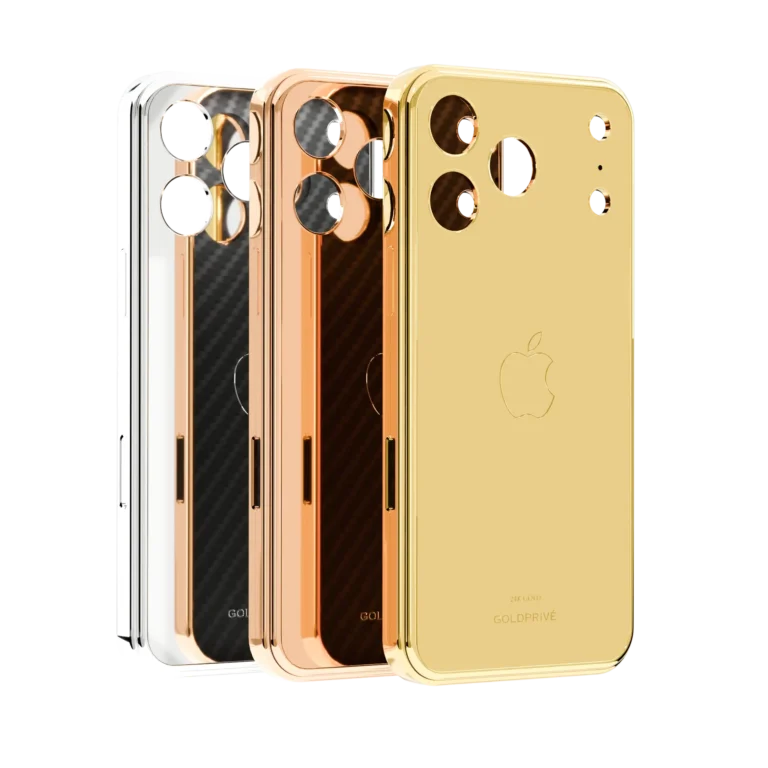
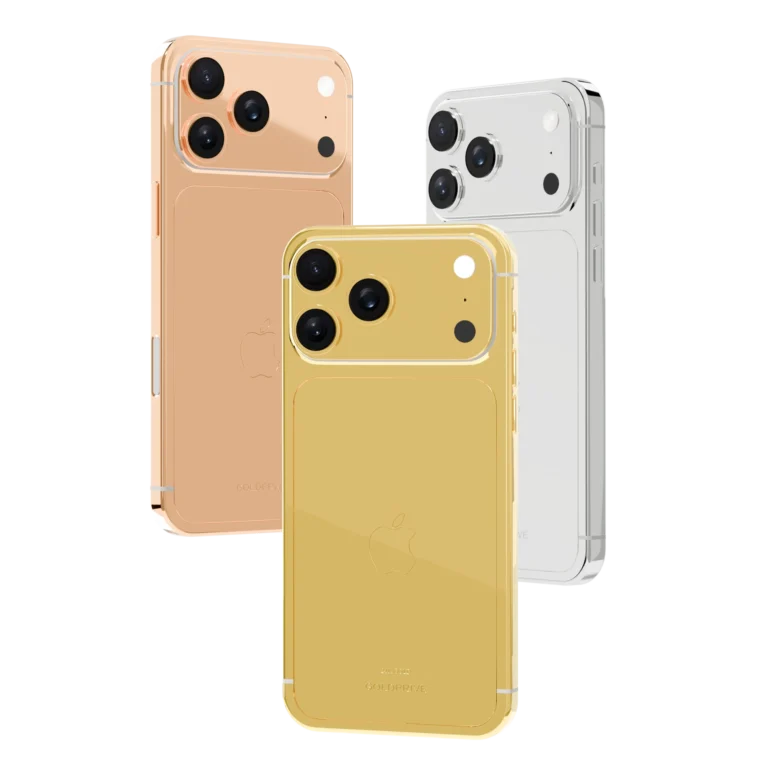
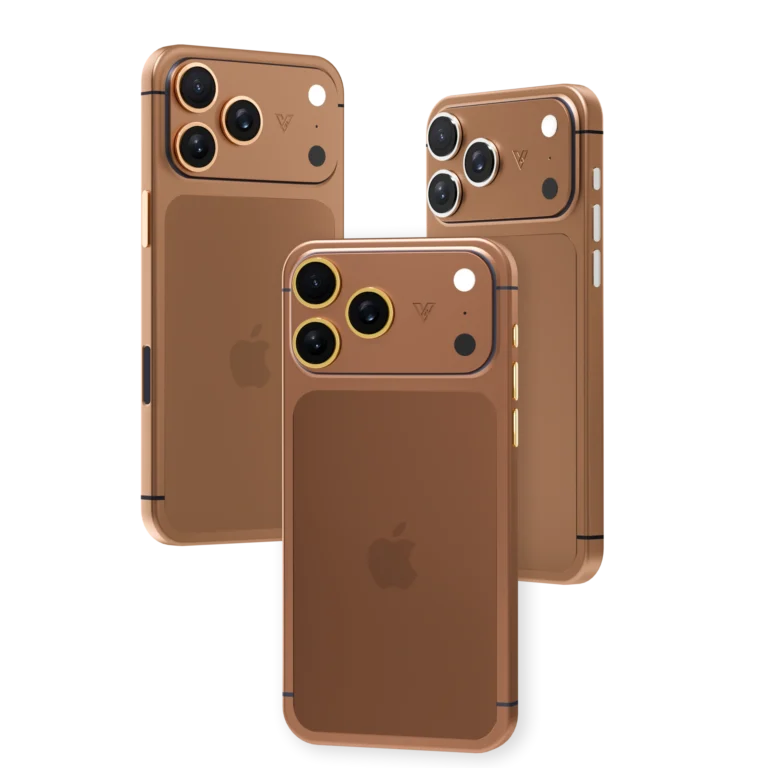
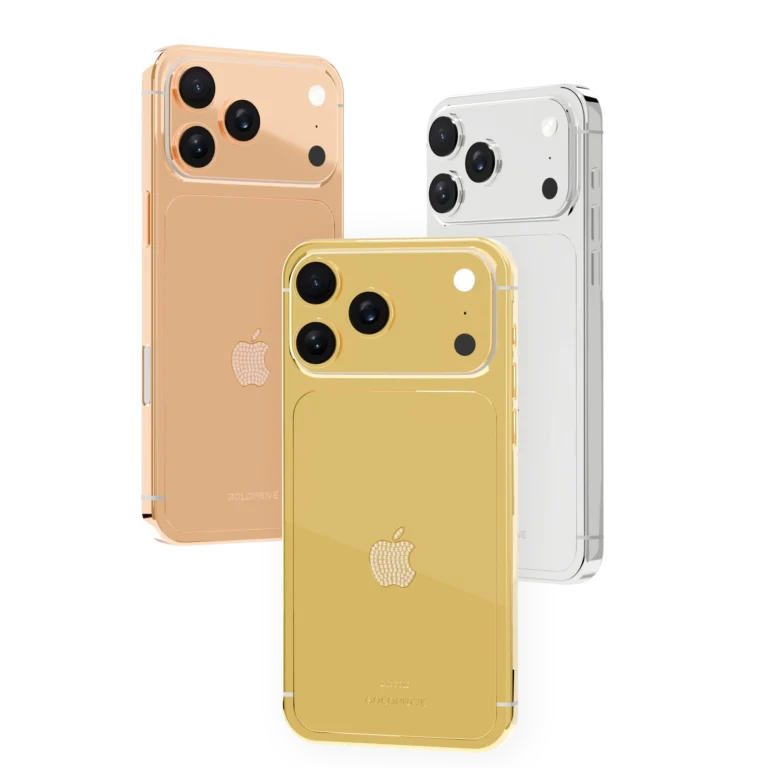
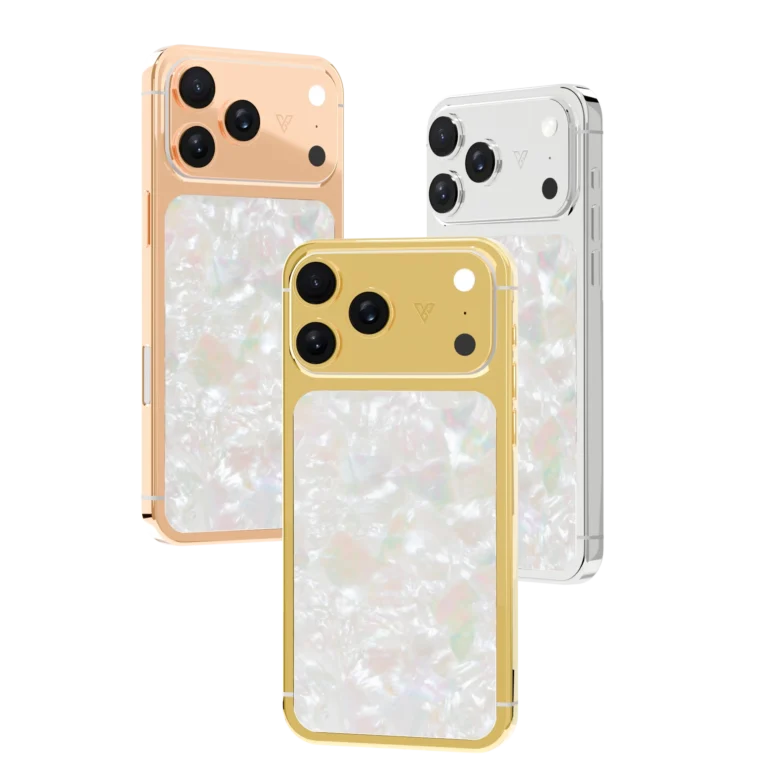
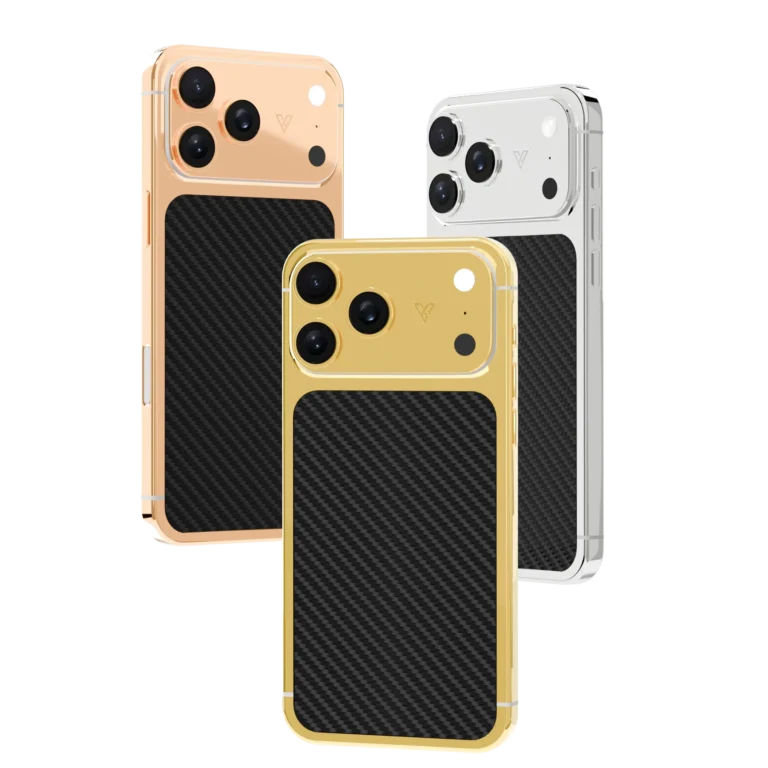
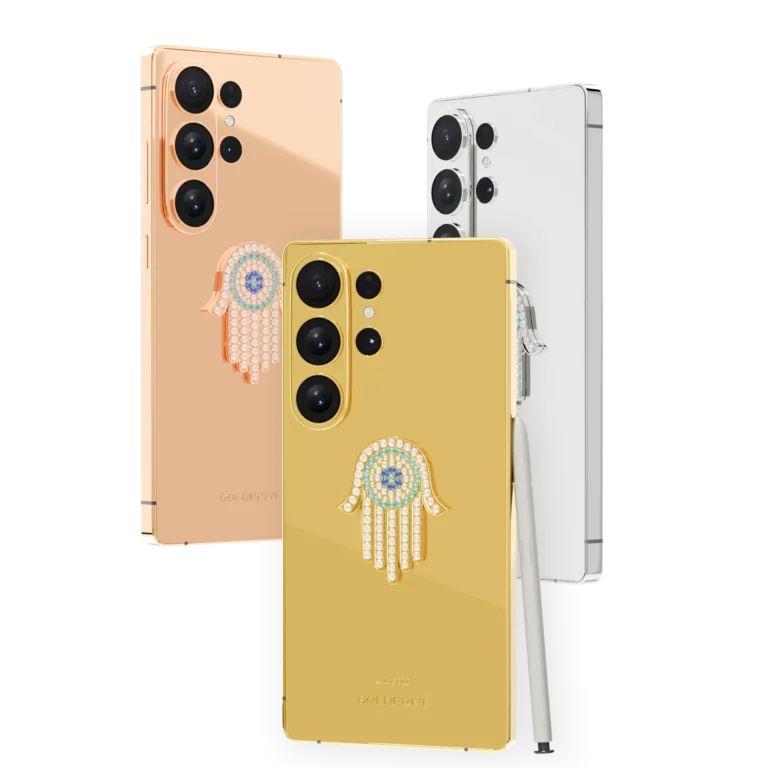
Not meaningfully. The care routine above applies whether you chose 24K Gold, Rose Gold, or Platinum — all three are applied at the same thickness and share the same vulnerabilities, a point covered from the durability angle in the 24K Gold iPhone review and from the construction angle in solid gold vs. gold-plated: what’s the real difference. What changes slightly is how visible wear is: lighter finishes can show contrast against a worn edge sooner than darker ones, but the underlying chemistry of what damages the layer stays identical.
Related reading
Care Questions Worth Asking
Can I shower or swim while wearing a gold-plated phone in a waterproof case?
Even a waterproof case doesn’t fully eliminate risk from chlorinated water contact on external surfaces, and a customized phone is no longer water resistant regardless. It’s safest to remove the device entirely.
Is it safe to use hand sanitizer near a gold-plated phone?
Alcohol-based sanitizers are generally lower risk than chlorine or harsh chemicals, but it’s still best to let hands dry fully before handling the device to avoid repeated direct contact.
How often should I professionally inspect the finish?
There’s no fixed schedule, but a periodic check-in through GoldPrivé’s gold plating services is worthwhile for devices used daily over several years, especially if you’ve noticed any dulling at high-contact points.
Will a phone case protect the plating from all of this?
A case helps significantly against scratching and some chemical contact, but exposed areas like the frame or camera surround can still be affected, so case use reduces risk rather than eliminating it.
Does hot weather itself damage gold plating, separate from sweat?
Heat alone isn’t especially damaging to the plating itself; the practical risk in hot climates comes from the increased sweat, sunscreen, and pool exposure that tends to accompany it.
Can worn plating be restored, or does the device need to be replaced?
Worn plating can typically be professionally reassessed and re-plated rather than requiring a full replacement, which is precisely what GoldPrivé’s gold plating services are designed to handle.
Is it fine to clean the finish with just water and no soap?
Plain water is gentler than most soaps, but a dry microfiber cloth is generally preferable to any liquid cleaning method for day-to-day maintenance of a plated finish.
Does removing a phone case daily increase wear on the plating?
Frequent removal introduces more handling and friction than leaving a case in place, so minimizing how often the case comes off is a small but genuine way to reduce cumulative wear.
None of this is complicated once it’s laid out plainly: keep it away from chlorine, let cosmetics dry before contact, wipe it down daily, and treat anything beyond light dulling as a job for a professional rather than a home fix. The finish is genuinely durable — it just wasn’t designed to fight the same daily chemistry a fine watch has always had to avoid.
Not sure whether what you’re seeing is normal wear or something worth addressing?