Blog
What Luxury Lifestyle Actually Means Now

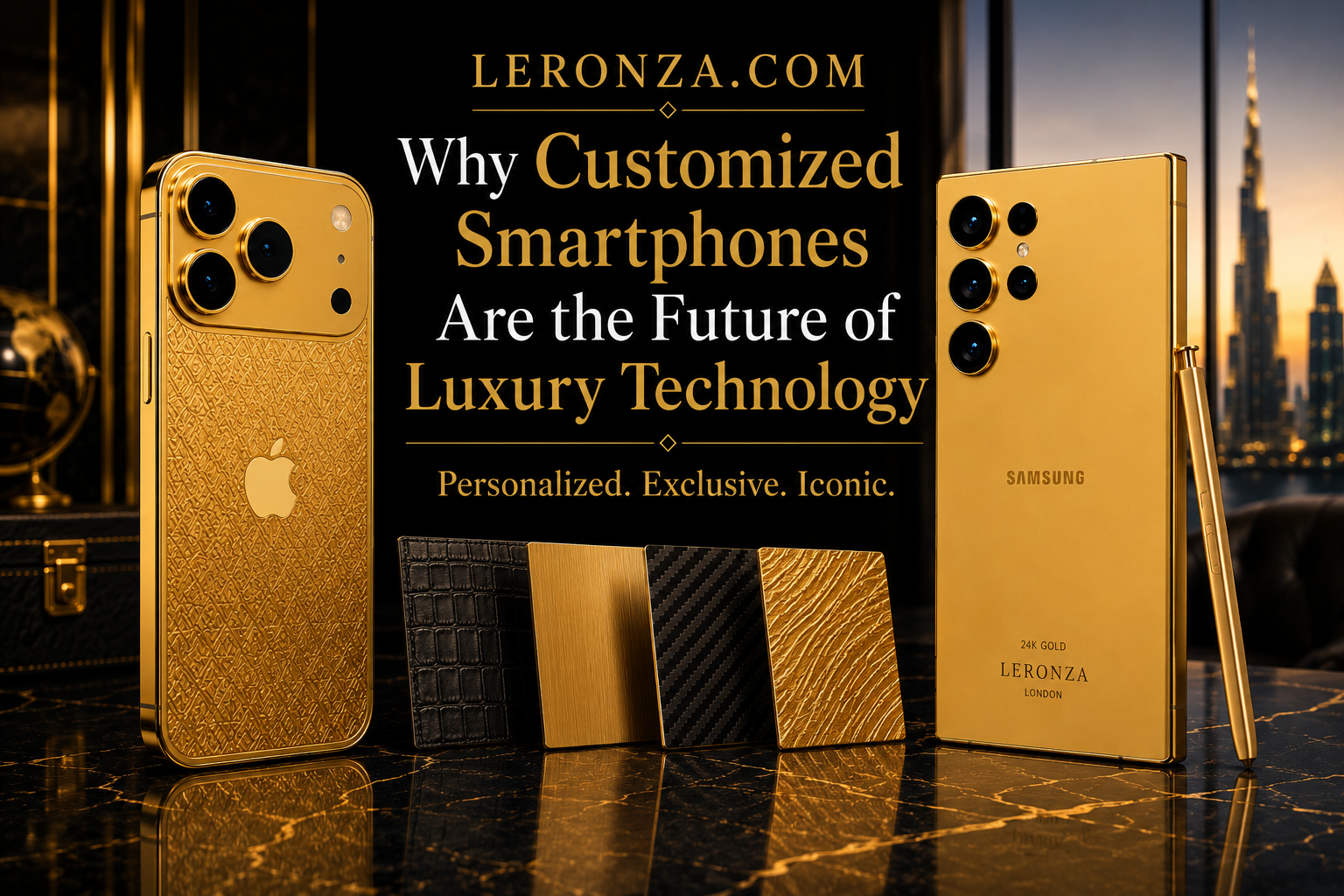
The personal luxury goods market shrank 2% in 2025. Immersive travel and dining bookings, meanwhile, grew 30% over the same period. Put those two numbers side by side and “luxury lifestyle” stops sounding like a lifestyle-magazine phrase and starts looking like a market that’s genuinely relocating — away from owning things, toward experiencing and commissioning them.
This isn’t speculation about vibes. It’s what Bain & Company and Altagamma’s 2026 luxury study actually measured.
Goods Are Down. Experience Is Up. Bespoke Sits in Between.
Bain and Altagamma’s figures paint a market in transition rather than decline: overall luxury spending reached €1,443 billion in 2025, with personal goods specifically contracting 2% while the broader luxury ecosystem — hospitality, dining, travel — expanded. Their 2026 forecast has personal luxury goods recovering modestly, up 2 to 4% to roughly €365–373 billion, but the underlying behavior shift is the real story: buyers increasingly separate what they spend on goods from what they spend on the feeling of the purchase itself.
| Where the Money’s Actually Moving | 2025–26 Signal |
|---|---|
| Personal luxury goods | −2% in 2025, forecast +2–4% in 2026 |
| Immersive experiences (dining, leisure) | +30% year over year |
| Secondhand consultation before new purchases | ~50% of luxury shoppers now check resale markets first |
| AI use during the purchase journey | ~50% of consumers already use it, most intend to continue |
“Meaning, Not Just Product”
Bain-Altagamma’s own lead partner on the study put the underlying shift plainly:
“Consumers are stepping forward into a new relationship…one defined by meaning, not just by product.”— Claudia D’Arpizio, Bain & Company
That reframing matters more than the percentages around it. A luxury purchase that’s just a product, however well-made, competes purely on craftsmanship and price. A purchase that carries meaning — a story, a process, a reason it exists in this specific form — competes on something harder to replicate. It’s the same logic explored from a different angle in why status symbols are changing: provenance and personal relevance increasingly outrank the label alone.
Where a Commissioned Piece Actually Sits
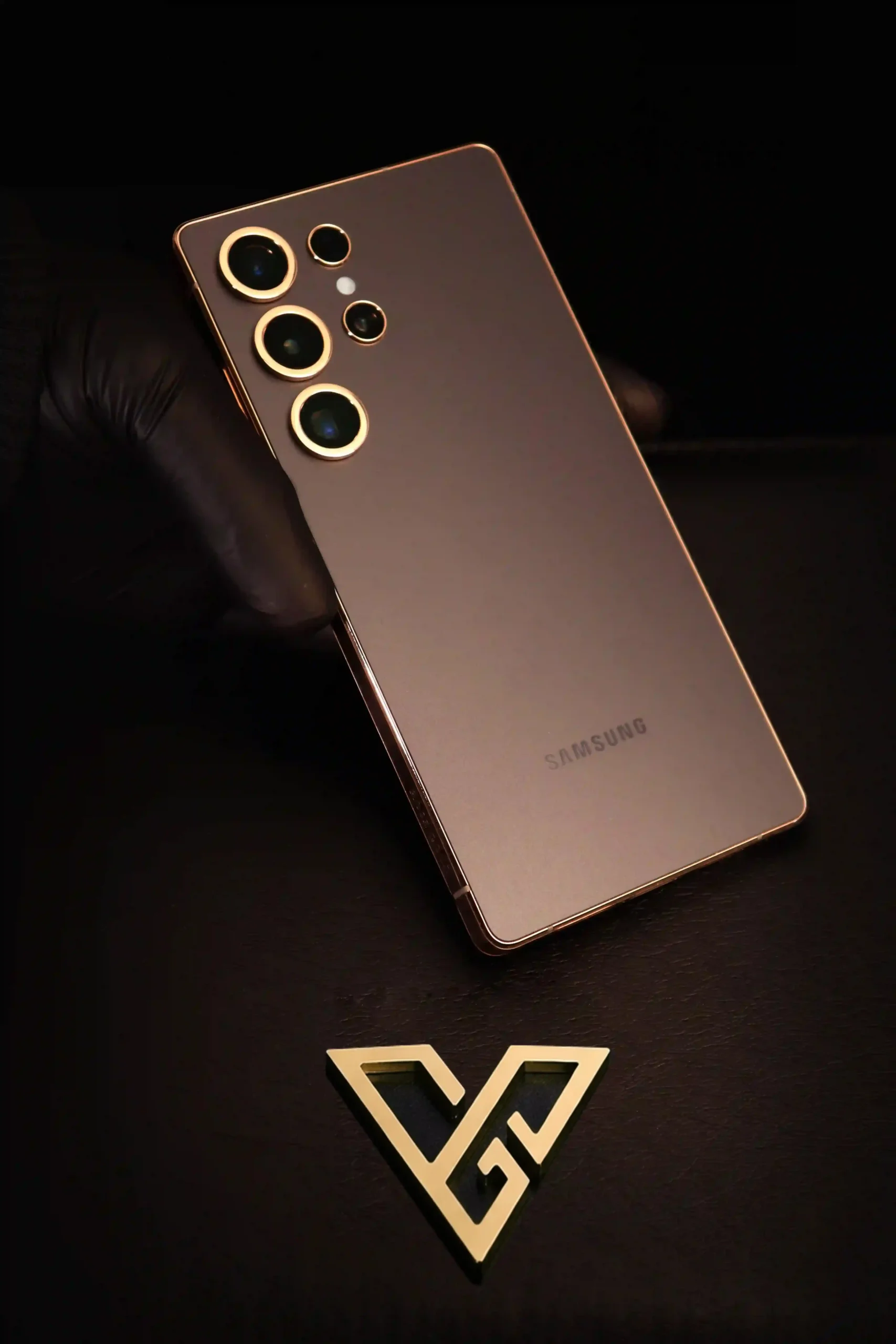
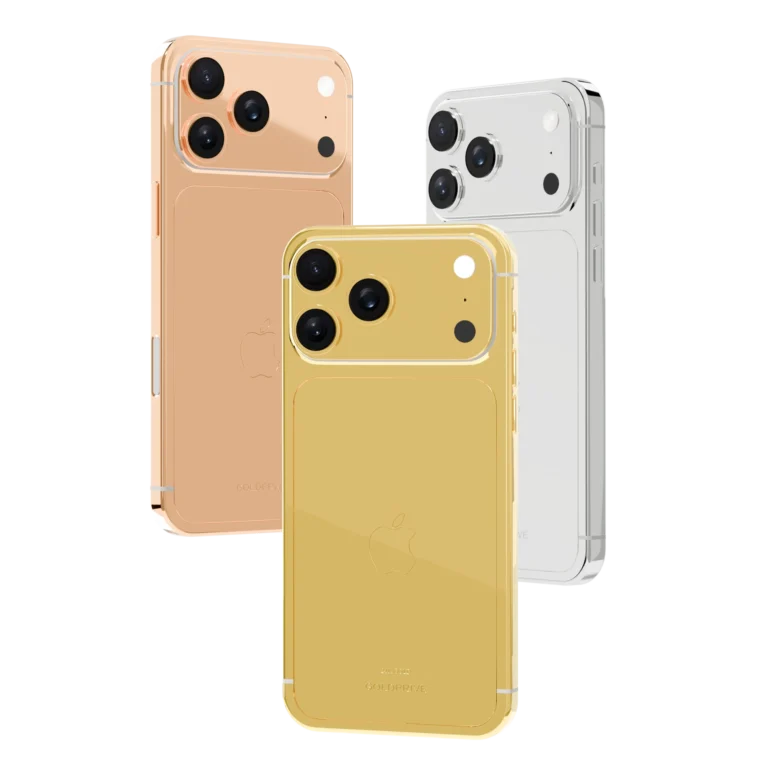
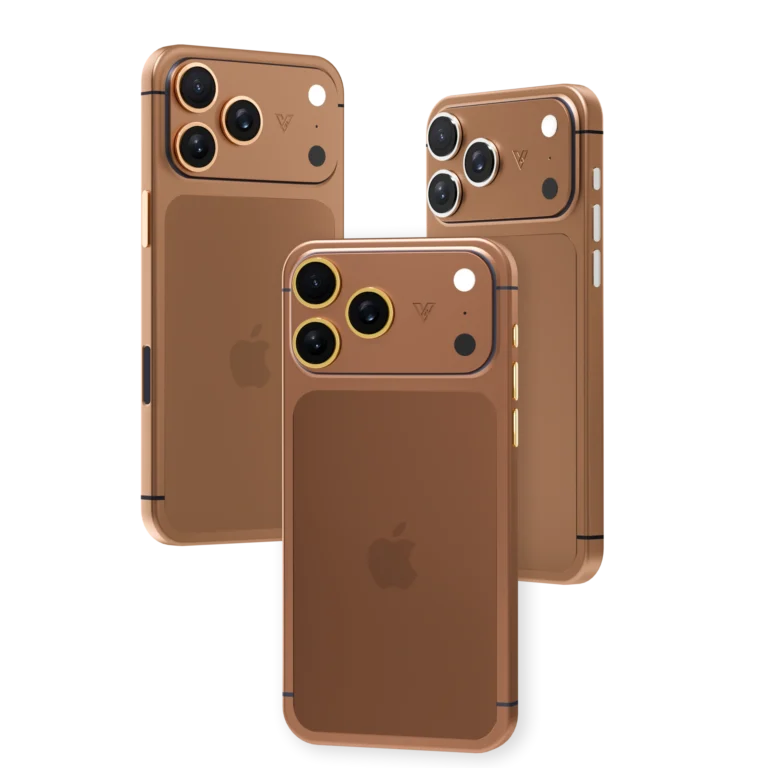
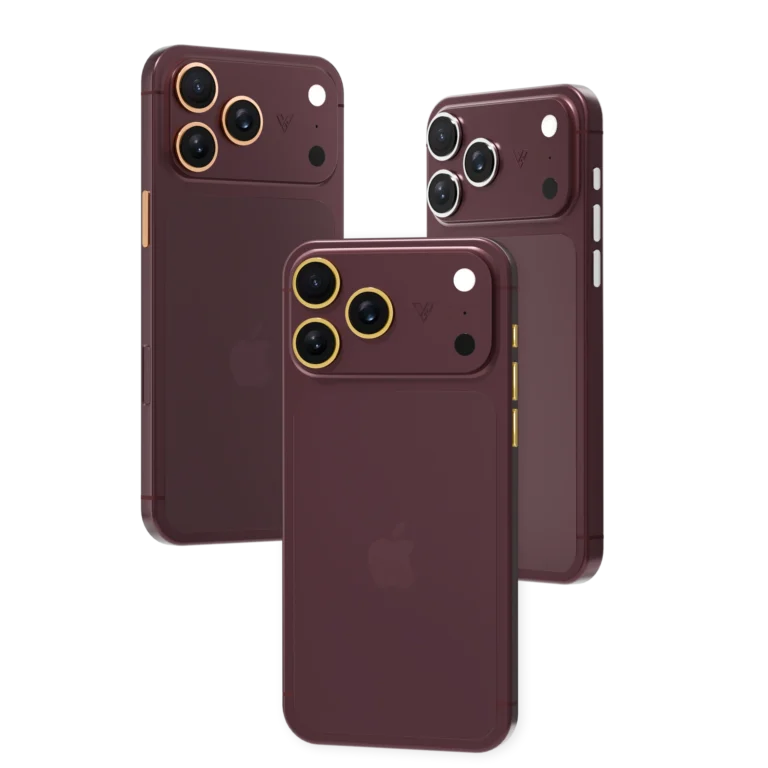
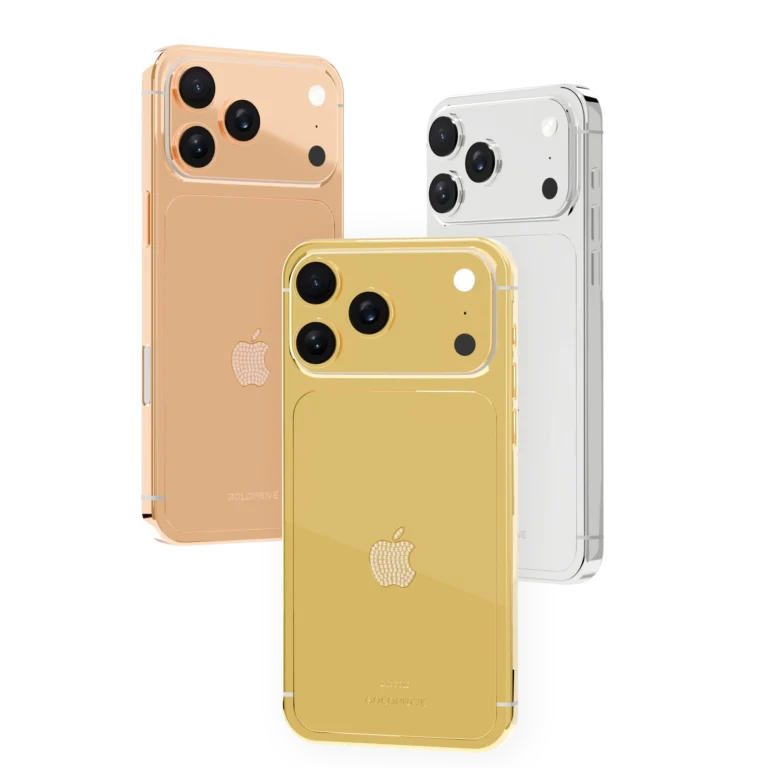
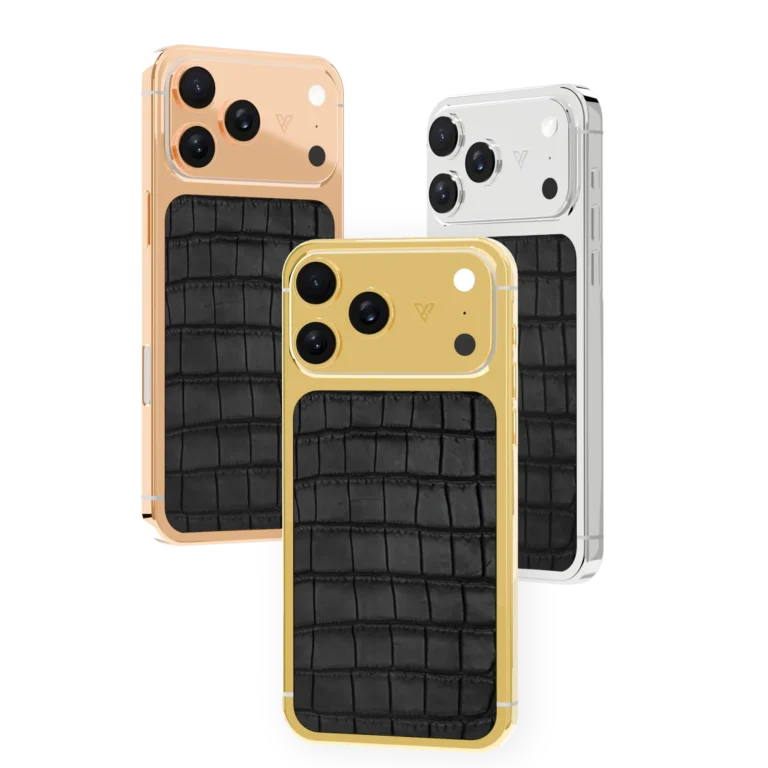
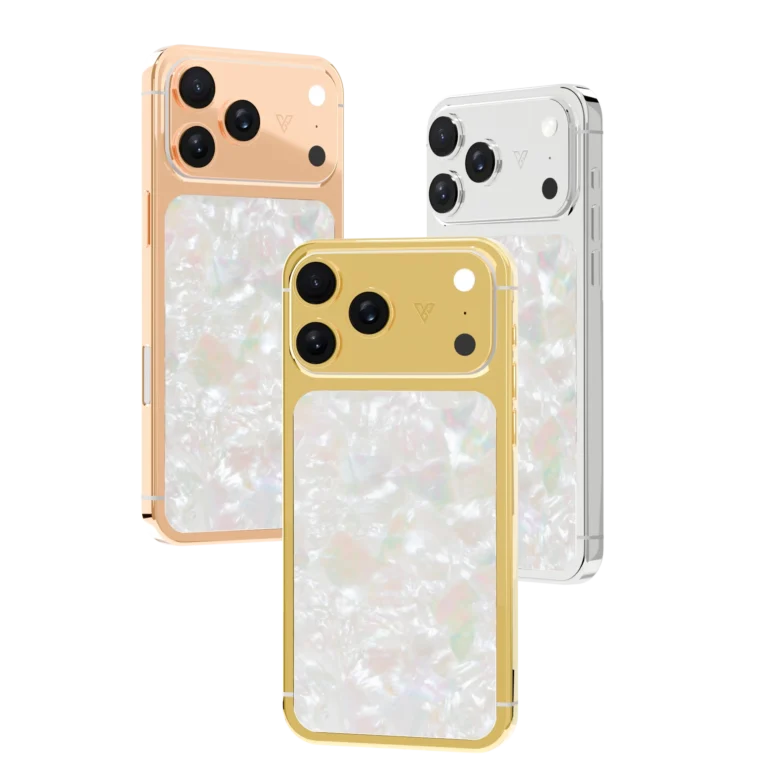
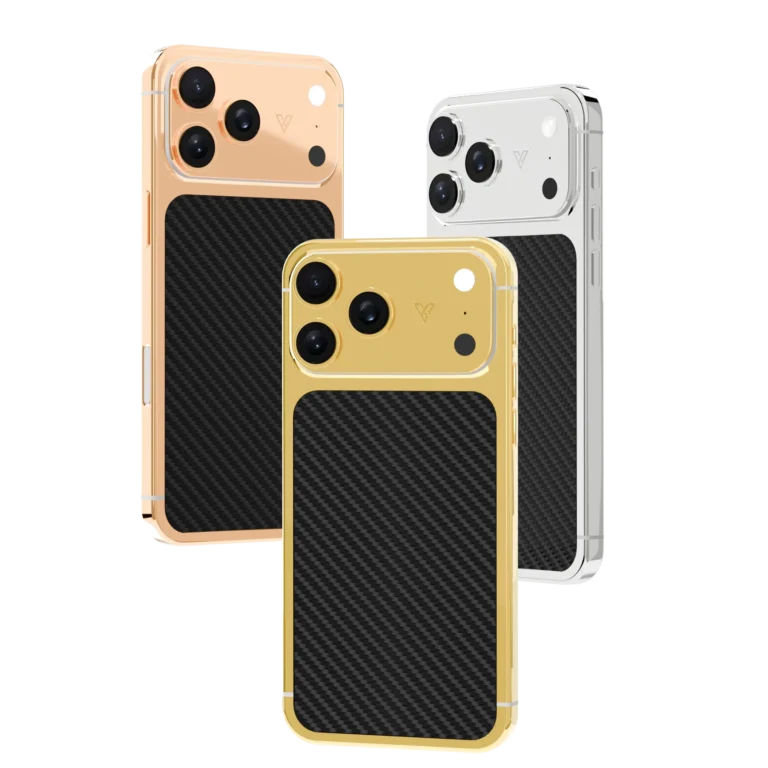
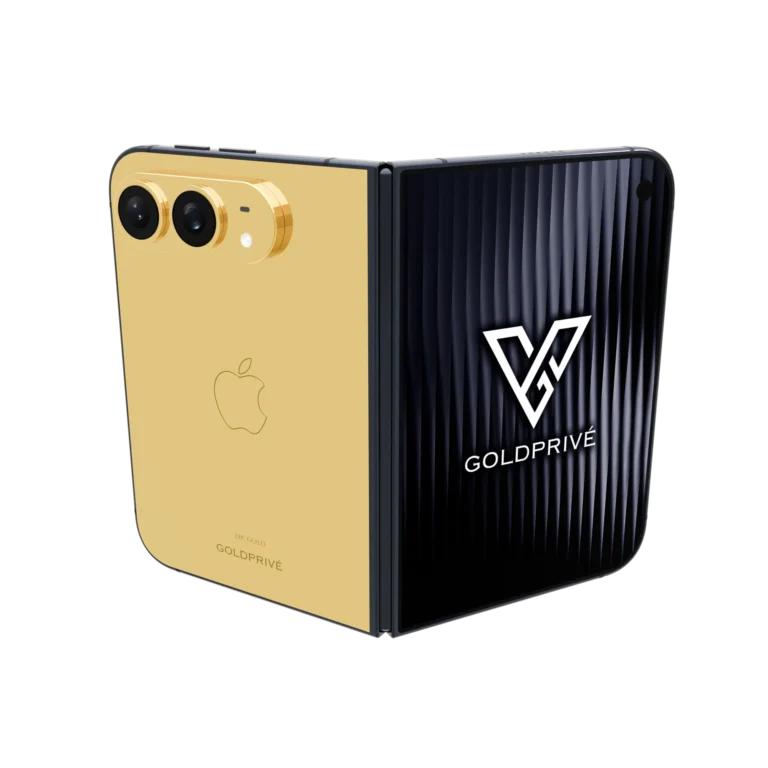
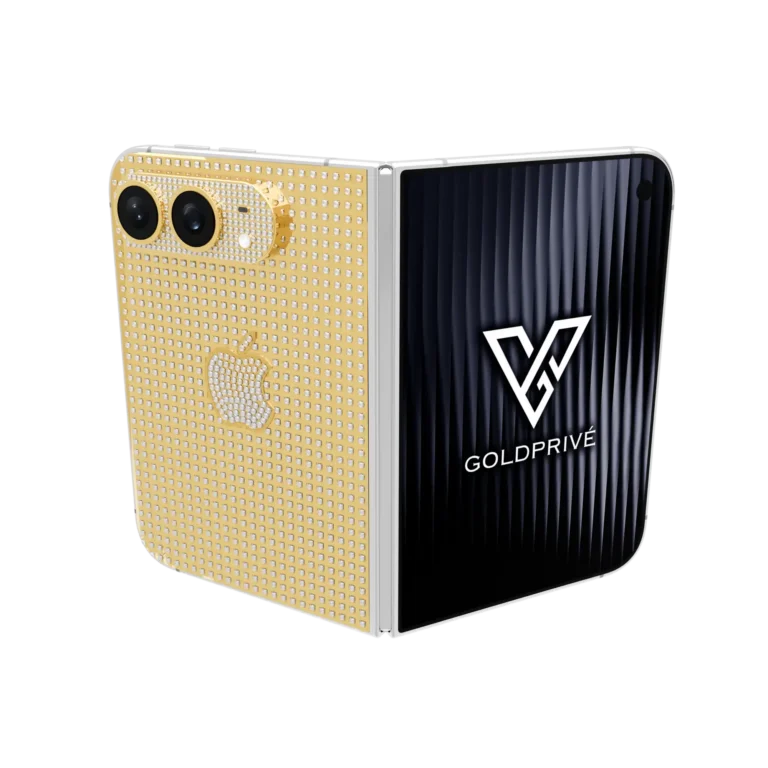
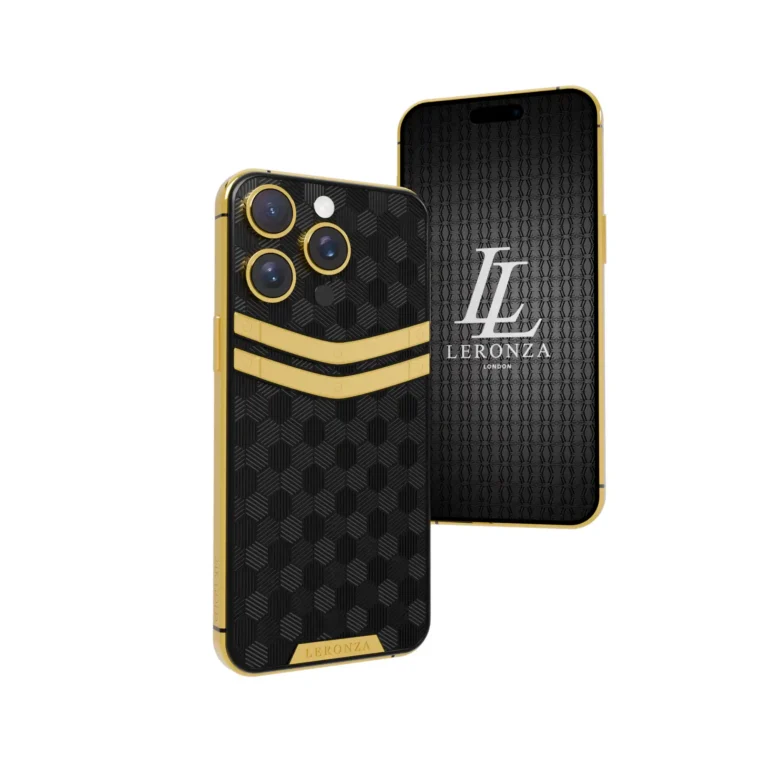
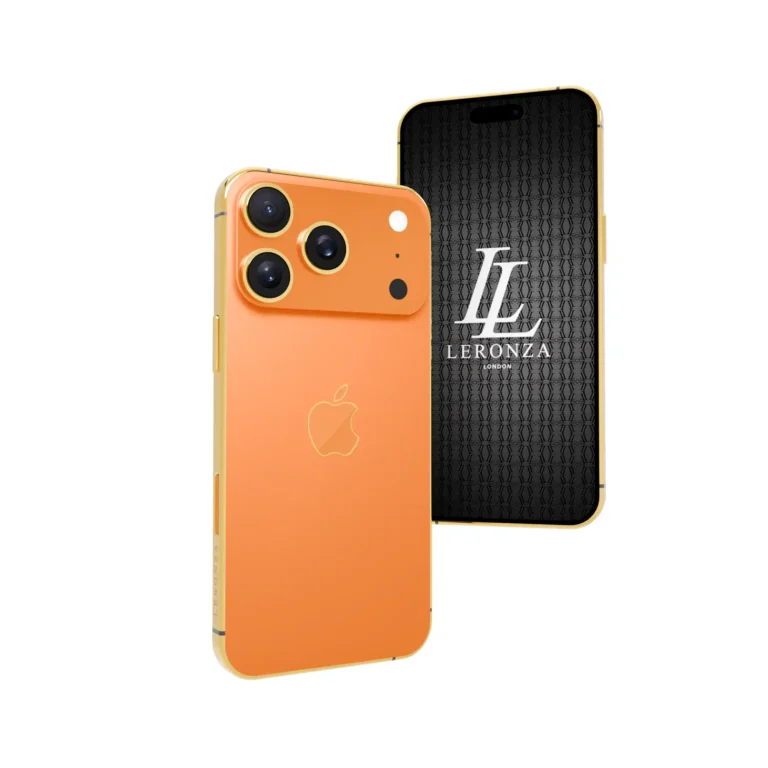
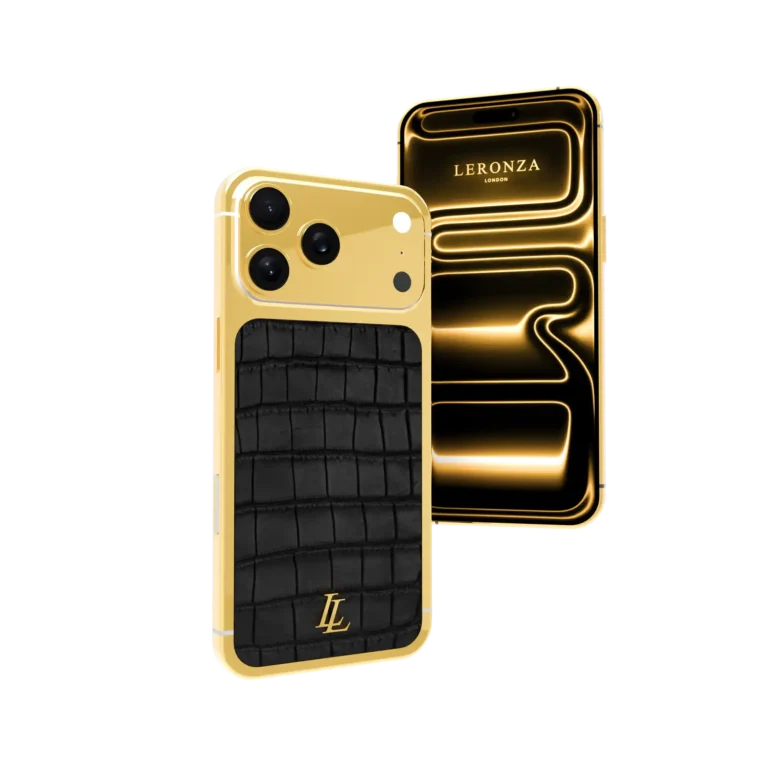
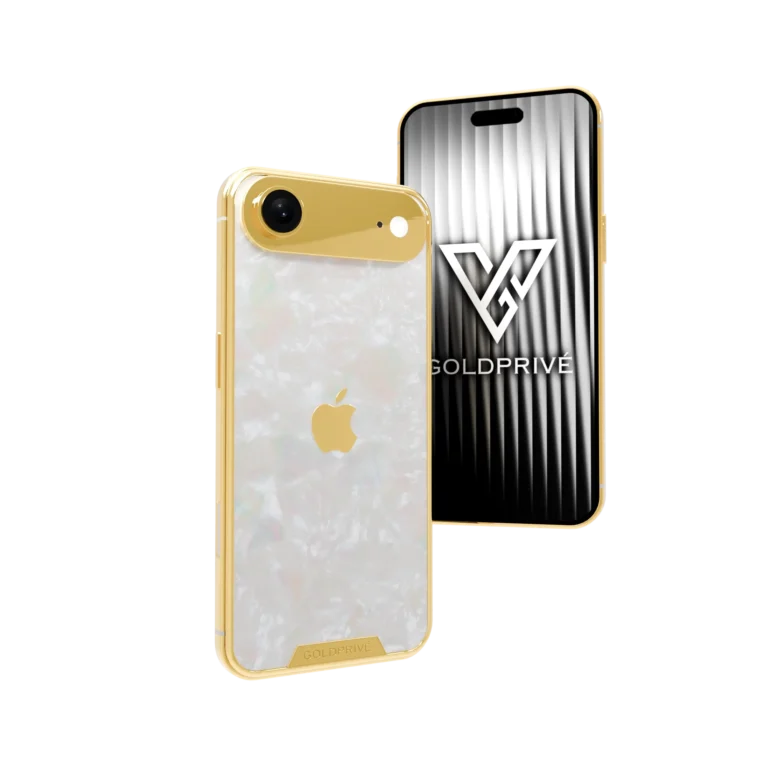
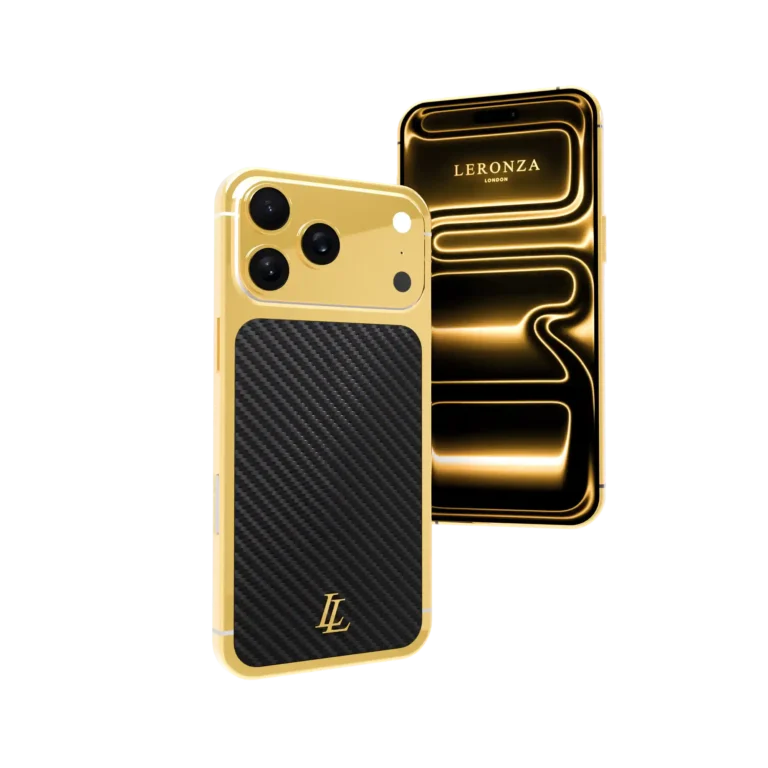
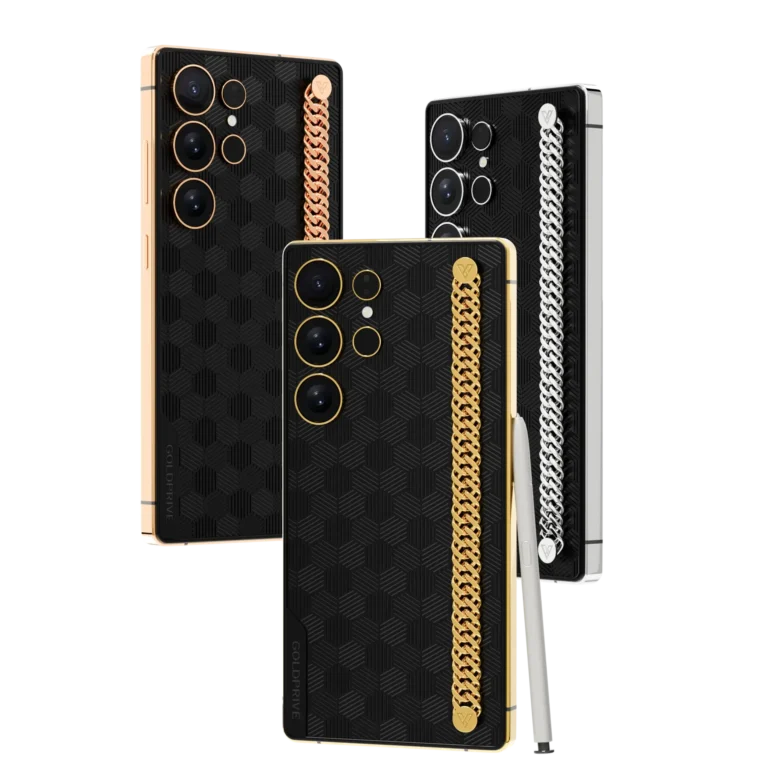
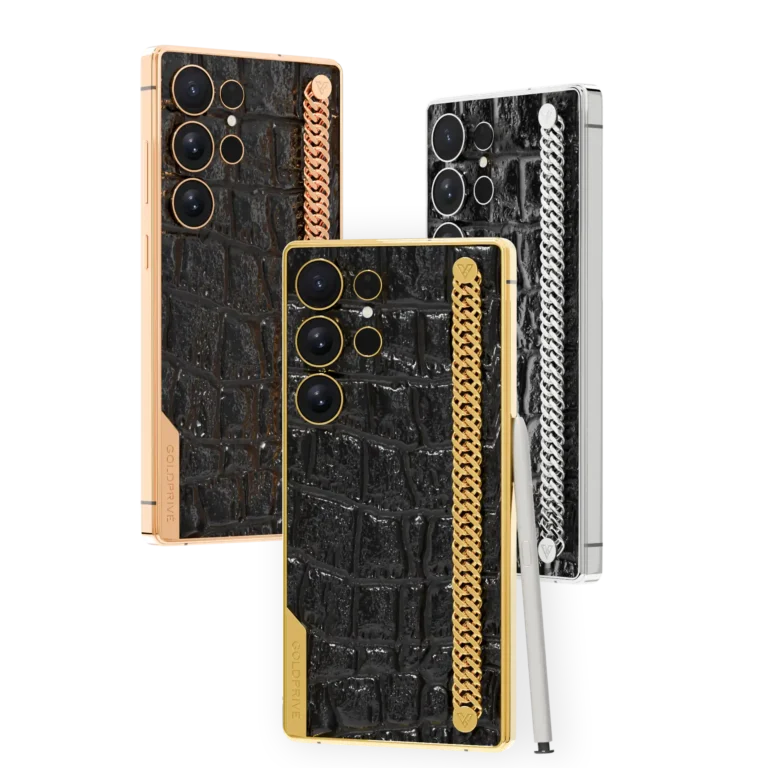
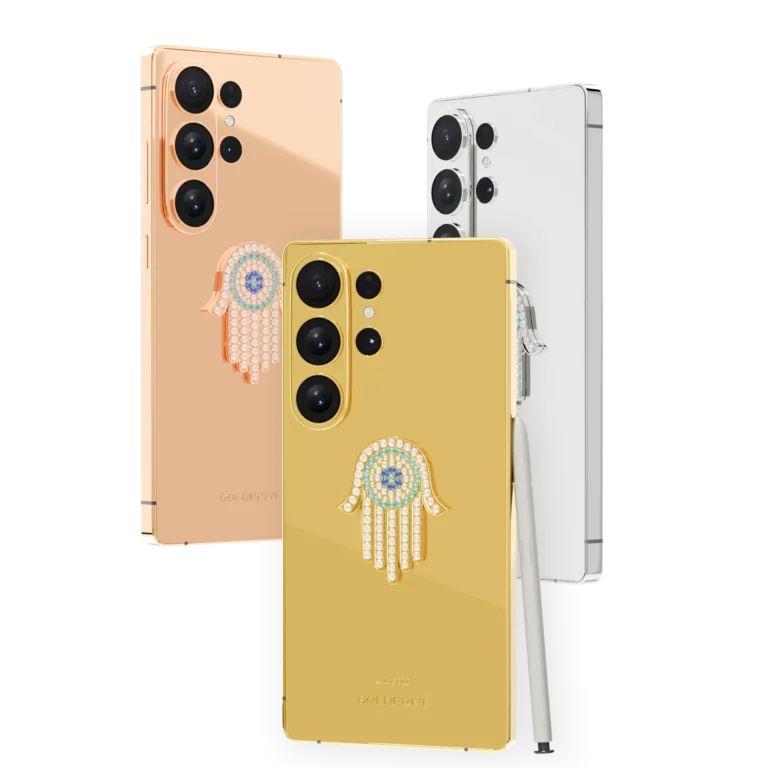
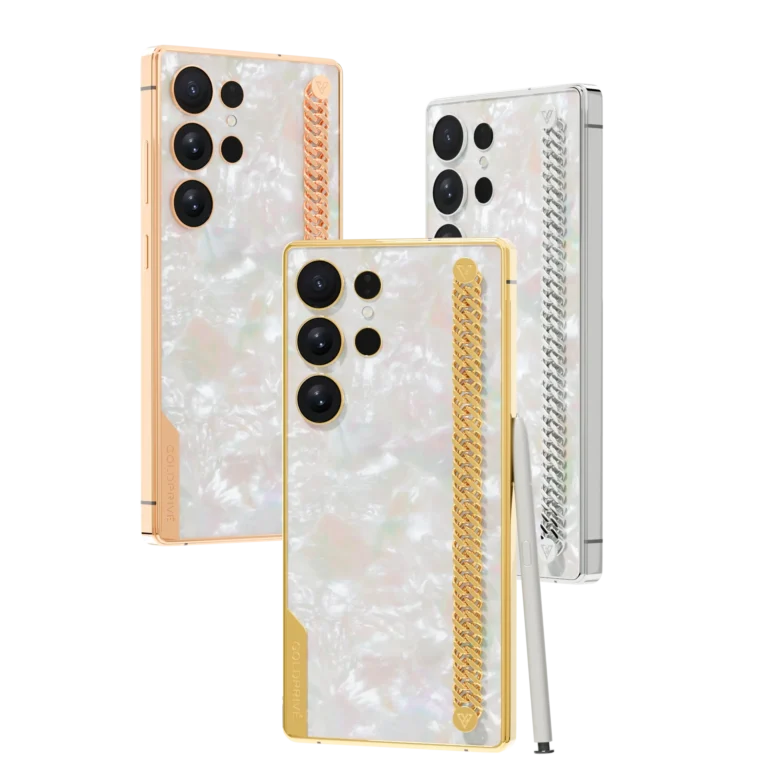
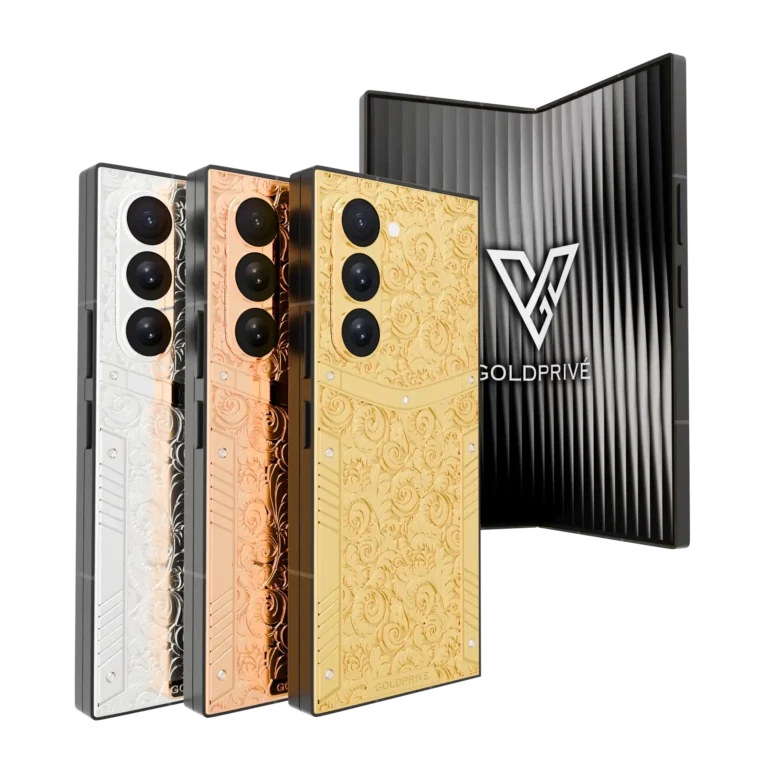
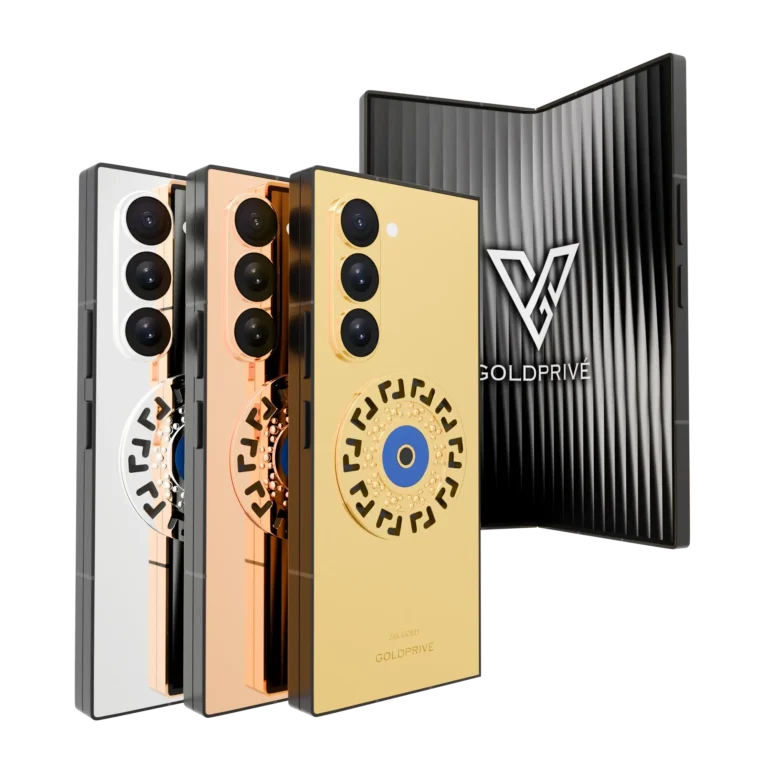
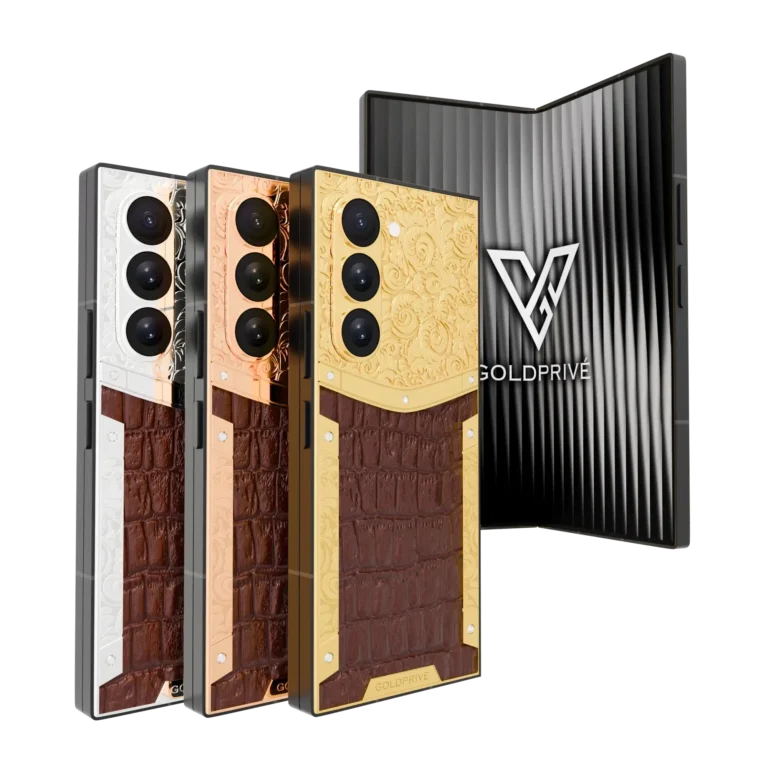
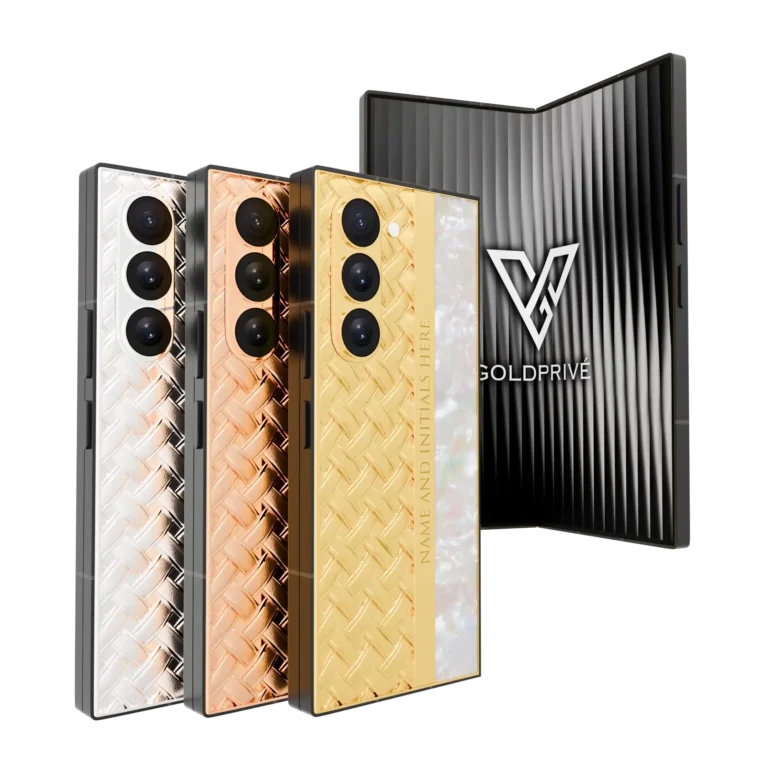
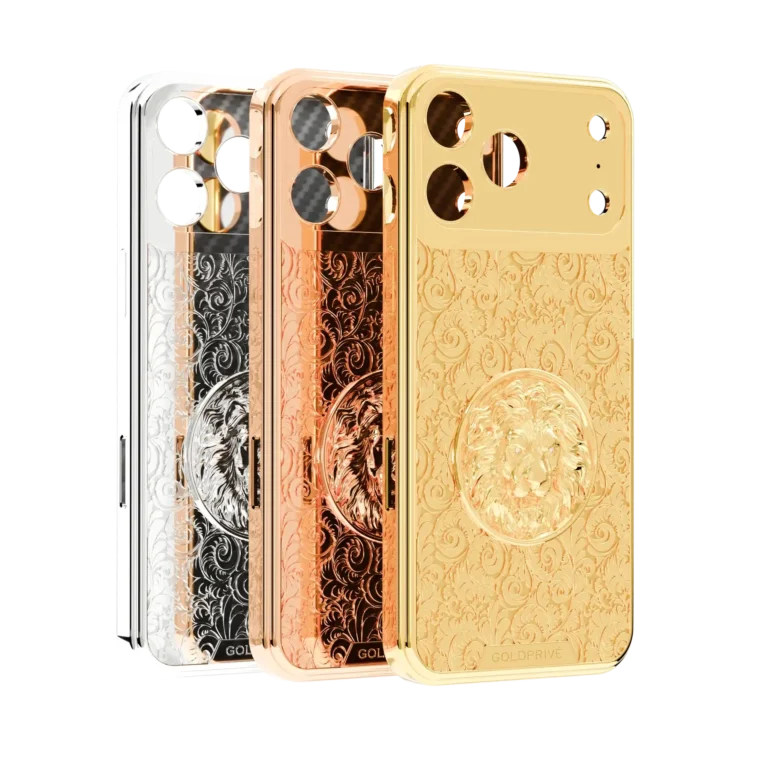
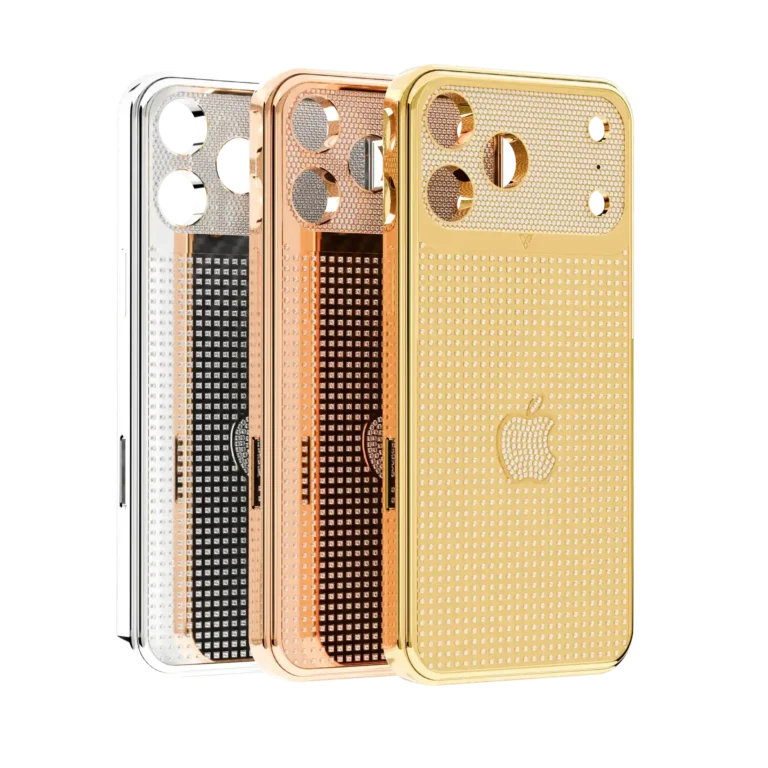
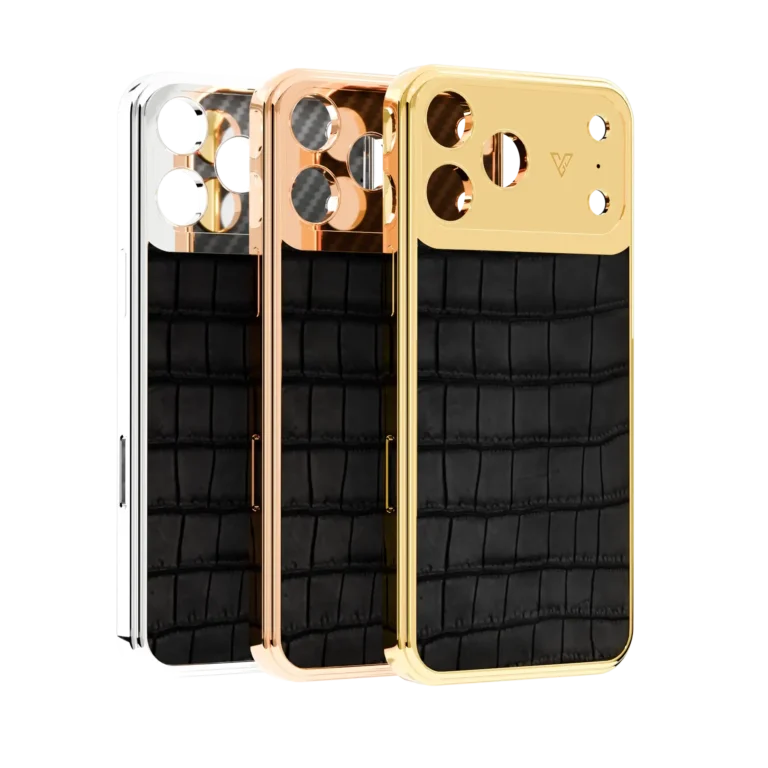
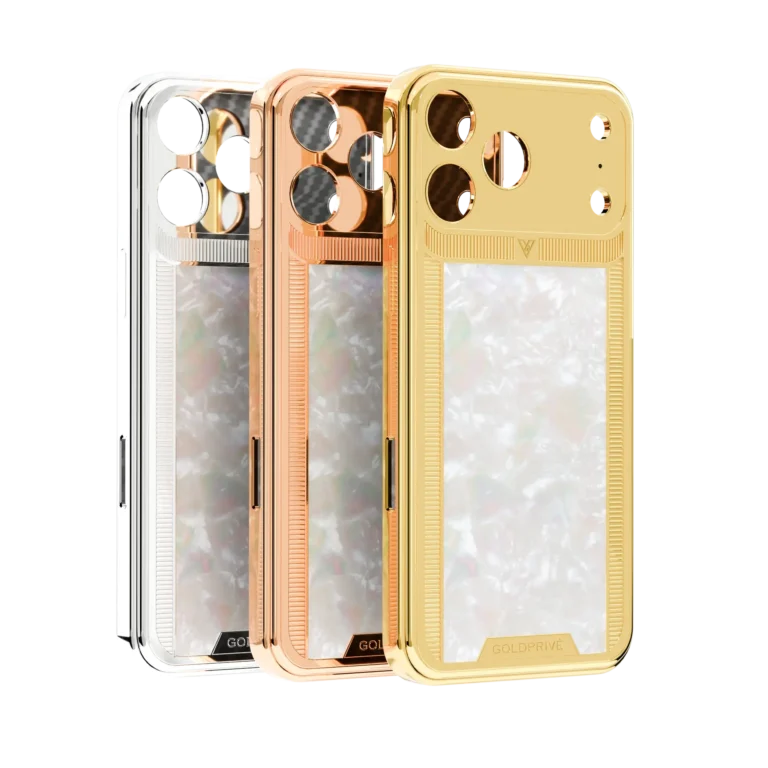
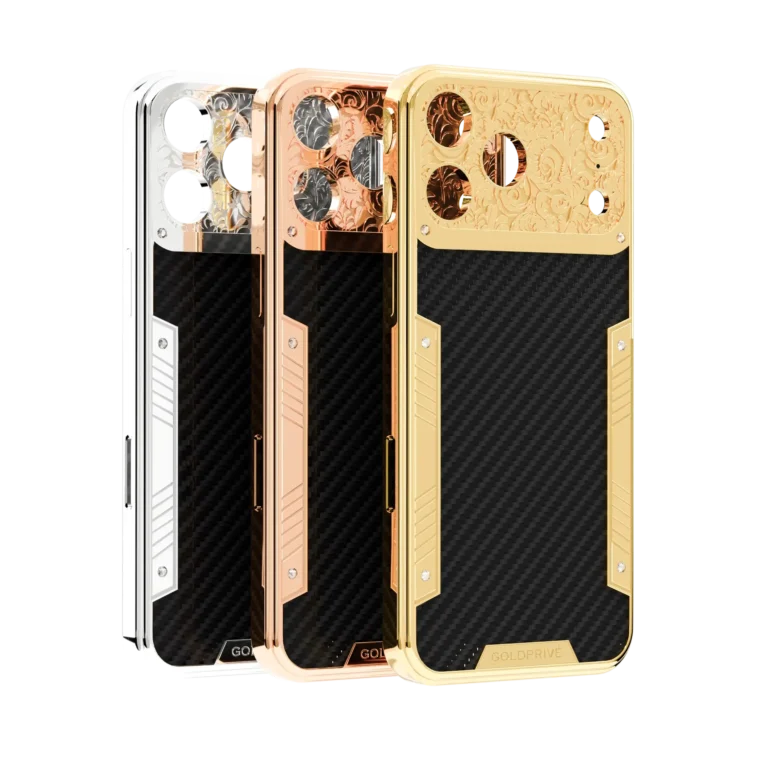
Here’s the part the goods-versus-experience framing usually misses: commissioning a bespoke device isn’t purely a product purchase or purely an experience — it’s both at once. The consultation, the material choices, the personalization decisions covered in choosing between gold, platinum, and diamonds for a bespoke phone, and the final object itself, are a single continuous process rather than a transaction followed by ownership.
That’s precisely why bespoke commissioning doesn’t show up cleanly in either half of Bain’s goods-versus-experience split. It behaves like both, which may be exactly why demand for genuinely personalized objects hasn’t followed the same downward pull as standard luxury goods.
What This Actually Changes About How You Spend
- A purchase that comes with a process — consultation, personalization, a story behind the final piece — is increasingly what “luxury” means in practice, not just the price tag attached to it.
- Roughly half of luxury shoppers now check secondhand markets before buying new, which makes verifiable provenance more valuable than it was even a few years ago, not less.
- AI-assisted research is now a normal part of how luxury purchases get made, which is exactly why factual, unembellished product information matters more than persuasive copy alone.
- Where you live changes the picture. Broad global trend lines don’t guarantee the same conditions in every regional market.
Questions Worth Asking About This Shift
Did the luxury goods market actually shrink in 2025?
Yes, by 2% according to Bain and Altagamma’s 2026 study, which put the personal luxury goods market at €358 billion for the year, with a forecast recovery of 2 to 4% in 2026.
Is luxury spending declining overall, or just goods specifically?
Overall luxury spending, including hospitality, dining, and experiences, reached €1,443 billion in 2025. It’s specifically personal goods that contracted, while immersive experiences grew substantially over the same period.
Why are experiences growing faster than luxury goods right now?
Bain’s research frames it as a shift toward purchases defined by meaning rather than product alone, with consumers favoring spending that delivers a story or process, not just an object.
Does bespoke commissioning count as an “experience” or a “good” in this framing?
It sits between the two. A commissioned piece is a physical object, but the consultation and personalization process behind it functions much like the experiential purchases driving current growth.
Is the Gulf luxury market shrinking?
Early 2026 data from Bain and Altagamma showed the Gulf’s luxury consumer base contracted an estimated 15 to 25%, even as other regions like the Americas grew strongly, making regional performance genuinely uneven.
How common is it for luxury shoppers to use AI before buying?
Very common at this point. Roughly half of consumers already use AI somewhere in their purchase journey, whether for brand discovery or comparing products, and most intend to keep using it.
Does checking secondhand markets first mean buyers trust new luxury less?
Not necessarily distrust so much as due diligence. Around half of luxury shoppers now consult resale markets before buying new, which reflects a more informed, comparison-driven buying process overall.
None of this means the idea of “luxury lifestyle” has become meaningless — if anything, the data suggests it’s become more specific. It’s less about what you own outright and more about whether what you own actually came from somewhere, meant something to acquire, and can be explained beyond its price.
Start with a conversation, not a catalogue page.