Blog
Is Bespoke Luxury Tech a Real Collectible? What the Data Says

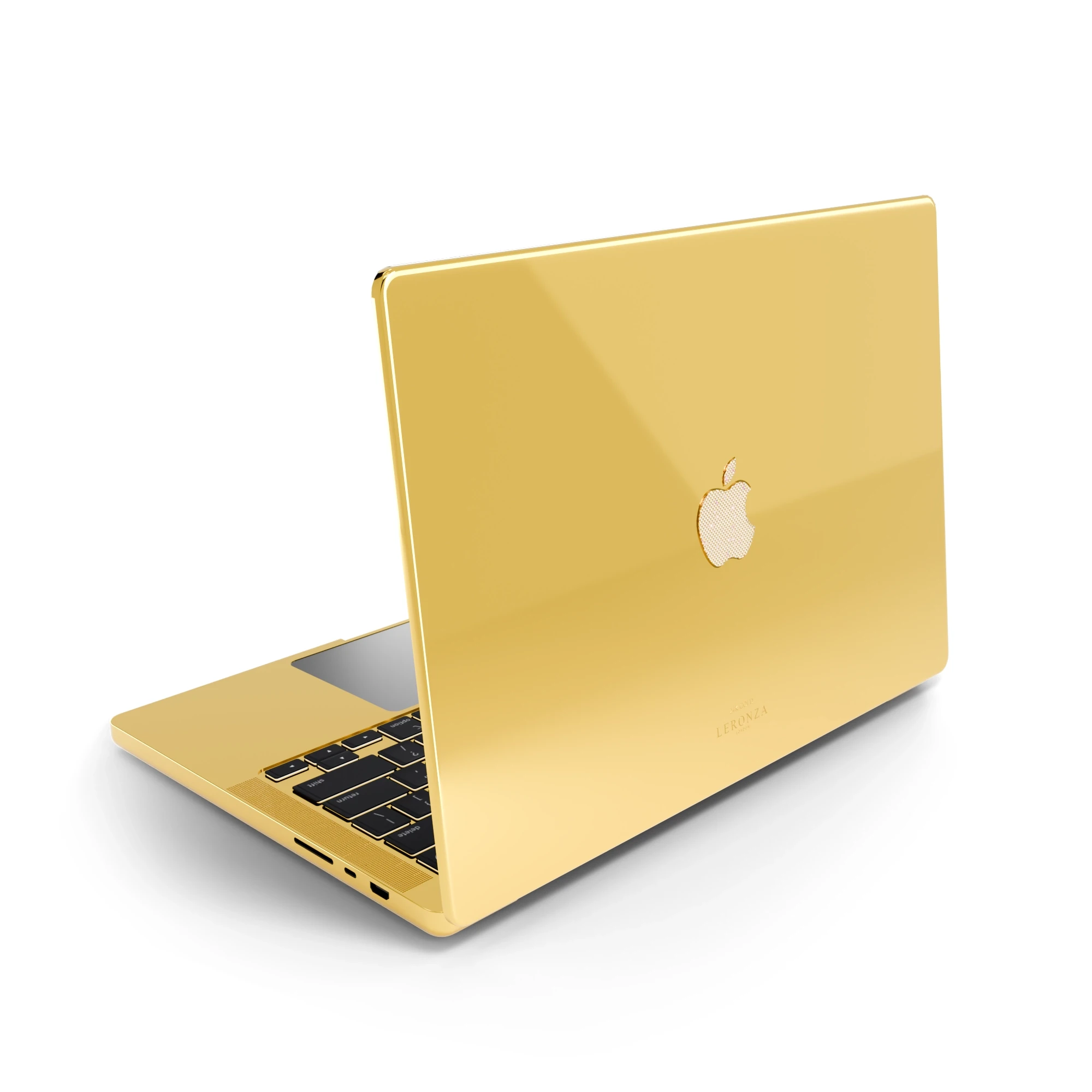
Every year, Knight Frank publishes an index tracking how ten categories of collectible luxury actually performed — watches, art, cars, wine, whisky, coins, handbags, jewellery, furniture, coloured diamonds. Bespoke technology isn’t on that list. That’s not an oversight worth dismissing; it’s the honest starting point for asking whether a commissioned gold iPhone is actually a collectible, or just an expensive phone with good marketing.
Some bespoke tech genuinely meets the criteria that define collectibles — rarity, provenance, verifiable craftsmanship. Most doesn’t, because most of it isn’t scarce enough to qualify. The distinction comes down to construction, not branding.
The Index That Doesn’t Include Phones
The Knight Frank Luxury Investment Index (KFLII) is the closest thing the collectibles world has to a standardized benchmark, tracking ten established categories year over year. In 2025, the index slipped a modest 0.4% overall — a stabilization after steeper drops of 2.7% in 2024 and 3.3% in 2023 — while individual categories told very different stories: watches rose 5.1%, driven by continued demand for Patek Philippe’s Aquanaut and Nautilus references, and Impressionist art surged 13.6% on the back of major single-owner sales. Over the past decade, the index as a whole has risen 38.6%.
| Category | 2025 Movement | Notable Driver |
|---|---|---|
| Watches | +5.1% | Sustained demand for Patek Philippe Aquanaut and Nautilus, Rolex resilience |
| Art (Impressionist) | +13.6% | Major single-owner sales, including a Klimt portrait at $236.4 million |
| KFLII overall (10 categories) | −0.4% | A stabilizing market after sharper declines in 2023–24 |
| KFLII, 10-year change | +38.6% | Long-run growth across the tracked collectible categories |
No phone, gold-plated or otherwise, appears anywhere in that index. That’s worth sitting with before calling anything in this category an “investment.”
What Actually Makes Something a Collectible
Setting the KFLII aside, the categories it does track share a handful of underlying traits. Testing bespoke tech against them, honestly, produces a mixed result rather than a clean yes or no.
A fixed, disclosed production run, or true one-of-one status. Most catalogue-plated phones don’t have this — a design can be reordered indefinitely.
Sometimes
Documentation tying a specific piece to a maker, date, and record. This is exactly what a product verification process is designed to provide.
Yes, when offered
Hand-executed work that can’t be mass-replicated, as opposed to a repeatable plating process applied to a standard case.
Depends on the piece
An active resale or auction market that establishes independent value, the way KFLII does for its ten categories.
Not yet established
Where This Actually Plays Out at Leronza
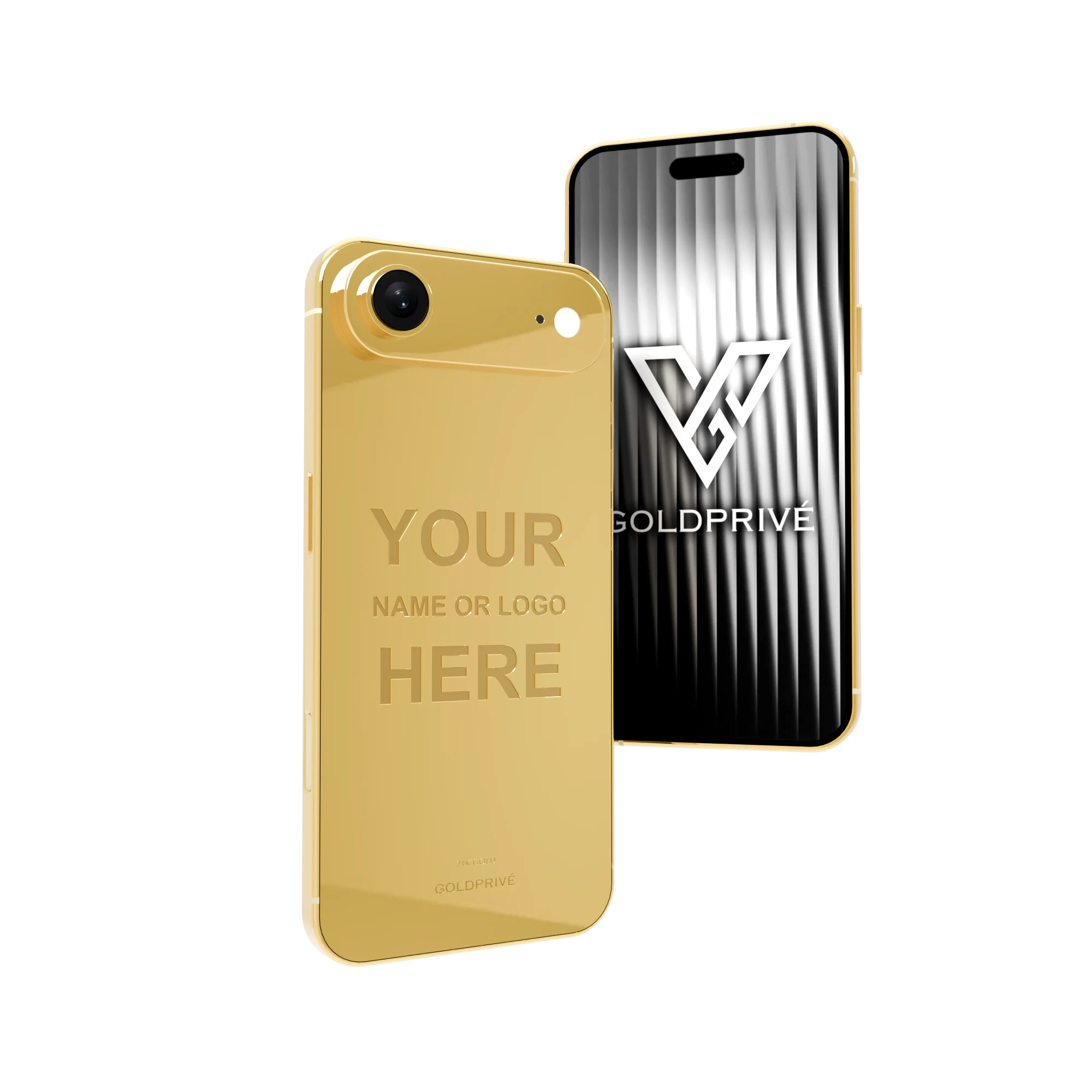
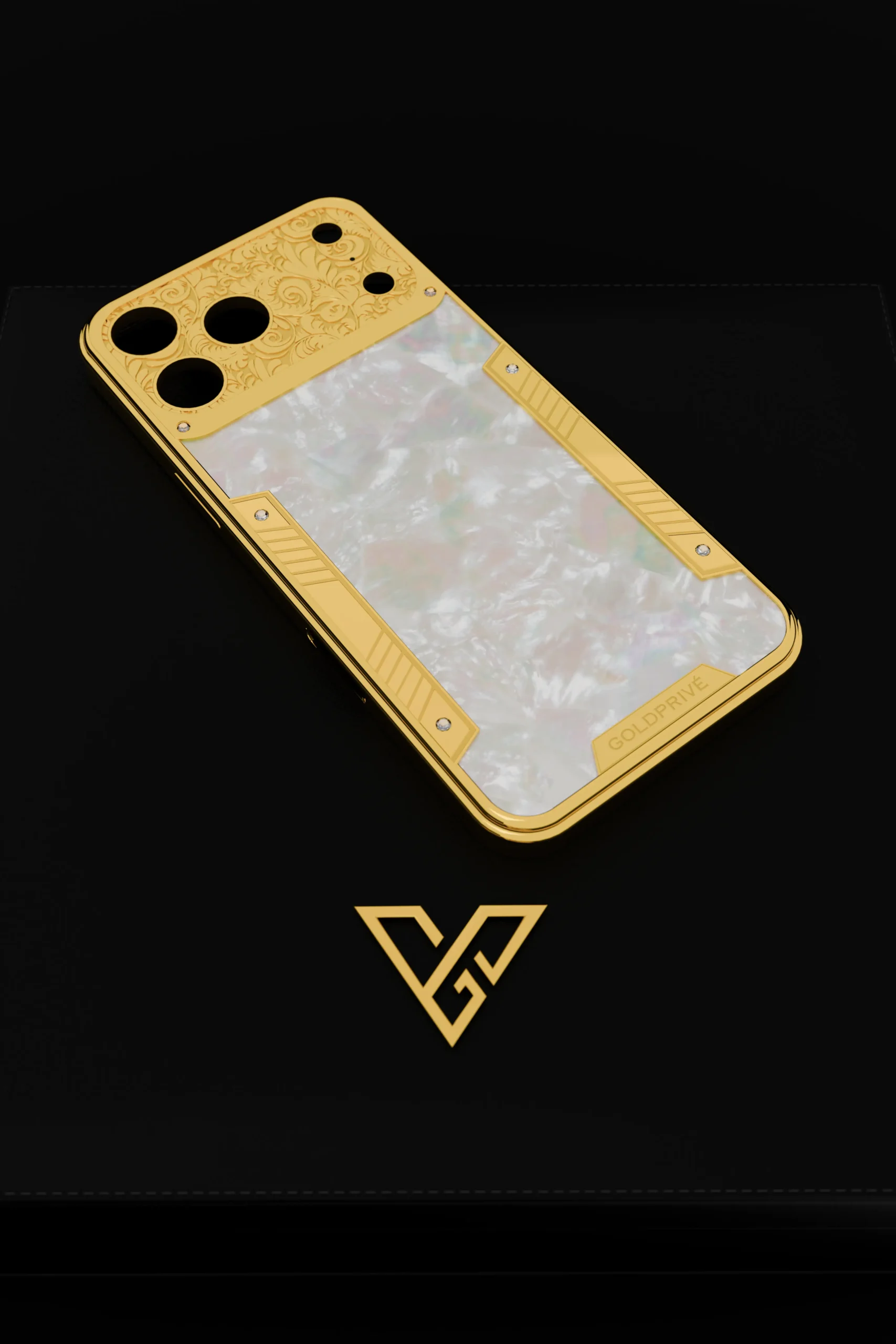
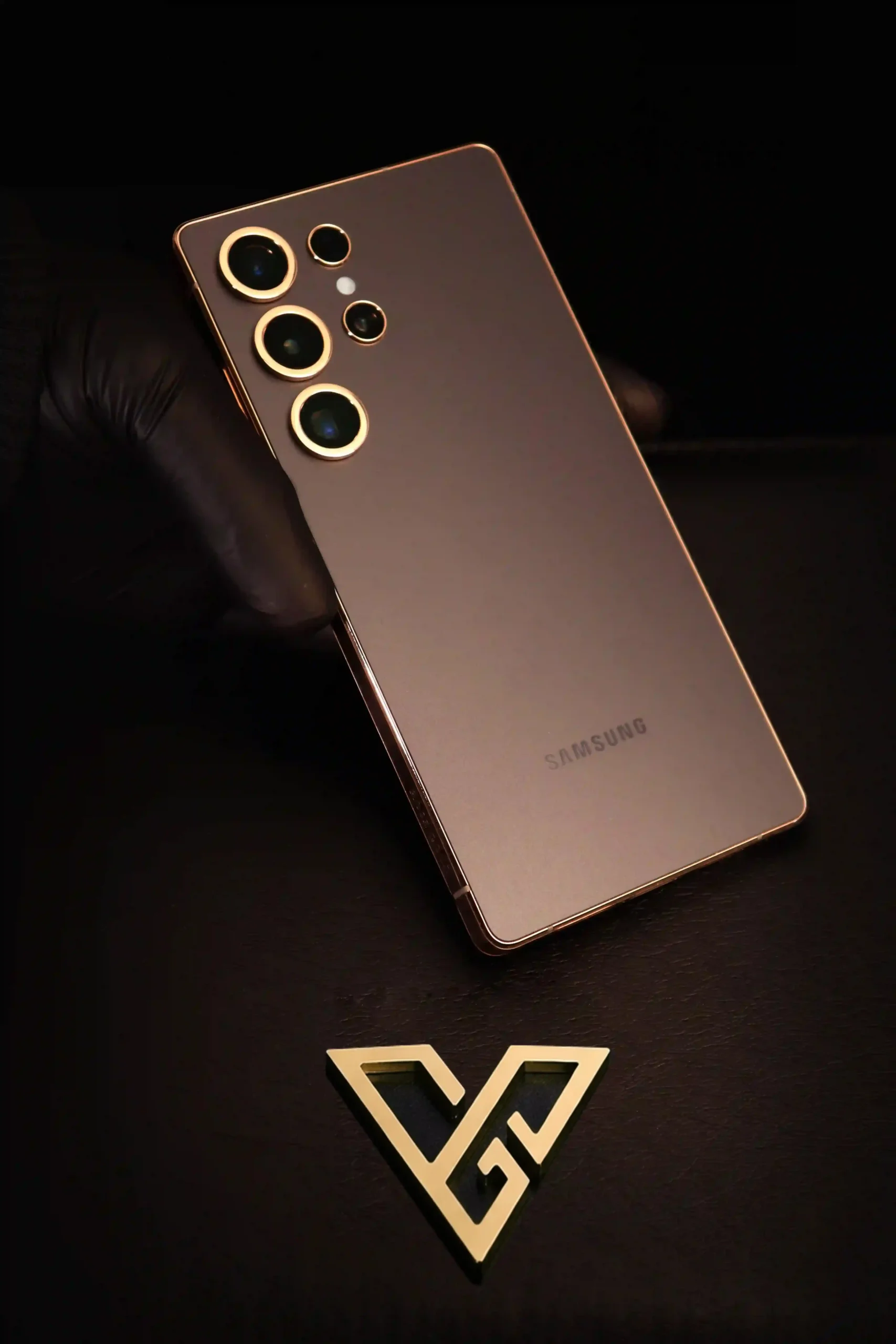
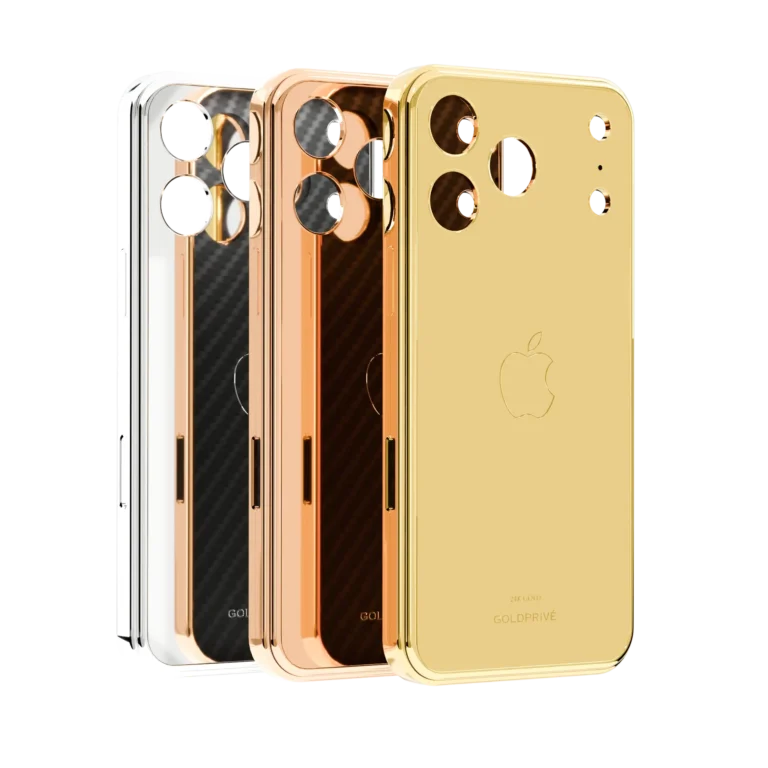
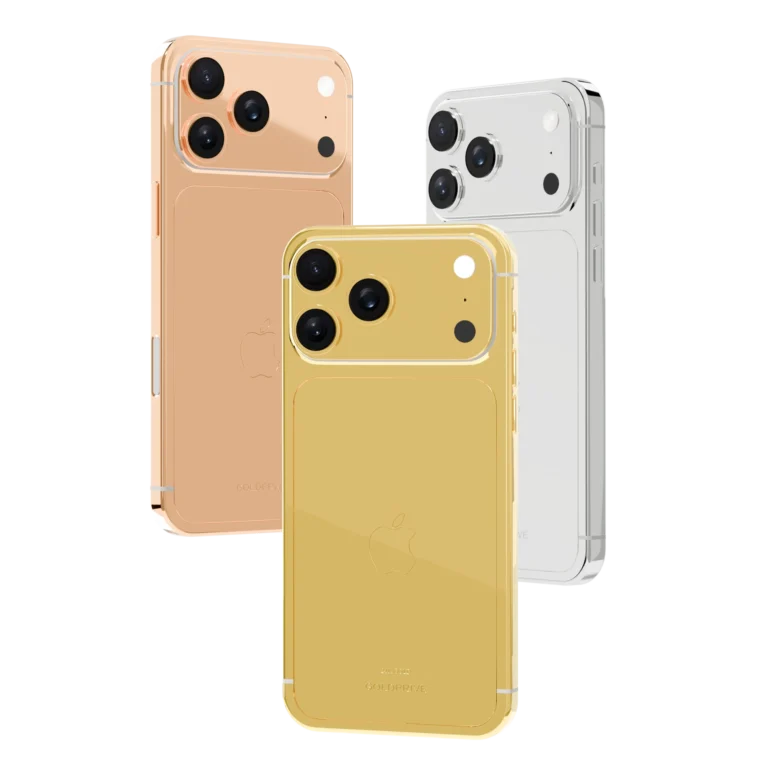
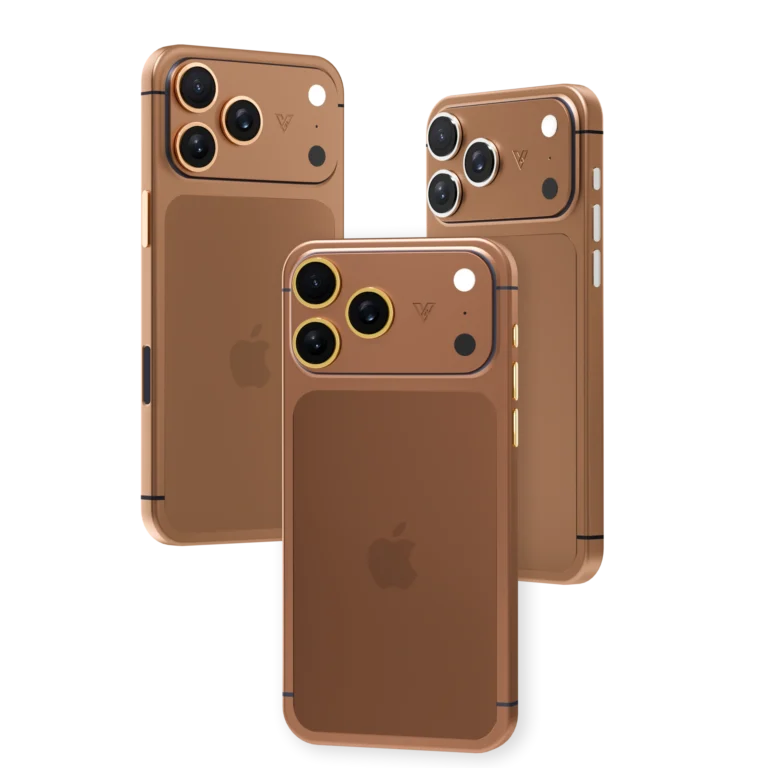
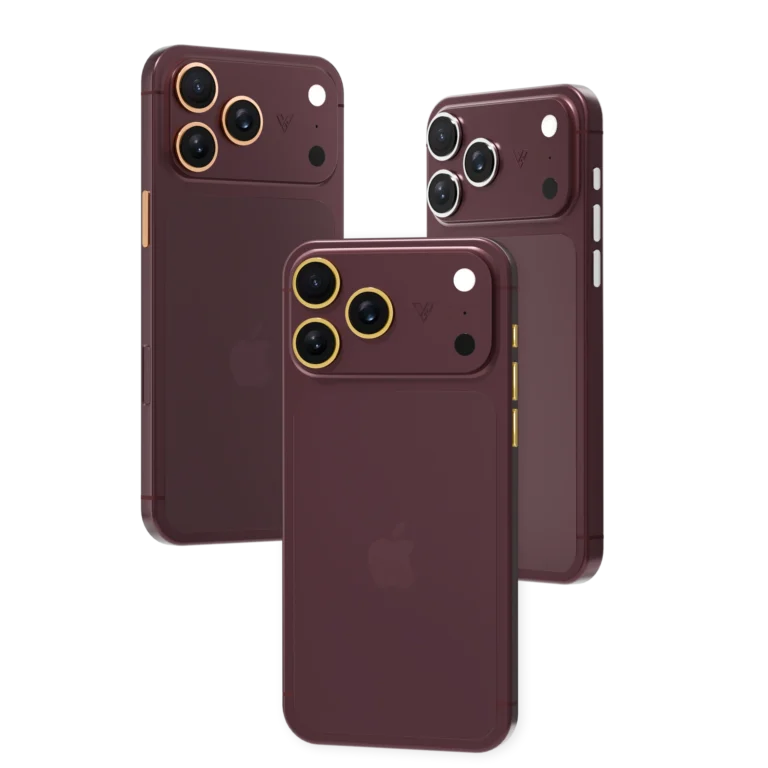
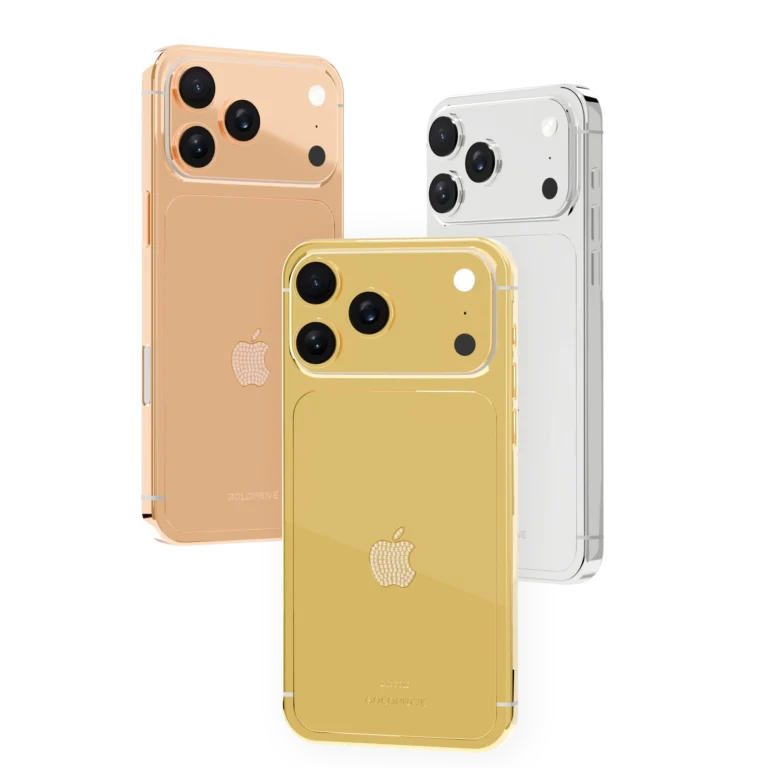
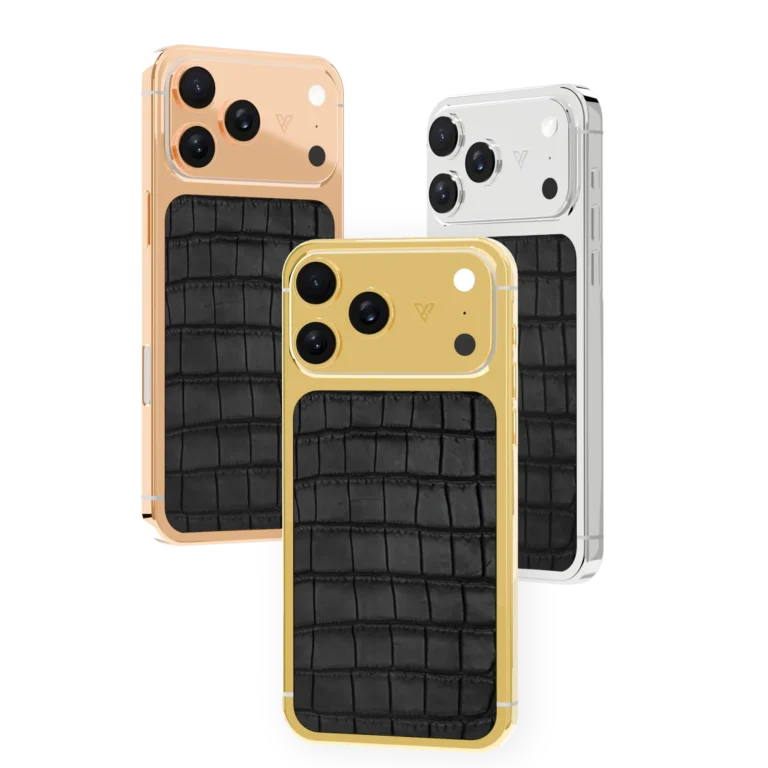
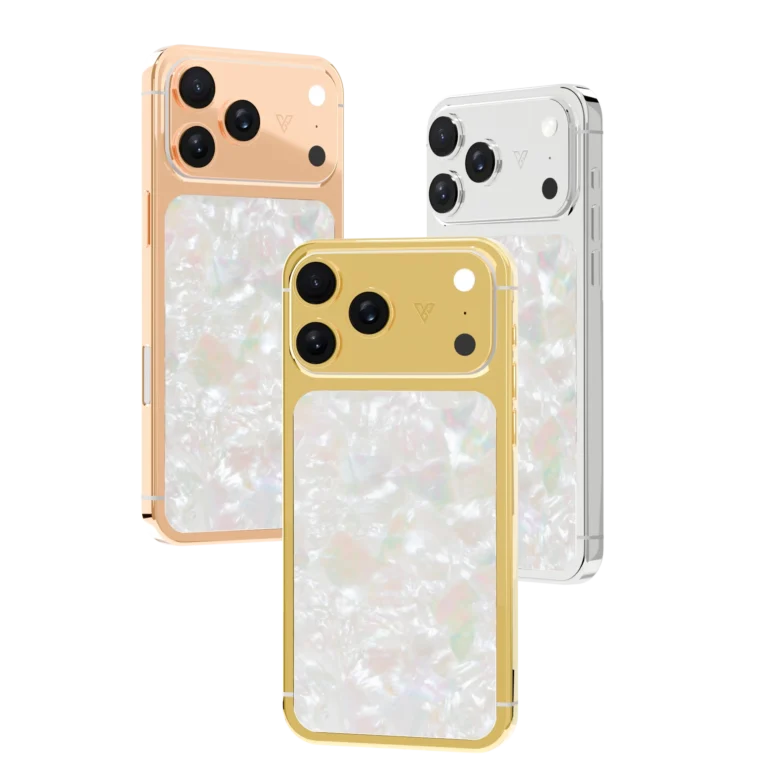
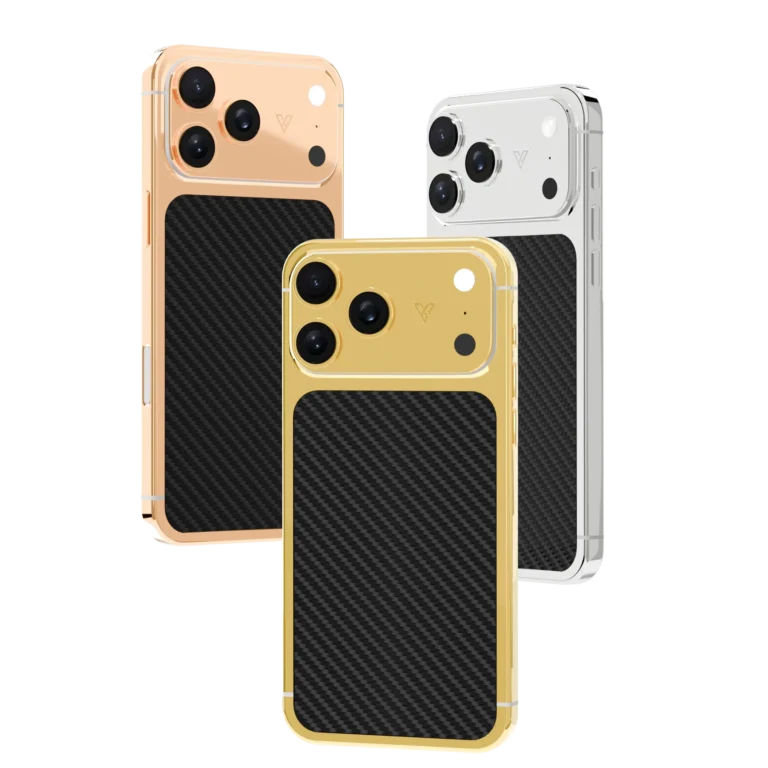
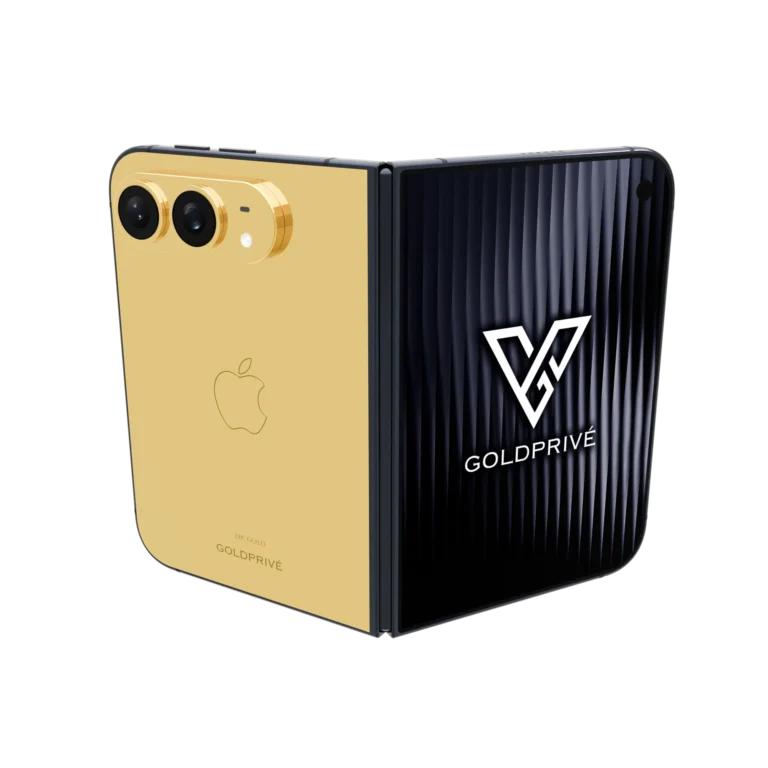
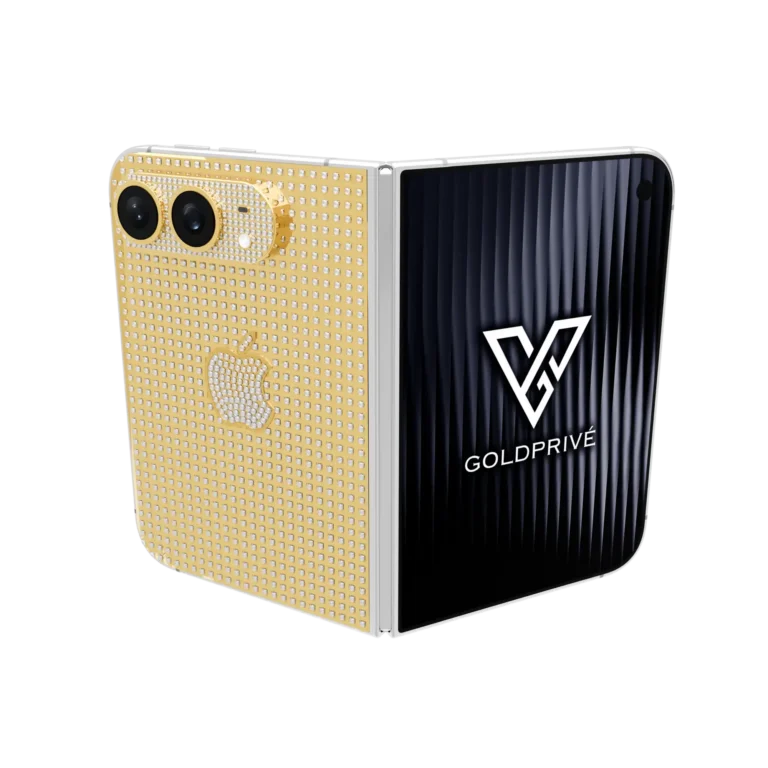
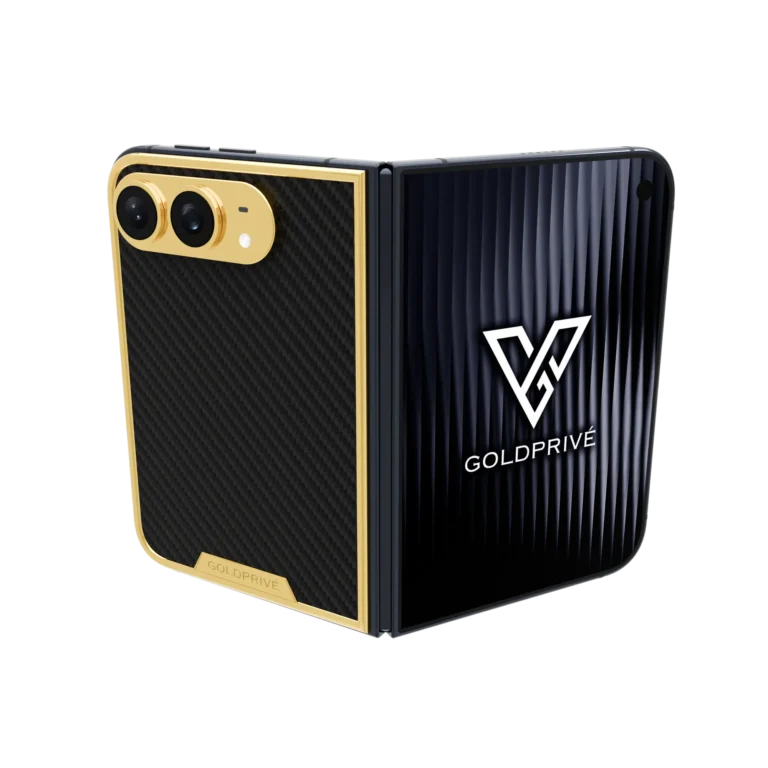
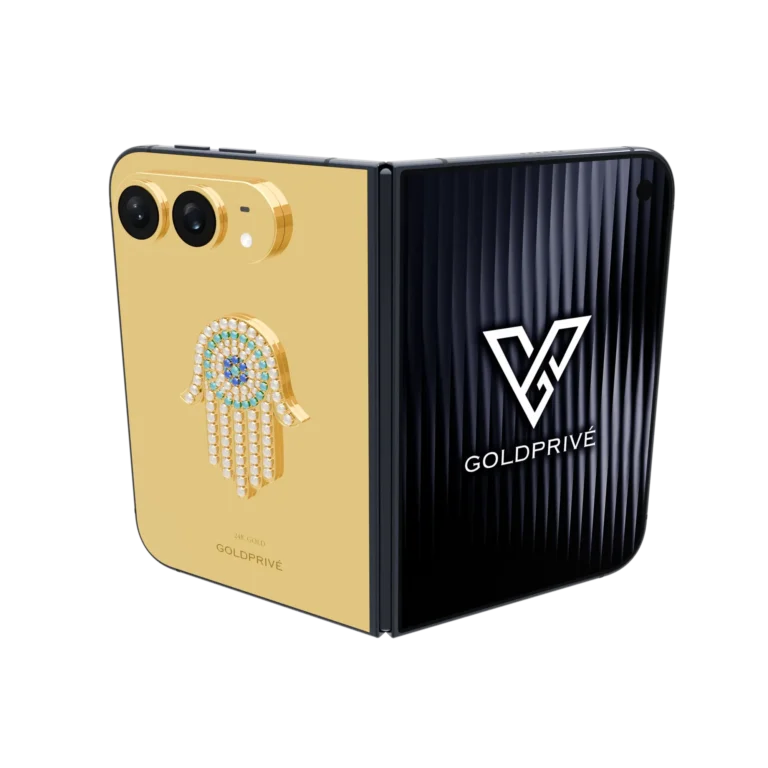
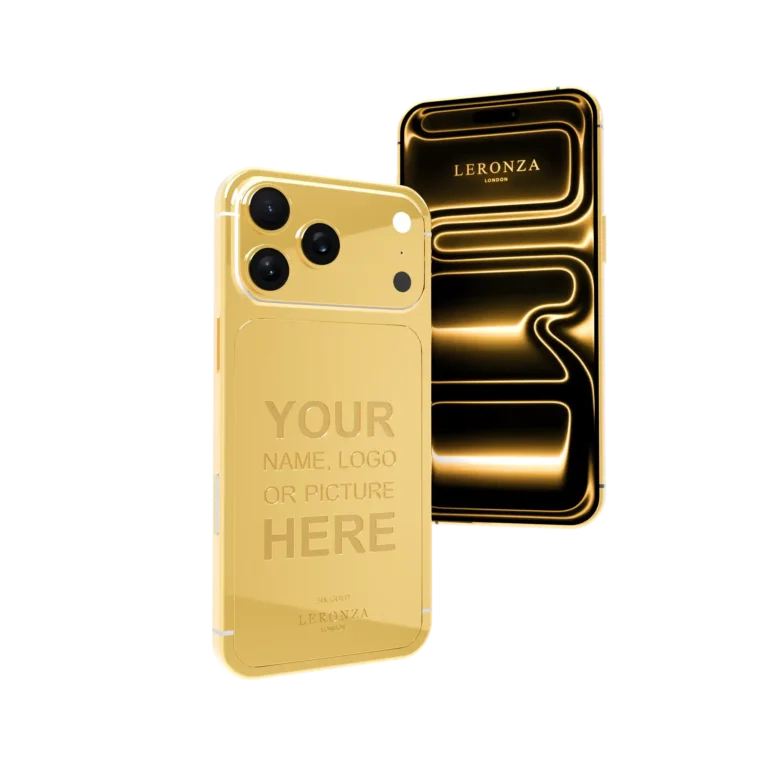
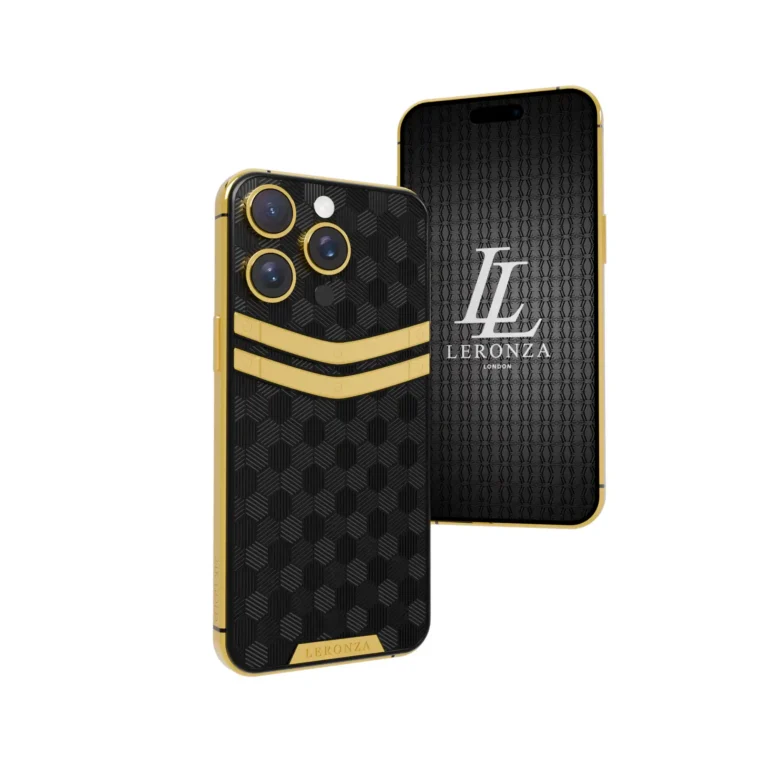
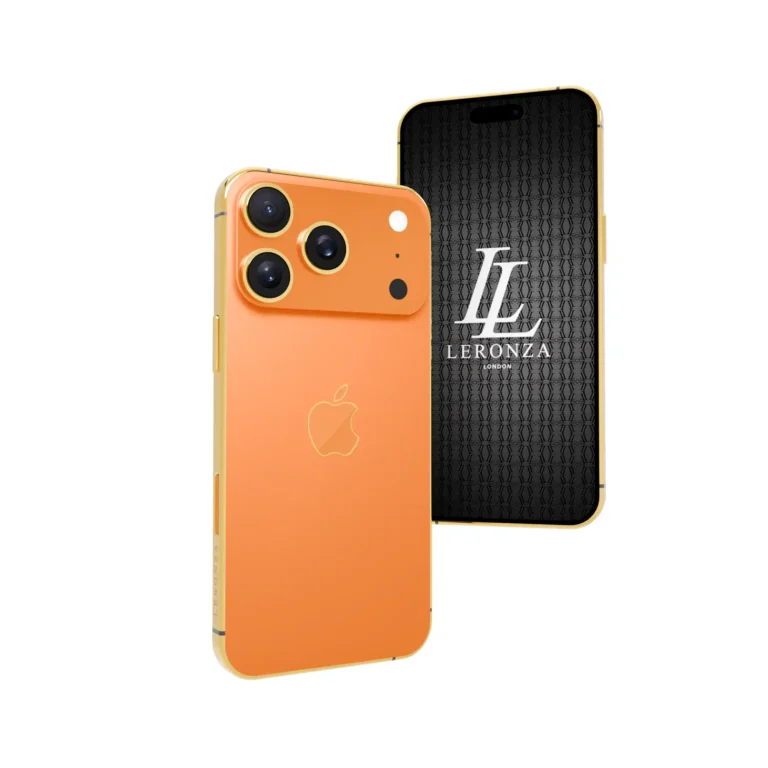
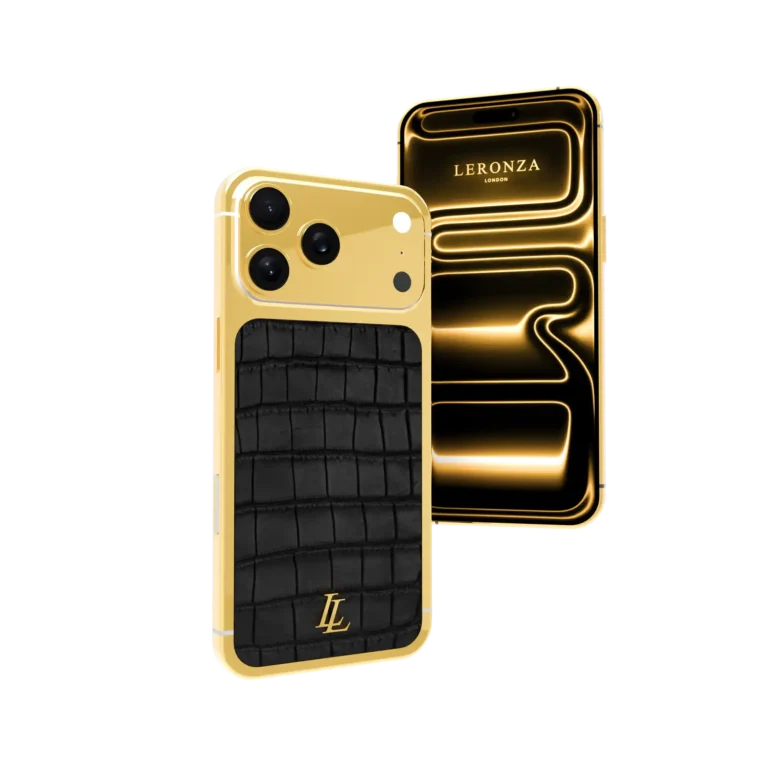
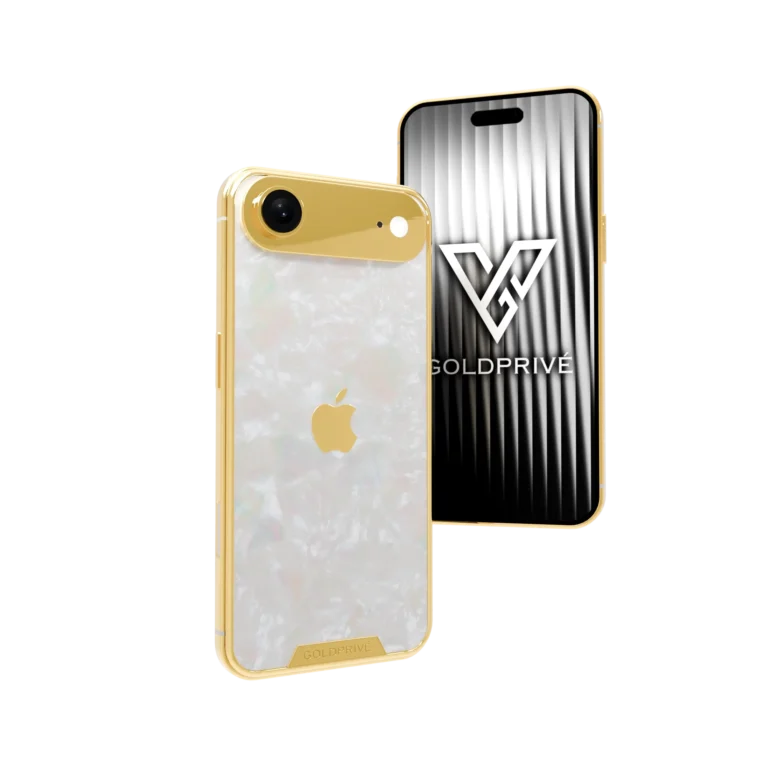
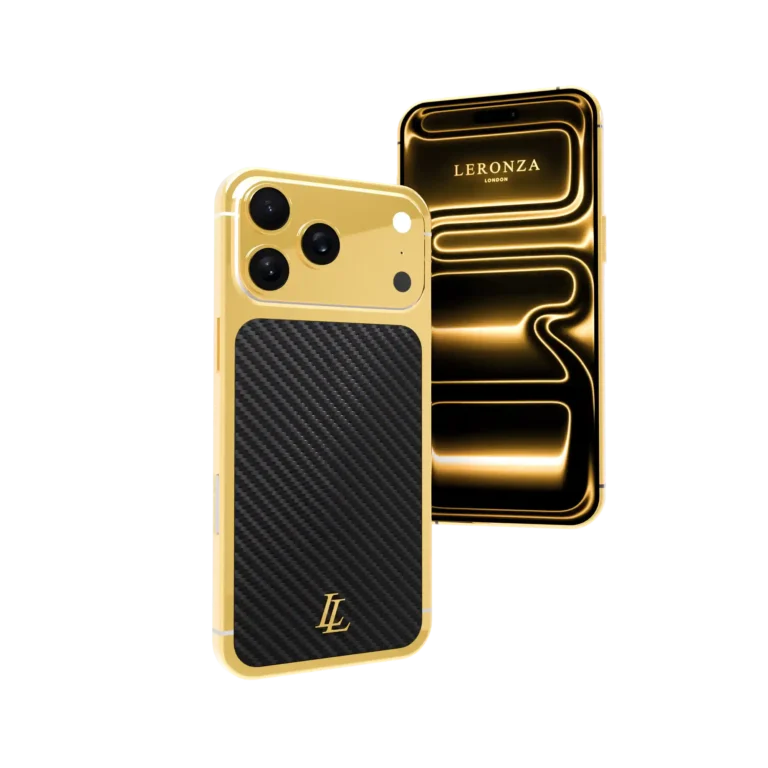
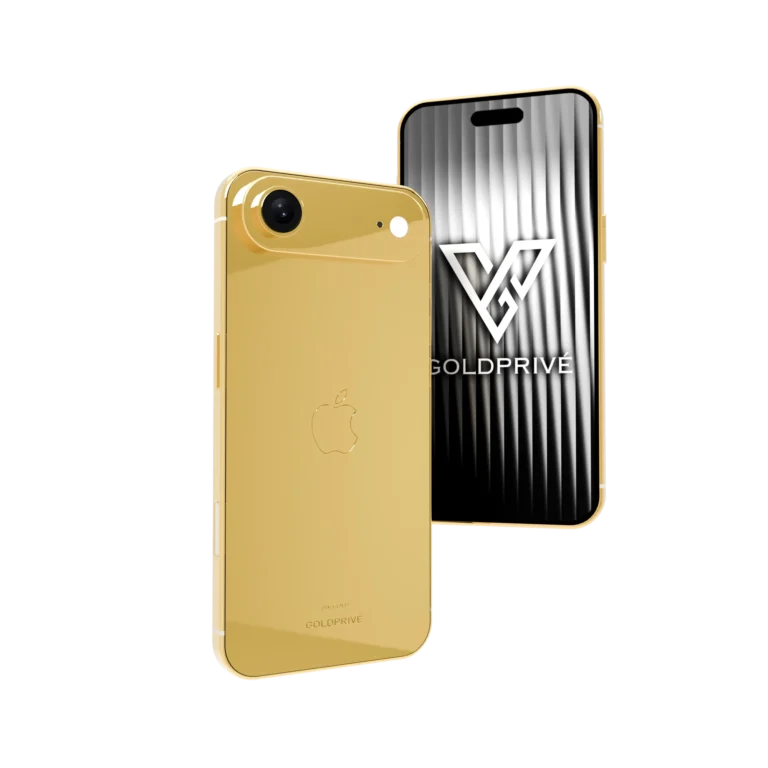
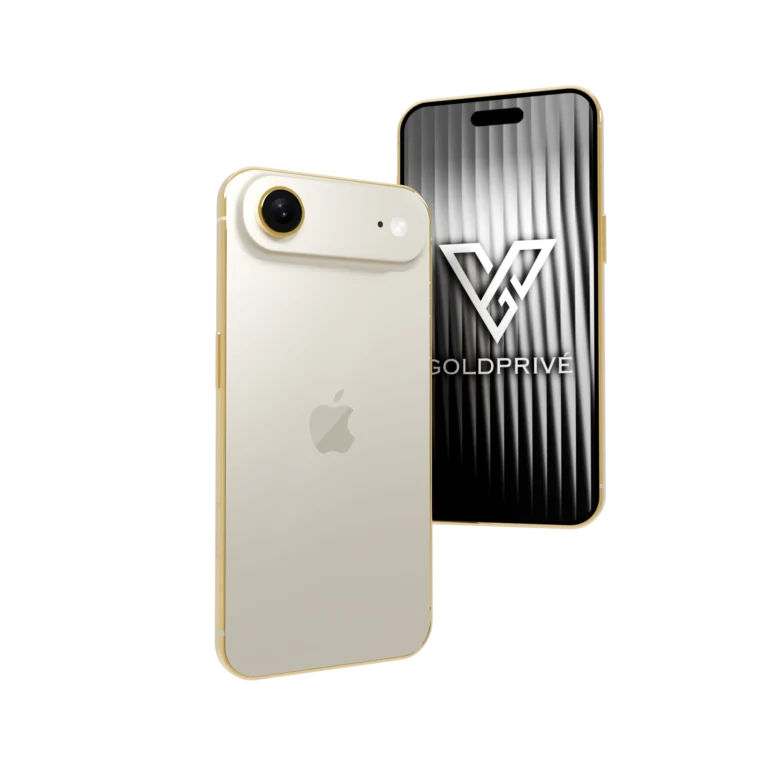
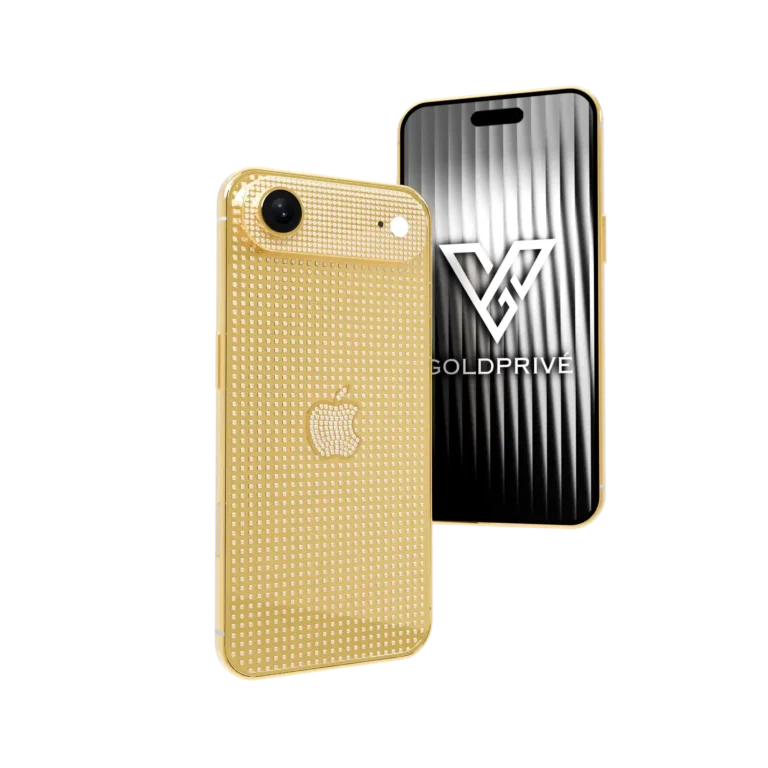
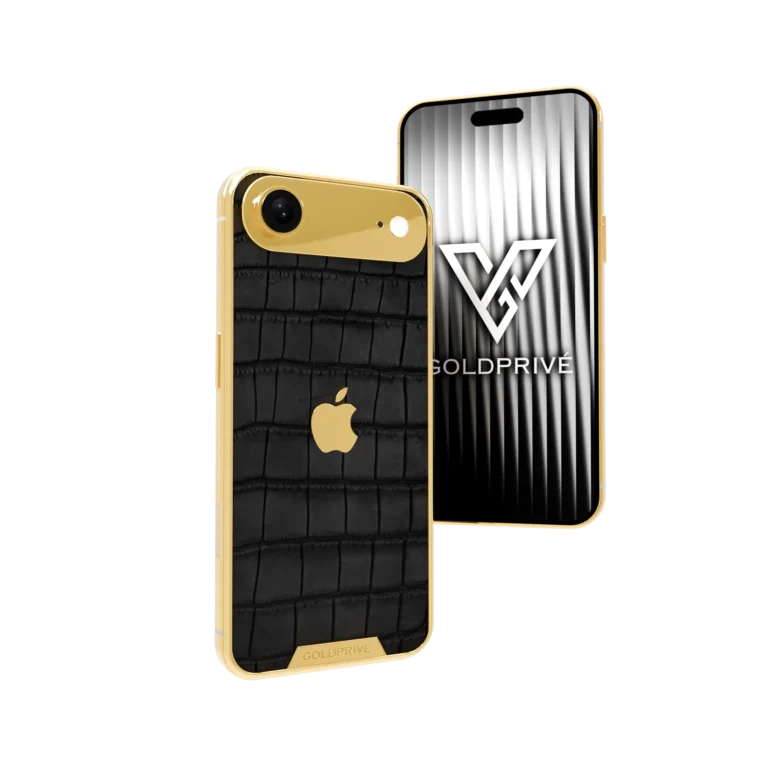
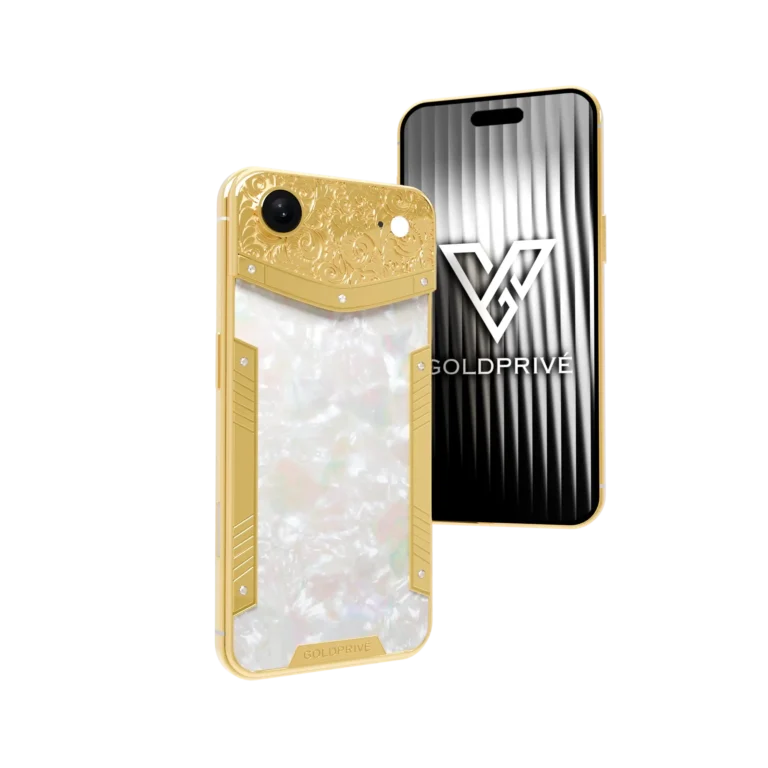
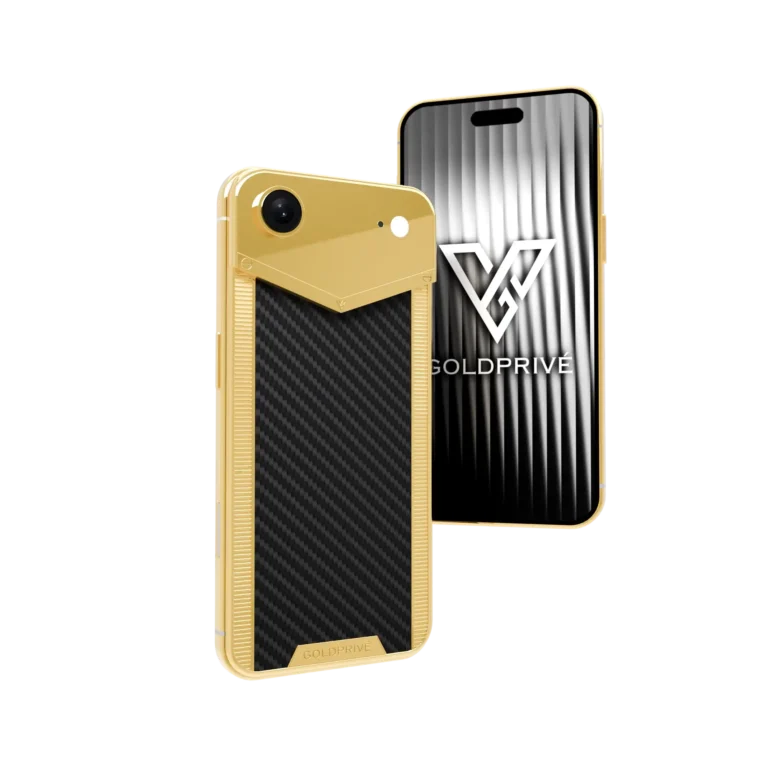
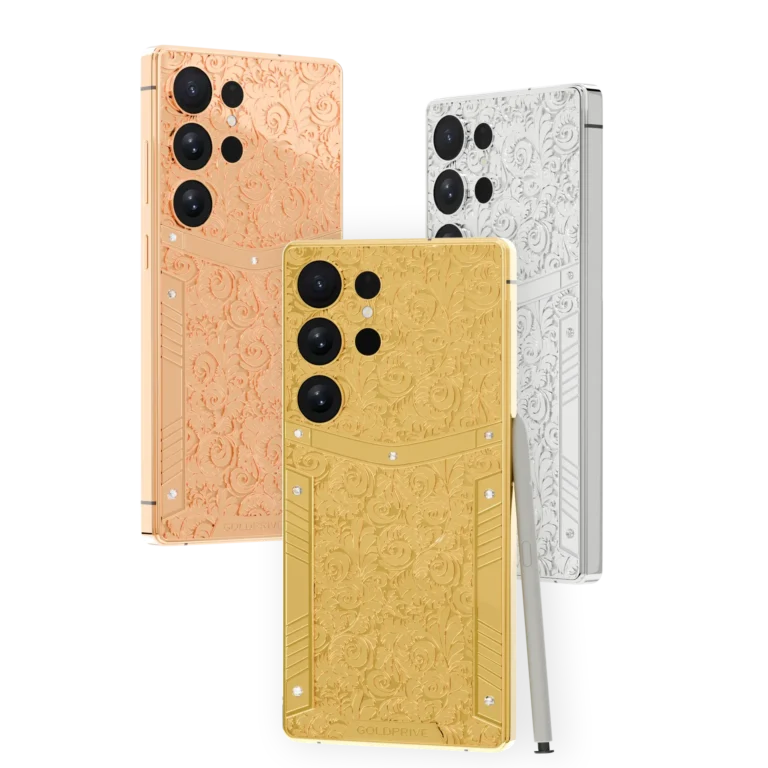
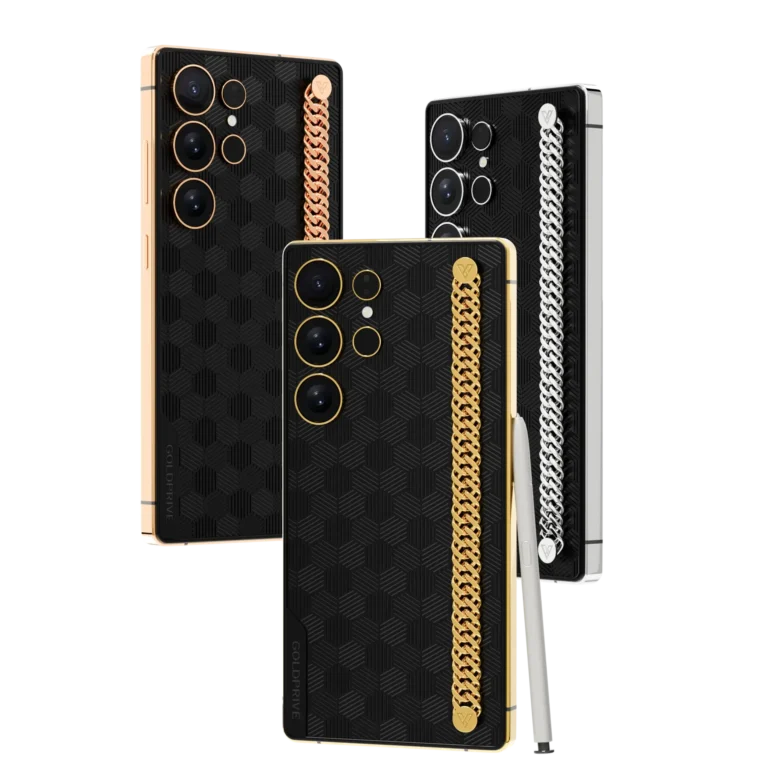
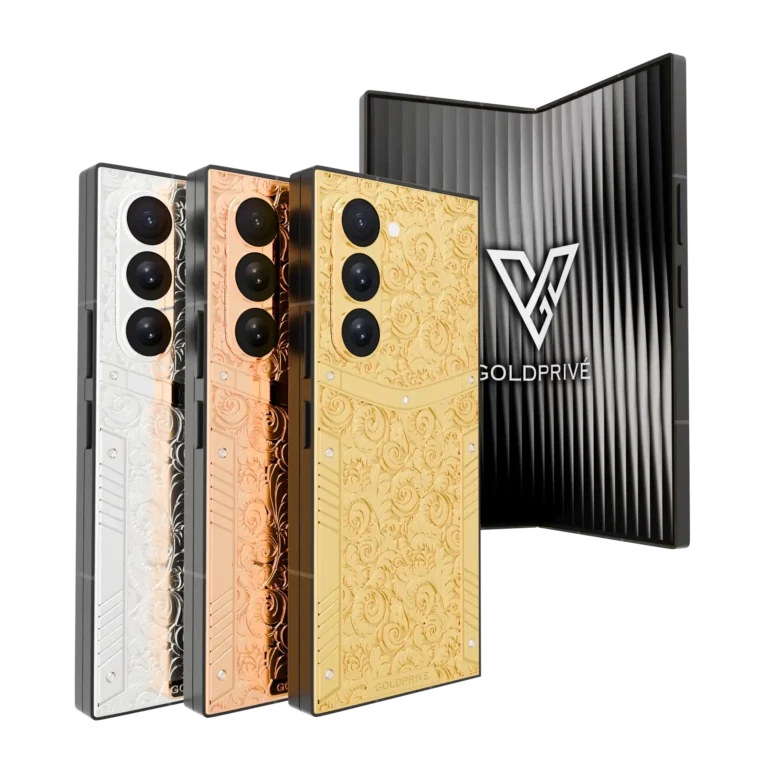
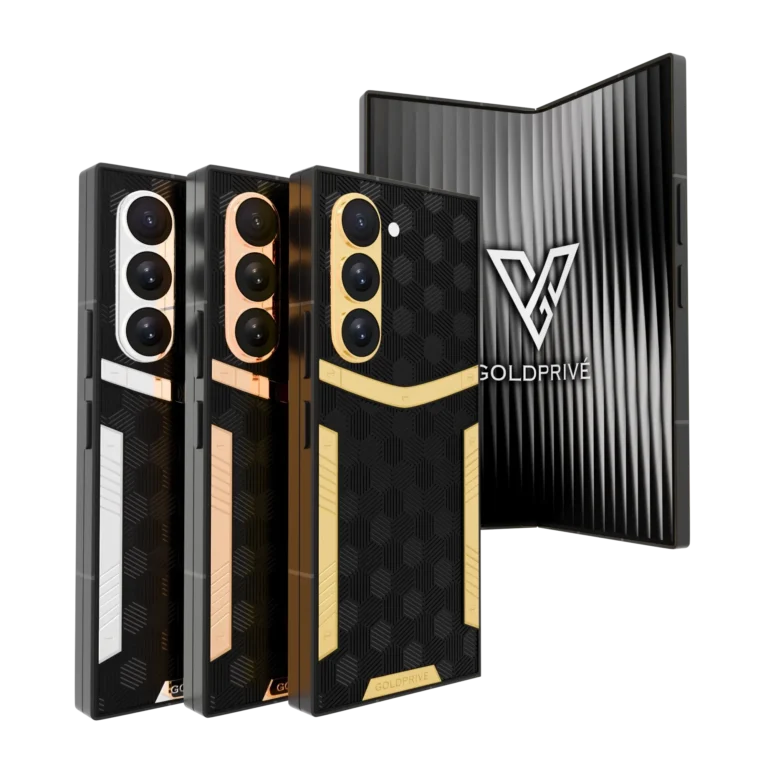
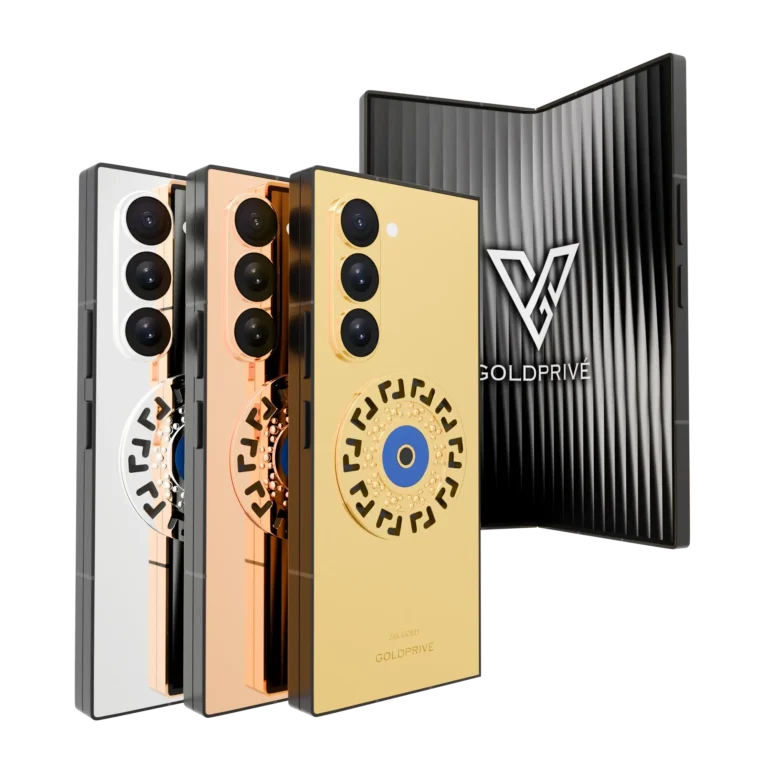
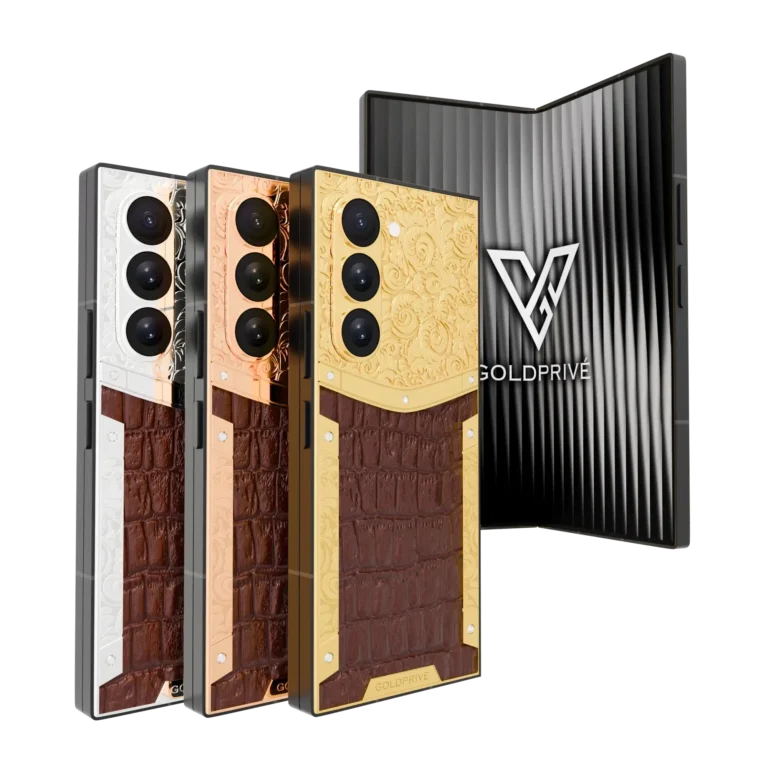
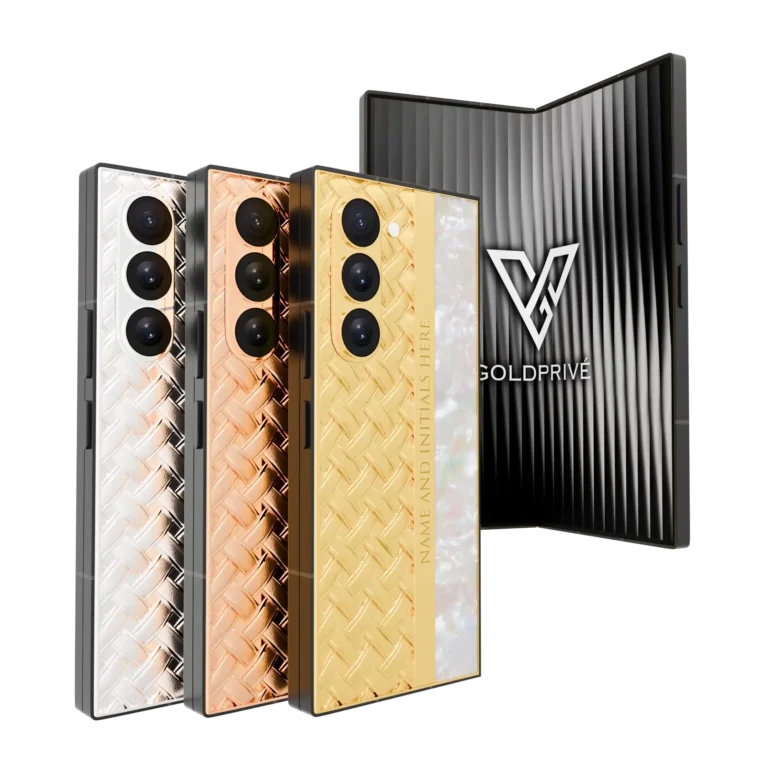
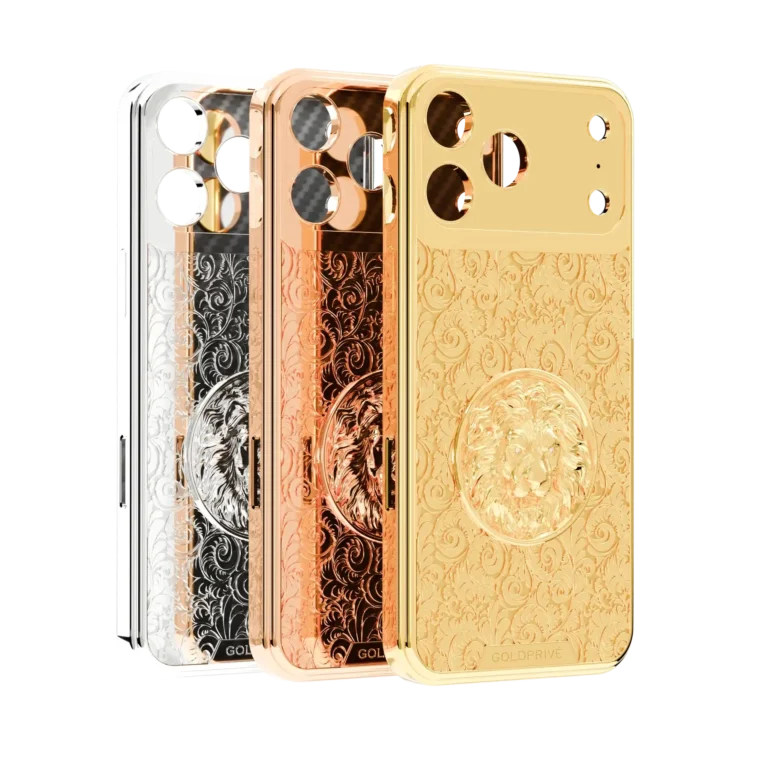
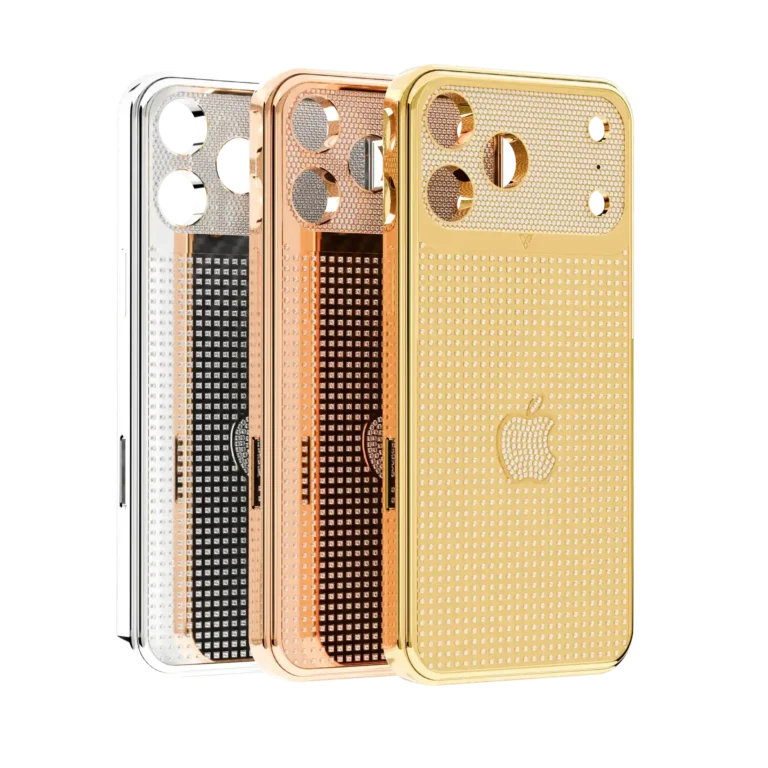
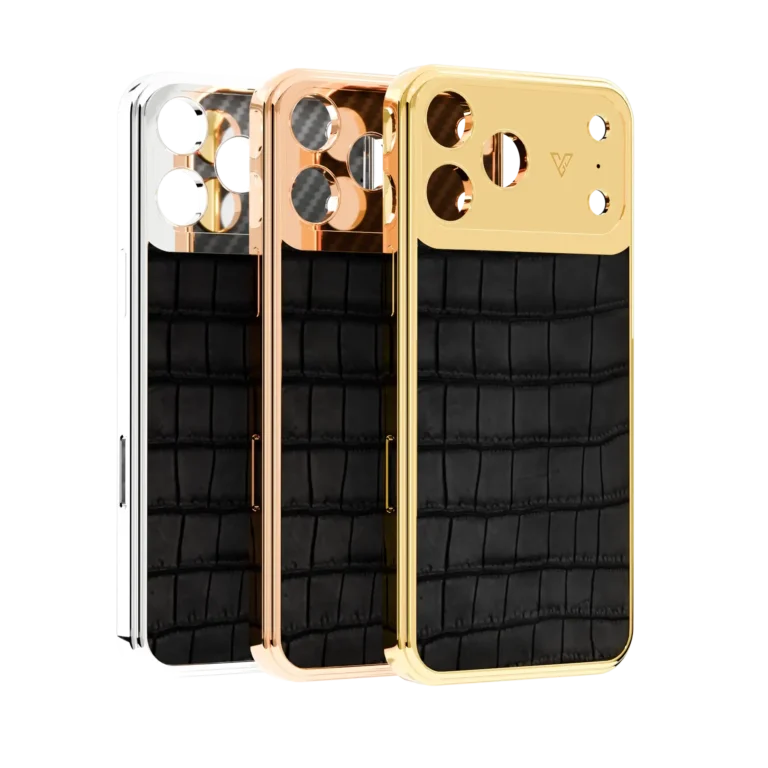
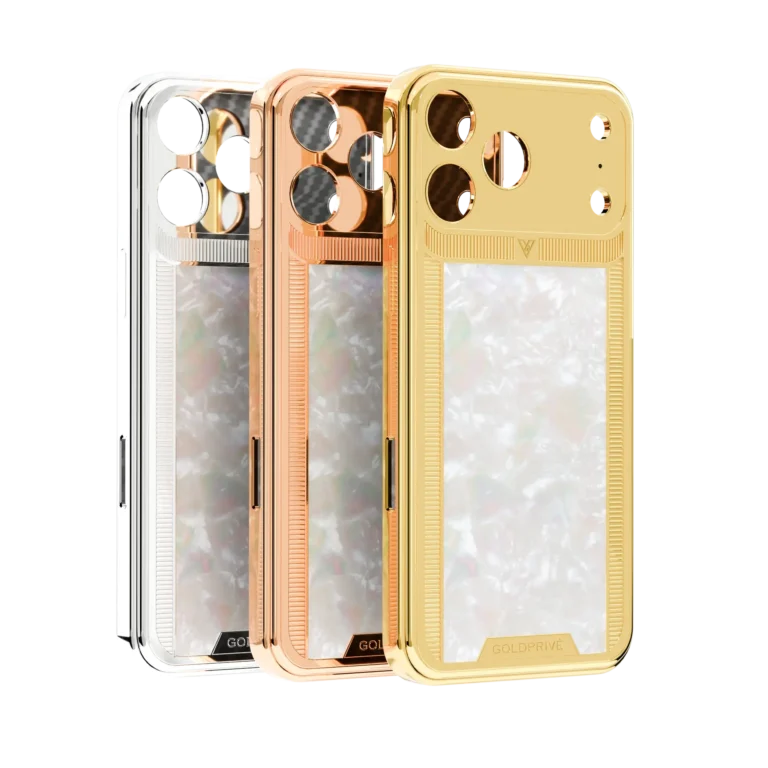
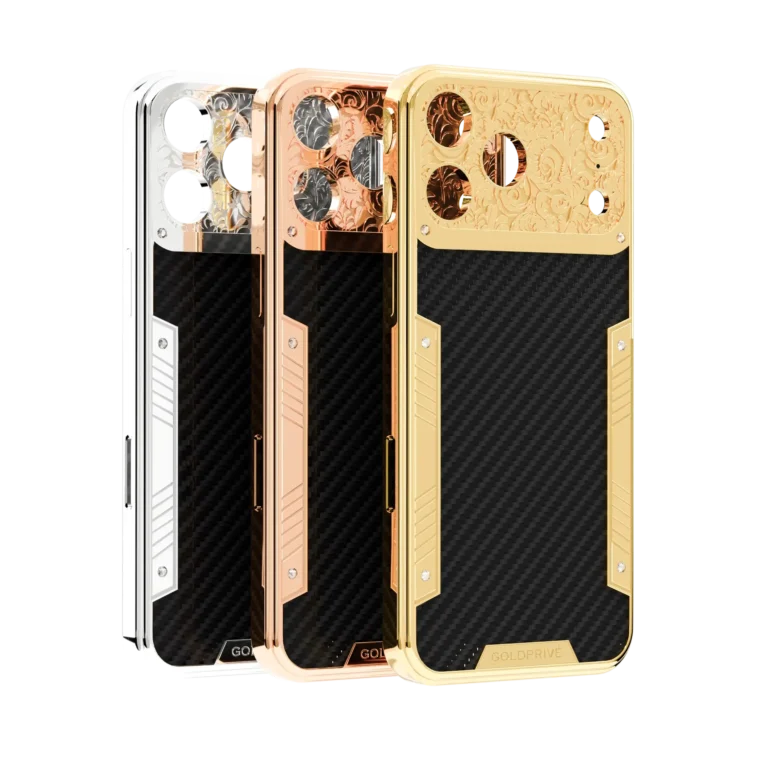
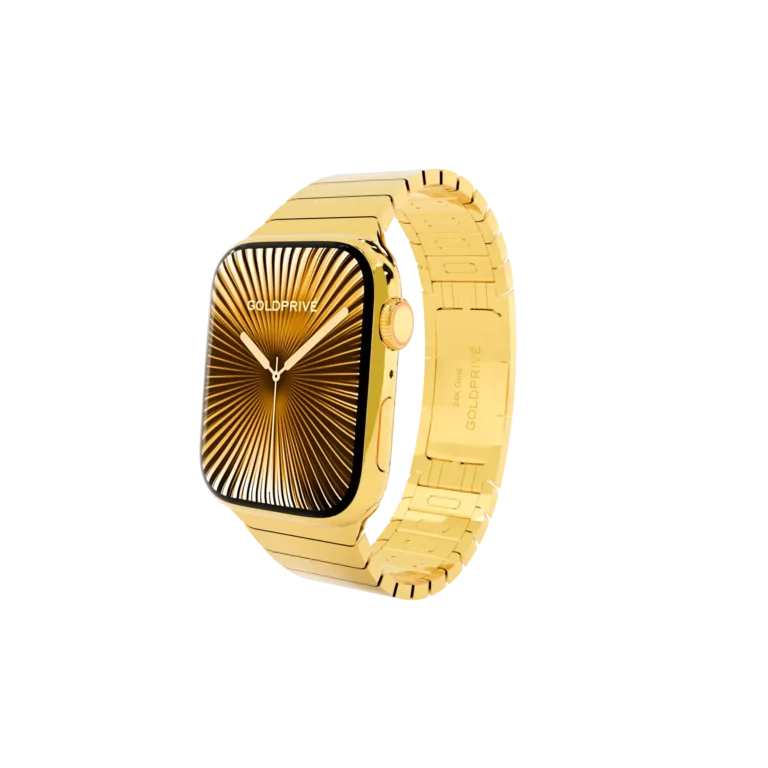
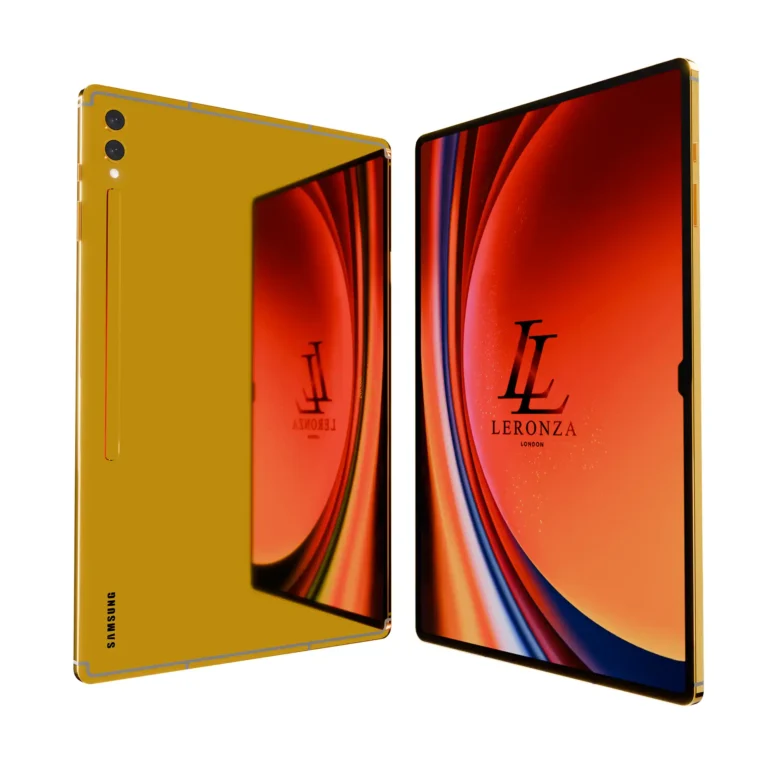
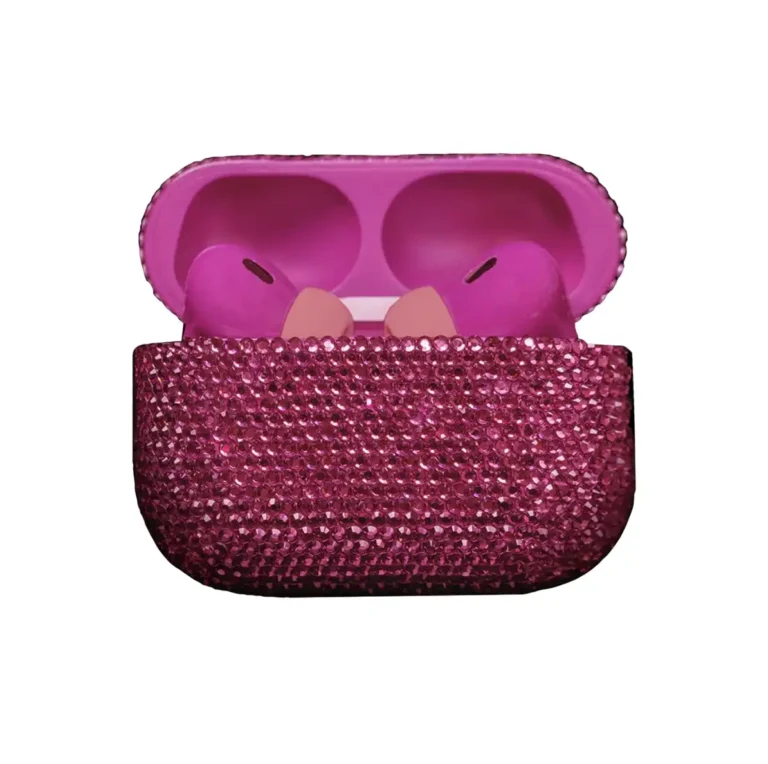
GoldPrivé’s own catalogue makes the distinction concrete rather than theoretical. A standard plated iPhone — regardless of finish — is a customized consumer good: well-made, genuinely gold, but reproducible on demand, which is precisely why it doesn’t meet the scarcity test above. Move up to something like the 24K Gold Icon Gold iPhone 18 Pro Max/Max, a numbered limited run, and two of the four criteria start to hold. Move further still, to the one-of-three Centurion iPhone 12 Pro or the diamond-set pieces traced in the history of diamond-encrusted smartphones, and every criterion except an established secondary market is satisfied.
That last gap — no tracked resale index for bespoke tech — is the honest reason this category hasn’t earned a line in KFLII yet, the same way it took decades for watches and handbags to earn theirs.
The Caveat Worth Stating Plainly
None of this makes a gold-plated iPhone a bad purchase — it makes it a different kind of purchase than a collectible. If the goal is craftsmanship, personalization, and owning something genuinely striking, GoldPrivé’s catalogue delivers that regardless of edition size. If the goal is specifically an appreciating collectible asset, that’s a much narrower slice of what’s actually on offer, and it’s worth knowing which one you’re buying before you buy it.
Questions on Where Tech Fits Among Collectibles
Does the Knight Frank Luxury Investment Index track any technology products?
No. Its ten tracked categories are watches, art, cars, wine, whisky, coins, handbags, jewellery, furniture, and coloured diamonds — technology and bespoke devices are not currently included.
Is a numbered limited edition automatically a collectible?
Not automatically, but it satisfies more of the standard criteria than a standard catalogue item, provided the run size is genuinely fixed and disclosed rather than open-ended.
What’s the single biggest reason bespoke tech isn’t tracked like watches or art?
The absence of an established, active secondary market. Watches and art have decades of recorded auction results to draw on; bespoke luxury technology, as a category, does not yet.
Does a Certificate of Authenticity make a device a collectible on its own?
It’s necessary but not sufficient. Certification supports the provenance criterion, but scarcity, craftsmanship, and market recognition still need to be present alongside it.
Should I expect a gold-plated iPhone to appreciate in value?
Generally, no. Standard plated devices are best valued as customized luxury goods rather than appreciating assets; that expectation is more realistic for genuinely scarce, verifiable commissions.
How does watch collecting compare as a model for tech collecting?
Watches offer a useful template: decades of documented production runs, grading standards, and active resale markets are what eventually earned the category its place in indices like KFLII, a path bespoke tech is still early in.
Could bespoke technology eventually be tracked the way watches and art are?
It’s plausible if the category develops the same infrastructure — consistent provenance standards, active resale data, and enough transaction volume for a benchmark to be meaningful. That hasn’t happened yet.
The honest position is somewhere between the marketing claim and the dismissal: bespoke tech isn’t a recognized collectible category yet, but the pieces that behave like one — scarce, documented, individually crafted — already share the DNA of the categories that are. The rest is simply well-made luxury, which is its own reasonable thing to want.
Considering a piece built around genuine scarcity rather than a catalogue run?