Blog
Why Status Symbols Are Changing: What Wealth Actually Buys in 2026

Wealth used to announce itself. A logo, a monogram, a badge on the boot lid — the entire point was that a stranger across the room could clock it instantly. That model is losing ground, and the replacement says something quieter but far more specific about the person who owns it.
People now qualify as ultra-high-net-worth globally (net worth above $30 million), according to Knight Frank’s Wealth Report 2026 — with roughly 89 people crossing that threshold every single day over the past five years.
That’s not a slow trickle of new money. It’s a rapidly expanding population, and what they’re choosing to spend on has shifted in a way that changes what “status symbol” even means in 2026.
The Old Playbook Is Losing Its Grip
For most of the last century, luxury worked on visibility. You bought the thing everyone recognized, and recognition was the entire transaction — the object mattered less than what it signaled to onlookers. Knight Frank’s own research traces this shift back further than most people assume; a note in its 2009 report already flagged “a tangible shift towards something more considered in terms of consumption and lifestyle,” years before quiet luxury became a headline phrase.
HSBC’s Erwan Rambourg puts the more recent collapse of that model bluntly: legacy luxury brands, he argues, “became way too expensive and way too repetitive.” The younger wealthy cohort didn’t lose interest in luxury itself — they lost patience with a value proposition that stopped delivering anything beyond a recognizable logo.
“A more quiet, sustained, careful, conscious-based wealth.”— Martin Raymond, The Future Laboratory, on the shift away from overt luxury signaling
What’s Replacing Logo-Driven Status
The Wealth Report frames the emerging divide as “conspicuous taste” replacing “conspicuous consumption” — a shift from buying to be seen, toward collecting and commissioning things that reflect actual discernment. Provenance, privacy, and specificity now do the work a visible brand mark used to do. The wealthy still want to be recognized by people who understand what they’re looking at; they’ve simply stopped needing everyone else to understand it too.
Where Bespoke Technology Fits Into This
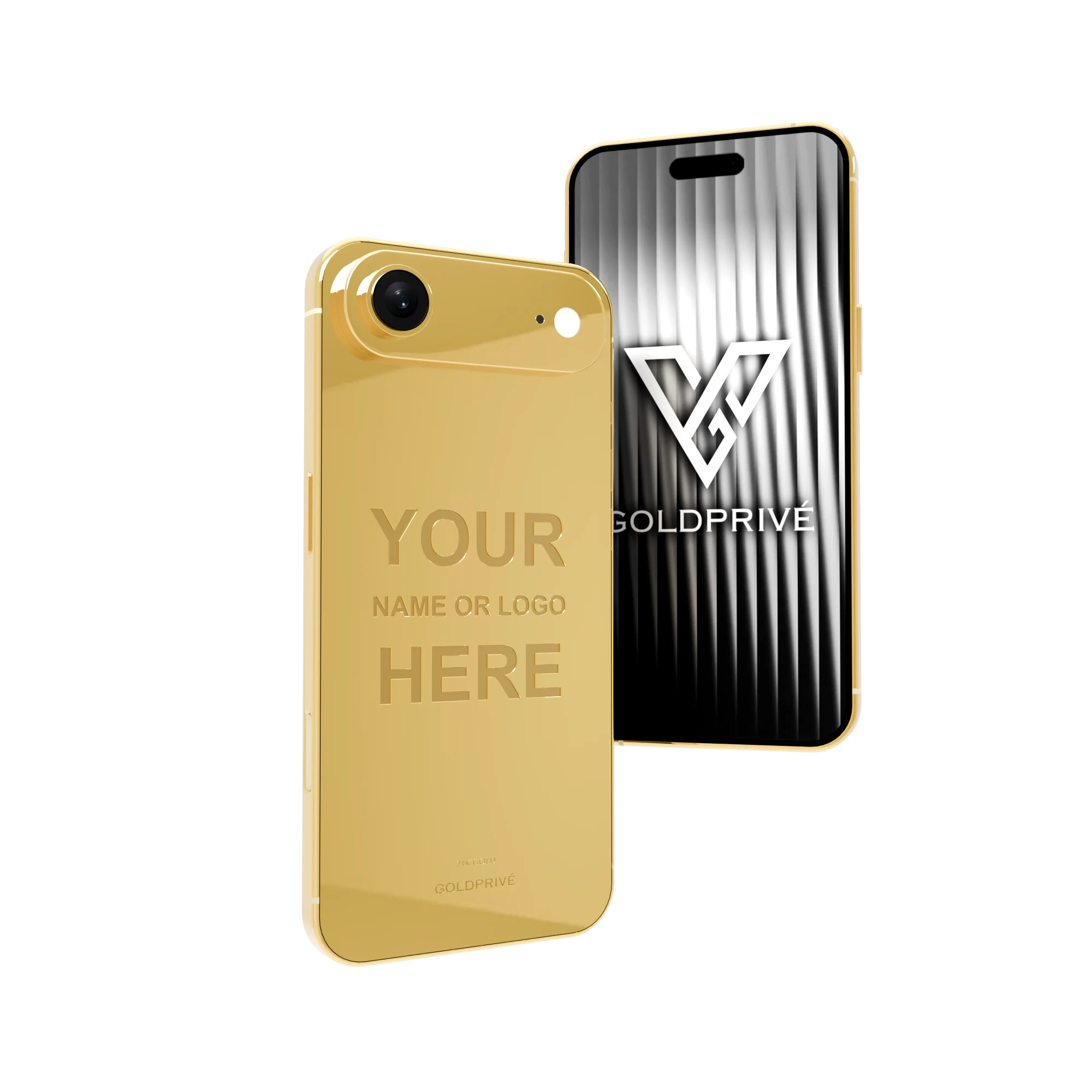
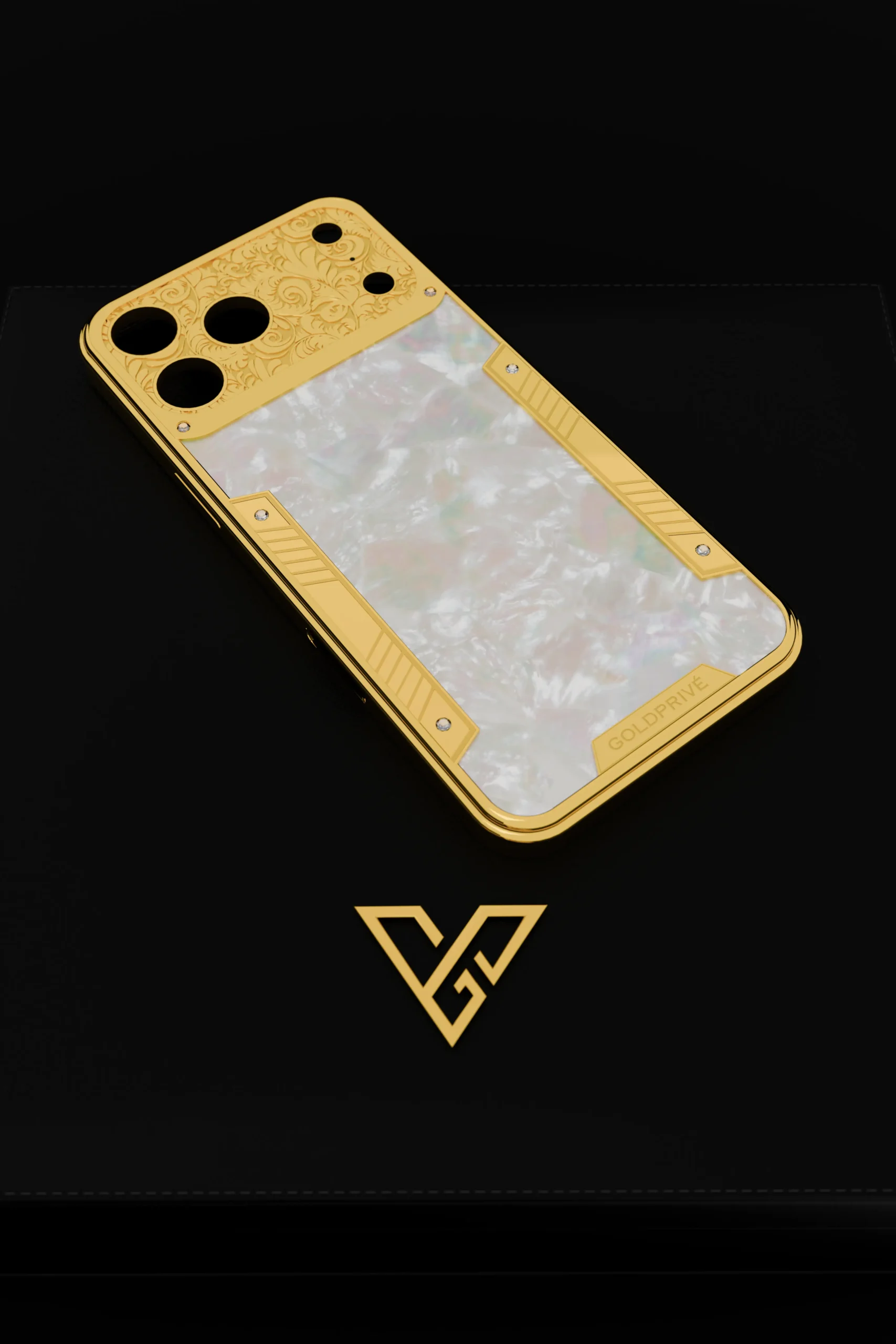
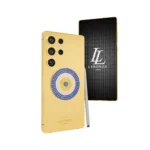
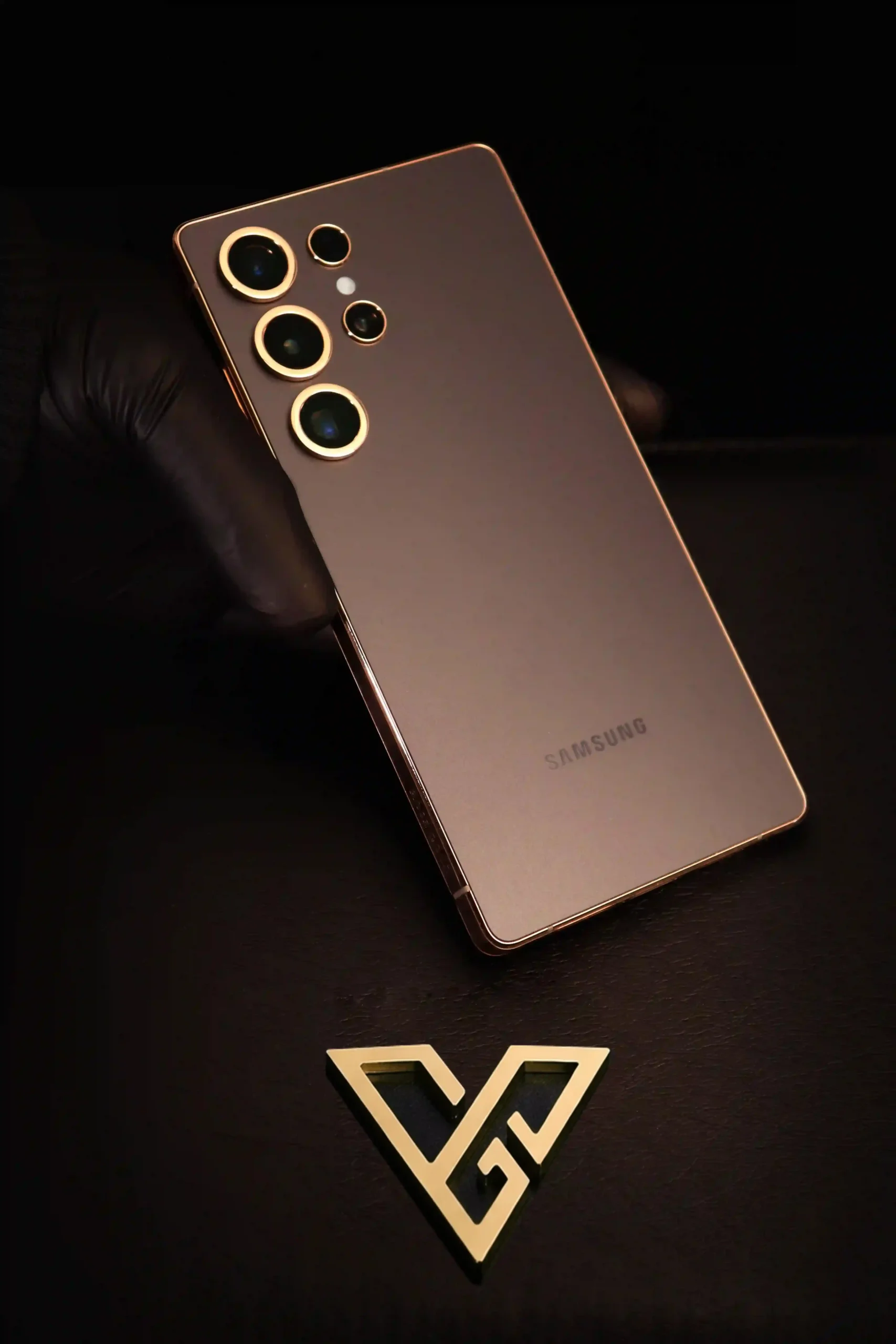
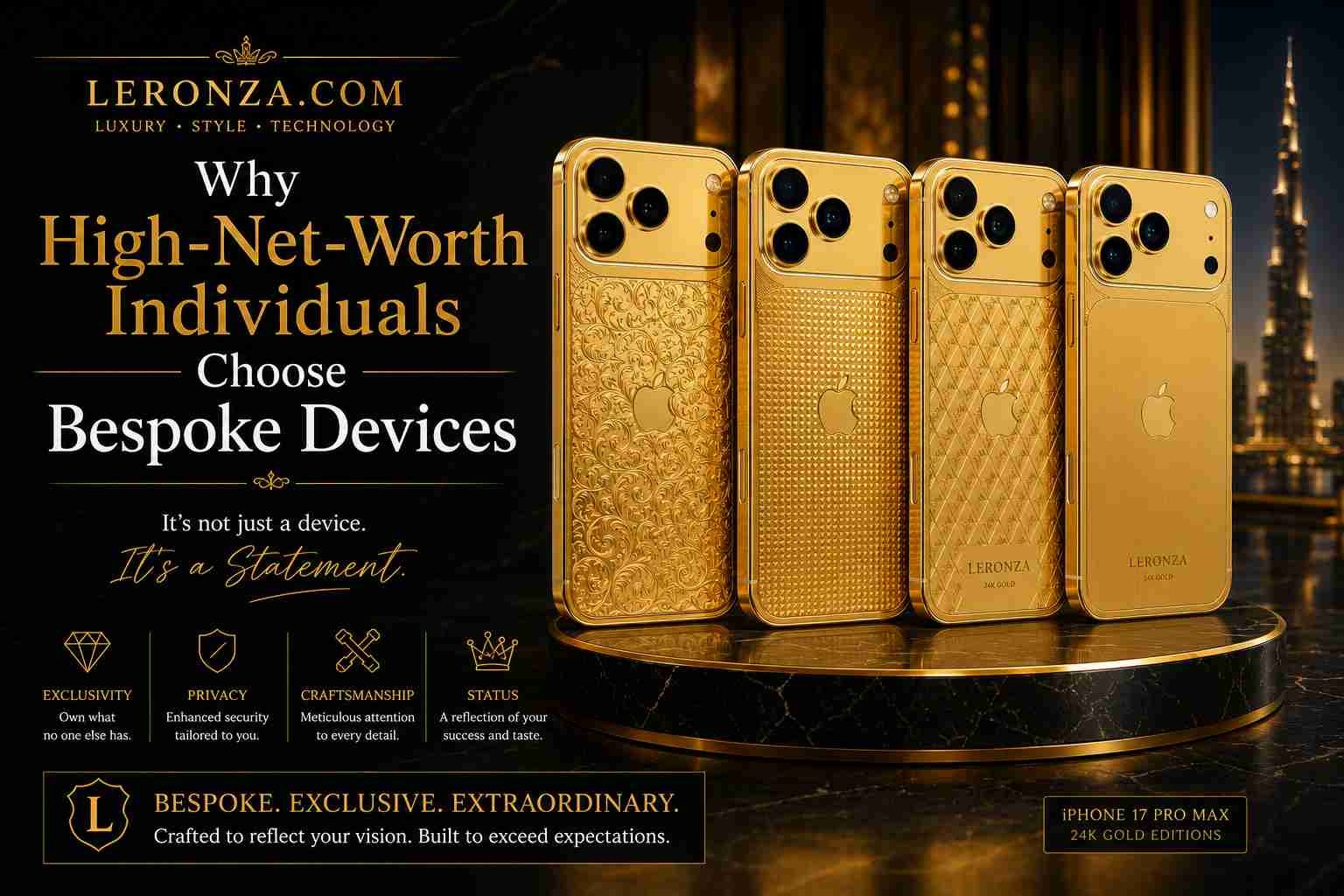
This is precisely the gap Leronza’s own client base sits in. A mass-produced flagship phone, however expensive, is still identical to millions of others in every pocket — it signals purchasing power, not taste or provenance. A commissioned piece works differently, which is exactly the distinction explored in why high-net-worth individuals choose bespoke devices: the value isn’t in the brand name on the box, it’s in the fact that the specific object in your hand doesn’t exist anywhere else in that exact form.
That distinction is also why the difference between a numbered limited run and a genuinely singular commission matters more than it might first appear — a question examined directly in what actually makes a device a genuine limited edition. Provenance only functions as a status marker if it can actually be verified, not merely claimed.
Two Eras, Side by Side
| Signal | Old Model | Current Model |
|---|---|---|
| What’s valued | Recognizability by strangers | Recognizability by peers who understand what they’re seeing |
| How it’s acquired | Purchased off the shelf | Commissioned or personalized directly |
| Proof of authenticity | The brand logo itself | Verifiable provenance — documentation, certification, numbering |
| Relationship to ownership | Owning as many recognizable items as possible | Owning fewer things, chosen more deliberately |
| Underlying motivation | Being seen to have arrived | Having something that reflects a specific choice |
What This Actually Means If You’re Deciding How to Spend
- A recognizable logo isn’t doing what it used to. If the goal is signaling taste rather than spending power, an identical mass-produced item works against you, not for you.
- Ask what’s actually provable. As the Wealth Report’s “conspicuous taste” framing suggests, an object’s value increasingly rests on what can be verified about it — who made it, how many exist, whether it’s genuinely one of a kind — not on brand recognition alone.
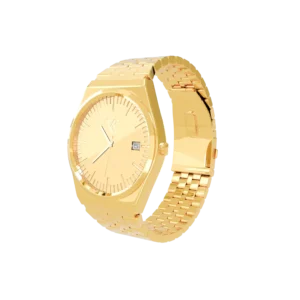
- Consider gifting through this same lens. The comparison in is a 24K gold iPhone a better gift than a watch runs directly into this shift: a watch signals via brand, a commissioned piece signals via specificity.
- Material choice is part of the story now, not just the finish. Decisions like those covered in choosing between gold, platinum, and diamonds for a bespoke phone function as part of a considered choice rather than a default upgrade.
None of This Means Status Symbols Disappeared
It’s worth being clear about what this shift isn’t. The ultra-wealthy haven’t stopped caring how their possessions read to others — the superyacht market alone grew roughly 70% in value through 2025, hardly the behaviour of a population retreating from visible luxury altogether. What’s changed is the audience the signal is aimed at, and the kind of proof that audience now expects before it’s convinced.
Questions Worth Answering Directly
Has the ultra-wealthy population actually grown, or does it just feel that way?
It has genuinely grown. Knight Frank’s Wealth Report 2026 puts the global ultra-high-net-worth population at 713,626, with roughly 89 people crossing the $30 million threshold every day over the past five years.
Does “quiet luxury” mean spending less?
Not necessarily. It typically means spending differently — toward experiences, provenance, and personalization rather than visibly branded goods — not spending at a lower level overall.
Why would a commissioned device signal more than a recognizable luxury brand?
Because a branded item, however expensive, is identical to every other unit sold. A commissioned piece is singular by definition, which is a different and increasingly more valued kind of signal among wealthy buyers.
Is this shift limited to younger wealthy consumers?
The trend is most visible among younger cohorts, but the broader move toward “considered consumption” was already noted by Knight Frank as far back as 2009, suggesting it’s a longer-running shift rather than a generational fad alone.
What role does provenance actually play in an object’s value?
Provenance — documented, verifiable history and authenticity — increasingly determines whether an object is treated as a serious piece or simply an expensive one. This is why verification processes matter as much as the materials themselves.
Does this trend apply to technology specifically, or mainly to art and watches?
It applies broadly. Technology and infrastructure are noted in the Wealth Report as emerging investment and lifestyle themes in their own right, alongside more traditional collecting categories like art and watches.
Is buying a mass-market luxury phone still a reasonable status choice?
It still communicates purchasing power clearly. What it no longer communicates, in the way it once did, is discernment or individuality — the qualities that increasingly define status among wealthy buyers today.
The takeaway isn’t that logos are dead or that branded luxury has lost all meaning. It’s that the story an object tells now matters as much as the name printed on it — and increasingly, that story has to hold up to scrutiny rather than just catch the light.
Own something with a story only you can tell.