Blog
The Great Wealth Transfer Is Reshaping High-Net-Worth Lifestyle


Nobody actually agrees on how much money is about to change hands. Cerulli Associates puts the coming generational wealth transfer at roughly $105 trillion by 2048. Other estimates run past $124 trillion. CNBC’s own reporting frames the honest range as anywhere from $36 trillion to over $100 trillion, depending on whose methodology you trust. What every estimate agrees on is the direction: an enormous amount of money is about to land with people who didn’t build it — and that changes what “high-net-worth lifestyle” actually looks like far more than any single number does.
Every serious estimate of the coming intergenerational wealth transfer disagrees on the exact figure, but all of them describe the same underlying shift: control moving from the generation that built the wealth to one that grew up with entirely different expectations of ownership, access, and taste.
What Family Offices Are Already Doing About It
This isn’t a distant hypothetical being planned for — it’s already reshaping how money moves. Knight Frank’s 2026 Family Office Survey, built on interviews with more than 40 family offices across London, New York, Dubai, Singapore, and Hong Kong, found that family offices have been the single largest buyers of global commercial real estate for five consecutive years, deploying $464 billion in 2025 alone. Dubai’s inclusion in that survey isn’t incidental — it’s one of the specific hubs family offices are consolidating around, a pattern explored locally in why Dubai is the global hub for luxury technology.
| Signal | What the Data Shows |
|---|---|
| Global wealth transfer estimate | $36 trillion to $124 trillion over the next two decades, depending on methodology |
| Portion likely to stay invested | An estimated $28 trillion, per Visa’s analysis, rather than being spent down |
| Family office real estate deployment, 2025 | $464 billion — a fifth consecutive year as the largest buyer segment |
| Family offices surveyed across hubs | 40+, spanning London, New York, Dubai, Singapore, and Hong Kong |
Why the Next Generation Doesn’t Inherit Their Parents’ Taste
Knight Frank’s survey work turned up something more specific than “younger heirs are different”: the rising generation wants instant, real-time visibility into their own holdings and frequently moves away from the wealth managers their parents used, in favor of firms whose technology and advisory style actually matches how they expect to interact with their own money.
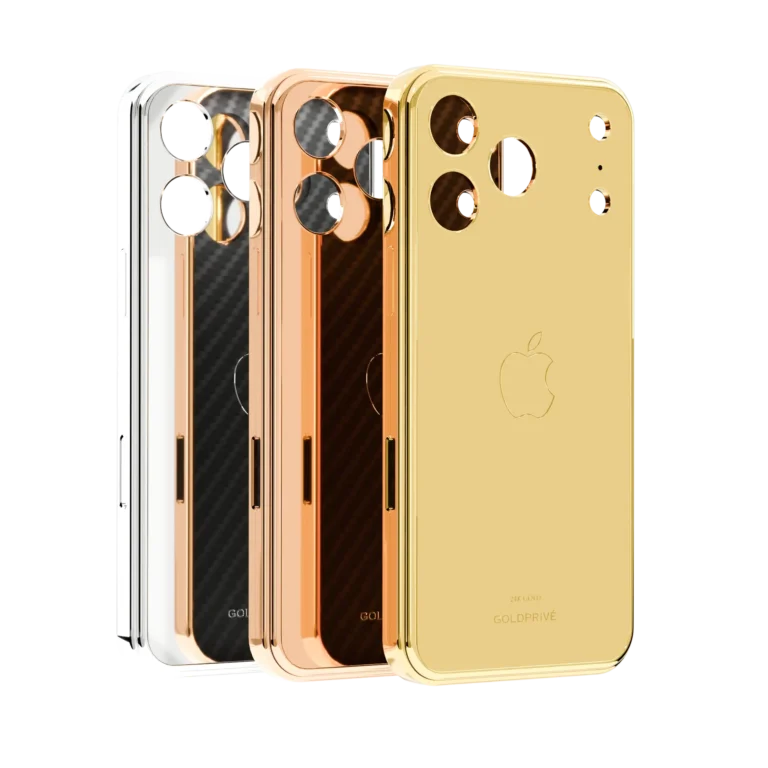
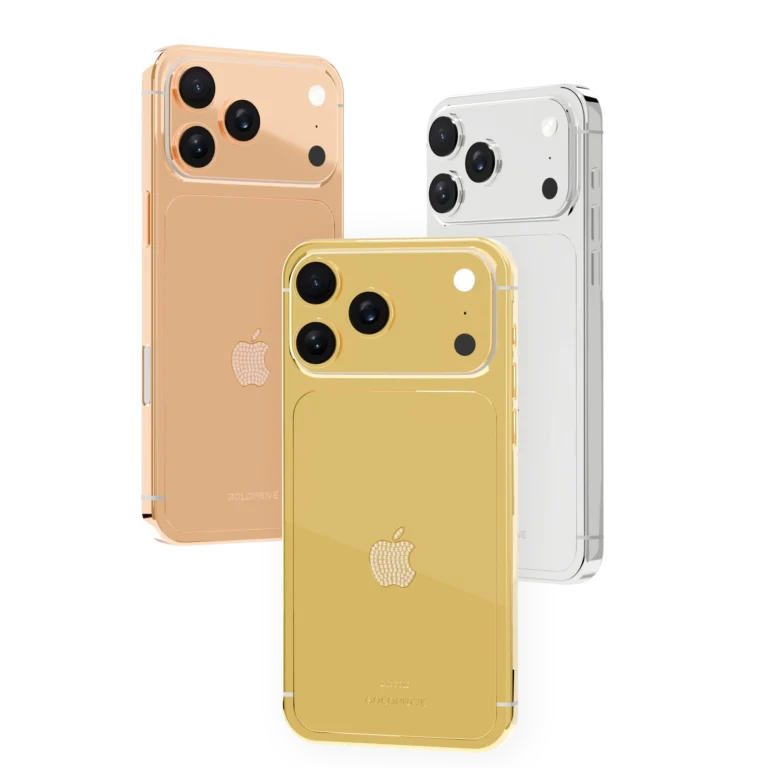
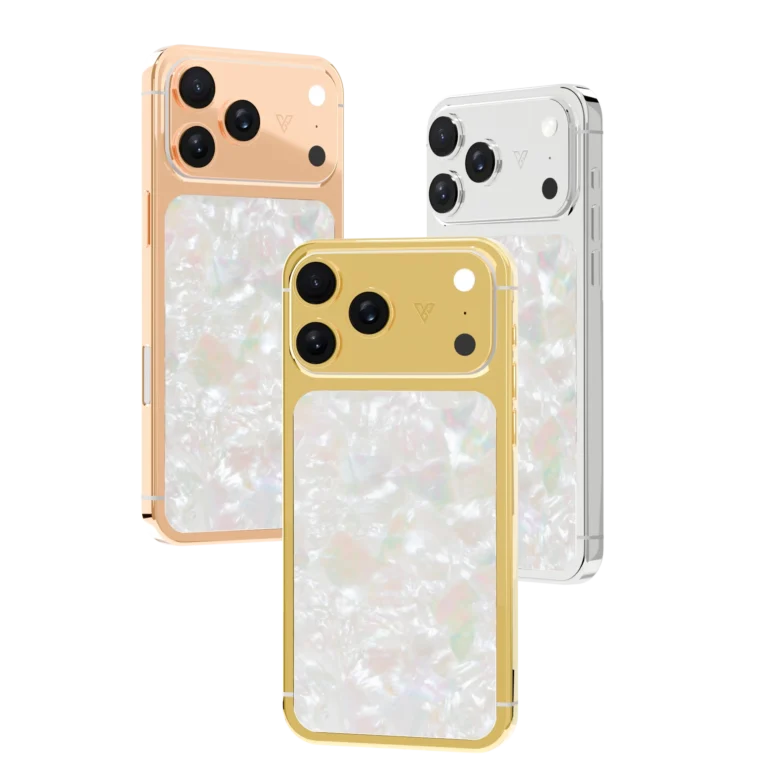
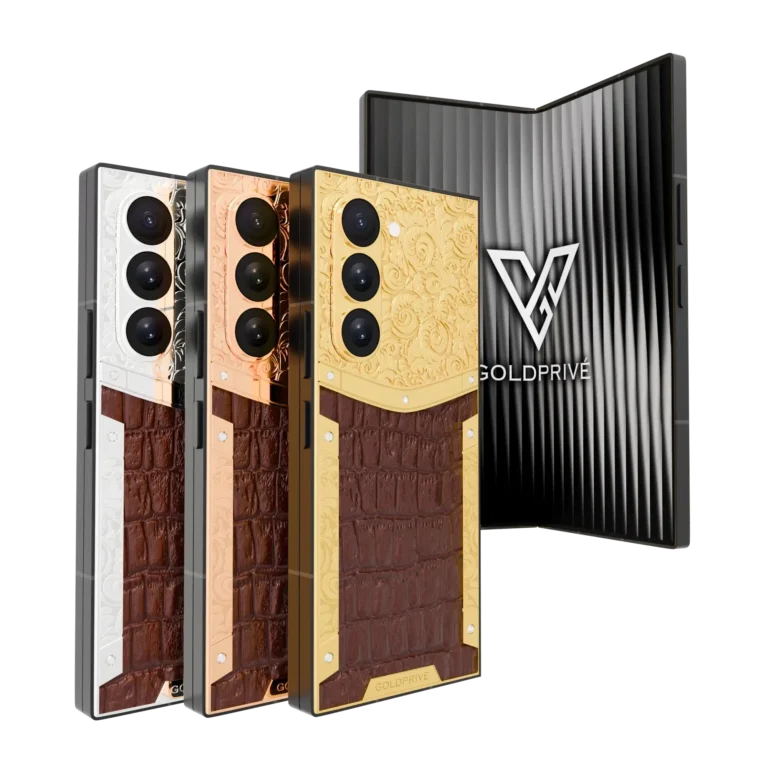
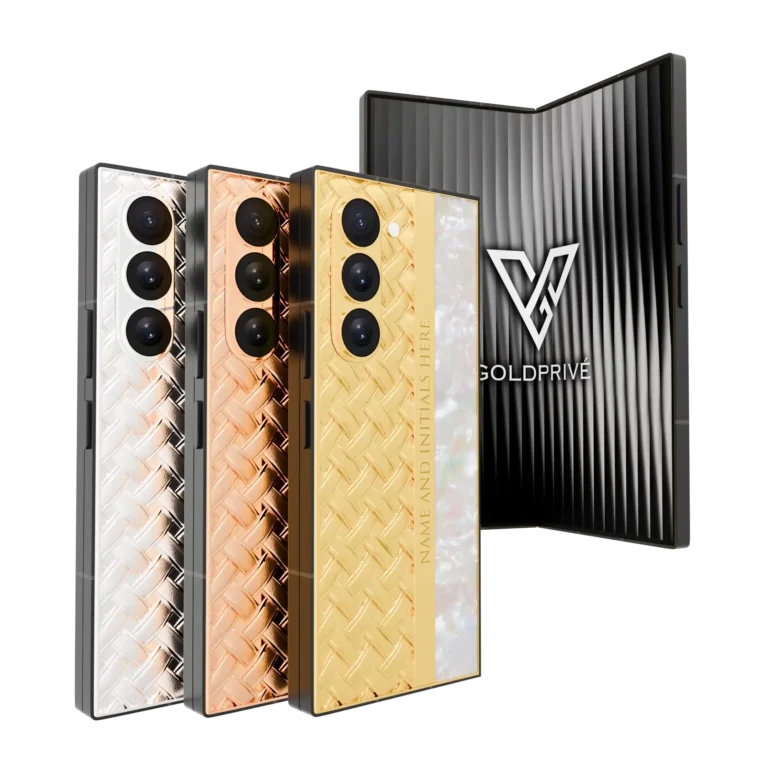
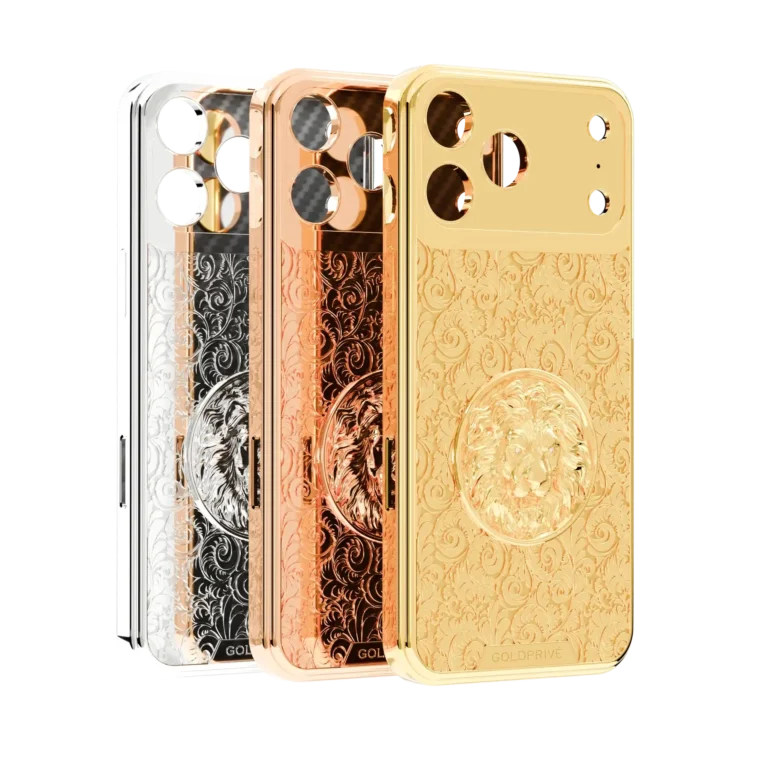
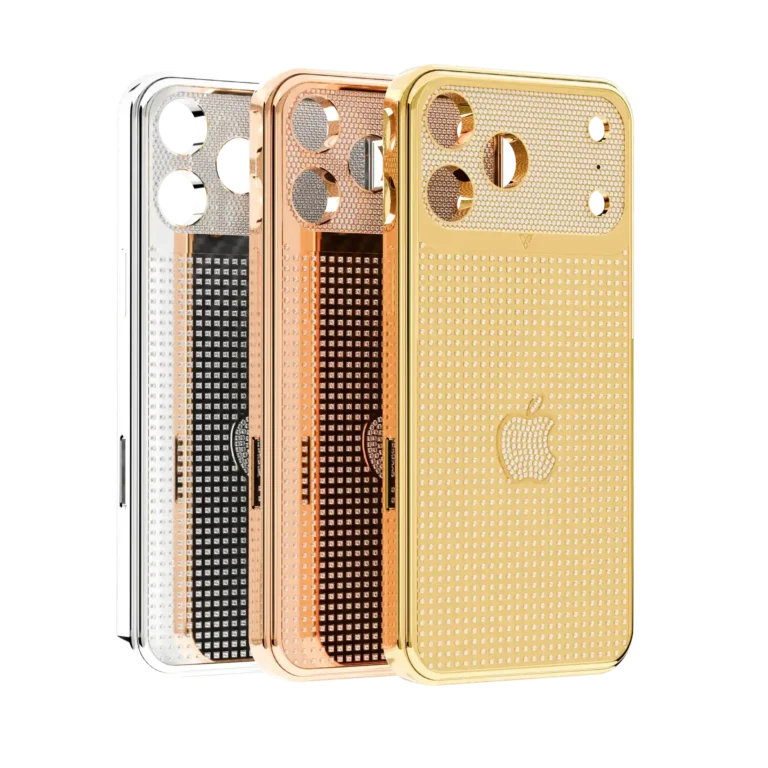
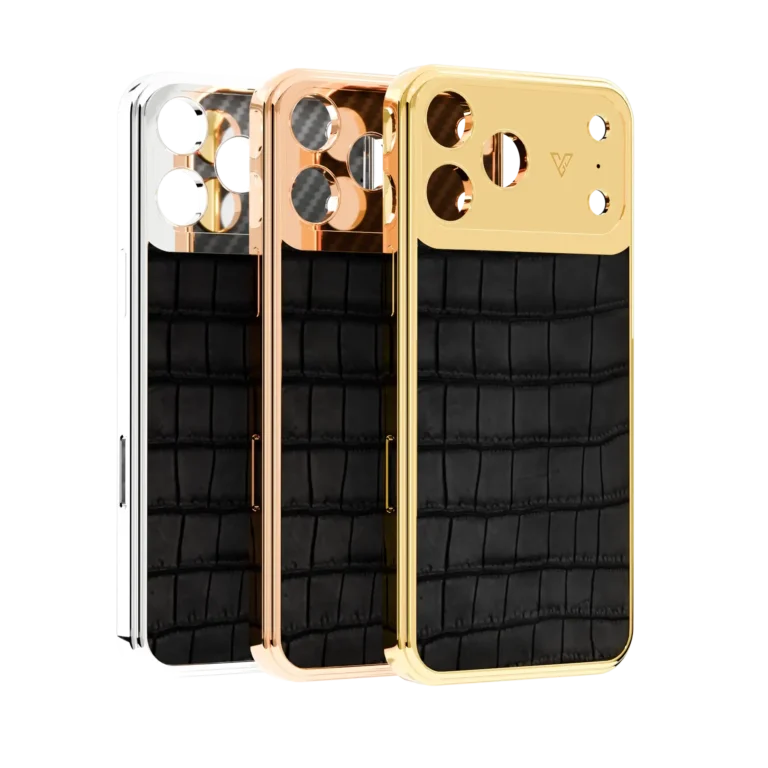
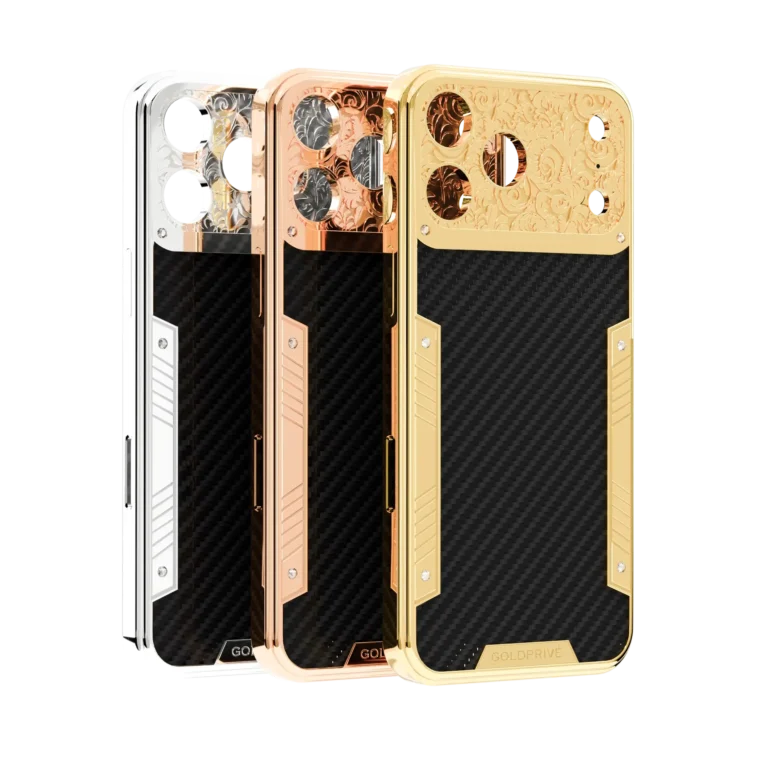
It’s a reasonable extension of that pattern — not a proven fact, but a consistent one — that the same preference for direct control shows up in what heirs choose to own, not just how they manage what they’ve inherited. That lines up closely with what Leronza sees directly in who actually commissions gold iPhones, and why: a preference for something personally chosen over something simply passed down or bought because it carries a familiar name.
Inherited Approach
Loyalty to the wealth manager, jeweller, or brand the family has always used. Possessions chosen to fit in with an established identity.
Next-Generation Approach
Direct, real-time control over decisions. Possessions and advisors chosen individually, on their own terms, rather than inherited by default.
Where This Actually Shows Up in Daily Life
High-net-worth lifestyle, in practice, isn’t one fixed thing — it’s a set of decisions repeated across categories, and the wealth transfer is currently rewriting most of them at once. The considerations covered in gold iPhone for business executives and why high-net-worth individuals choose bespoke devices both describe a buyer who wants a piece that reflects them specifically, not their family’s default choices. That’s consistent with the broader “meaning over product” shift already measured in what luxury lifestyle actually means now, and it’s the same underlying logic behind why status symbols are changing away from brand visibility and toward verifiable, personal provenance.
Gifting sits inside this shift too. The comparison in is a 24K gold iPhone a better gift than a watch is really a version of the same question a new generation of heirs is asking about everything they acquire: does this reflect a category I’m supposed to want, or something I actually chose?
Further Reading Across This Series
Is bespoke tech a collectible?
Cost of a one-of-one commission
Buying in Dubai
First-time buyer FAQ
Questions About Wealth Transfer & Lifestyle
How much wealth is actually expected to change hands?
Estimates vary significantly by methodology, ranging from roughly $36 trillion to over $124 trillion over the next two decades, with Cerulli Associates specifically projecting around $105 trillion by 2048.
Will most of this inherited wealth be spent or reinvested?
Visa’s analysis estimates around $28 trillion of the transfer is likely to remain invested rather than spent, though this varies by individual circumstances and asset type.
Why do family offices matter to this story?
Family offices manage a large share of the wealth in transition, and Knight Frank’s 2026 survey found them to be the largest buyers of global commercial real estate for five consecutive years, deploying $464 billion in 2025 alone.
Is Dubai actually significant in this shift, or just a convenient example?
It’s genuinely significant. Dubai was one of the specific hubs included in Knight Frank’s 2026 family office survey, reflecting its established role as a base for family offices alongside London, New York, Singapore, and Hong Kong.
Do younger heirs actually switch away from their family’s wealth managers?
Research indicates this happens frequently, driven by a preference for real-time digital access and advisory relationships that match how the rising generation expects to interact with their finances.
Does this generational shift affect luxury purchases beyond financial services?
It’s a reasonable pattern to expect, based on the same underlying preference for direct, personal choice over inherited defaults, though this connection is an extension of the wealth management findings rather than a directly measured statistic.
Should the wide range in wealth transfer estimates make me skeptical of the trend itself?
Not of the underlying trend, no. The estimates disagree on scale, not on direction. Every methodology points to a substantial transfer already underway, just with different assumptions about timing and total value.
The exact figure was never really the point. What matters is that an entire generation is about to make its own decisions with money it didn’t earn — and early evidence suggests those decisions favor direct control and personal relevance over inherited habit, in wealth management and, quite plausibly, in everything else they choose to own.
Own something chosen on your own terms, not passed down by default.