Blog
Electroplating vs. Gold Leaf: The Science of Gold Plating

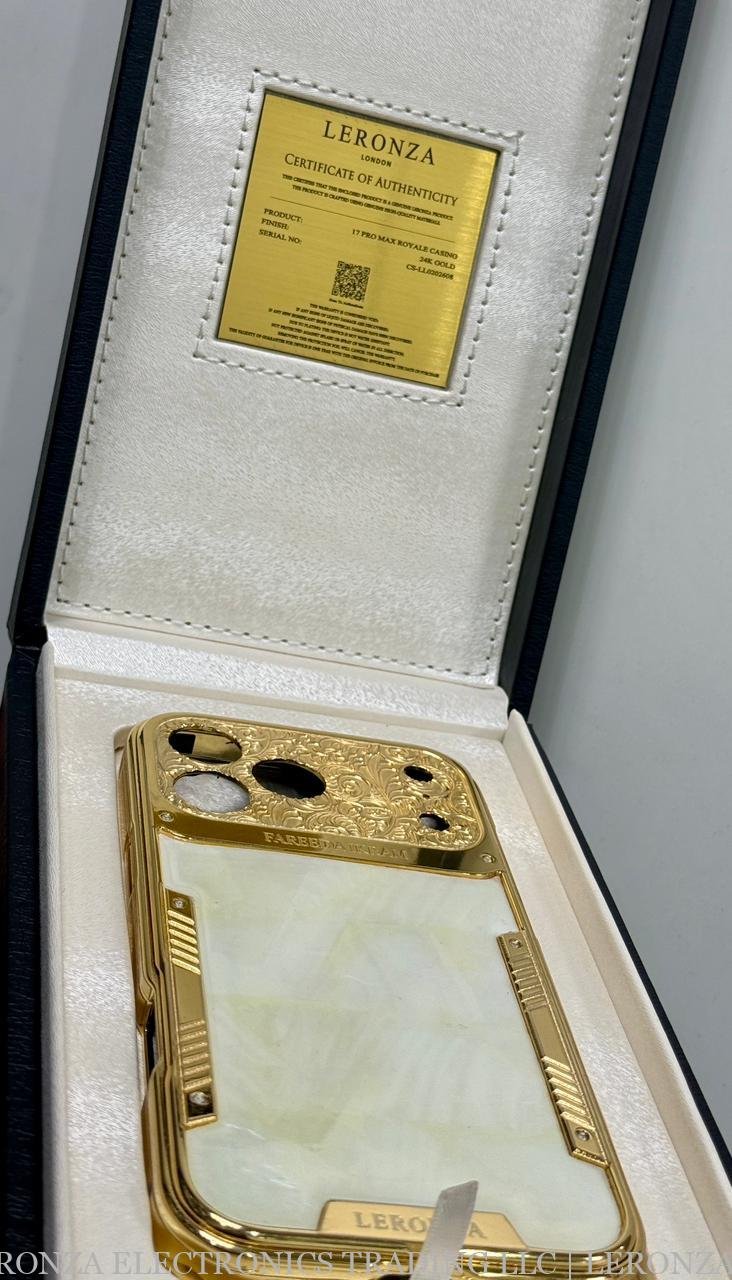
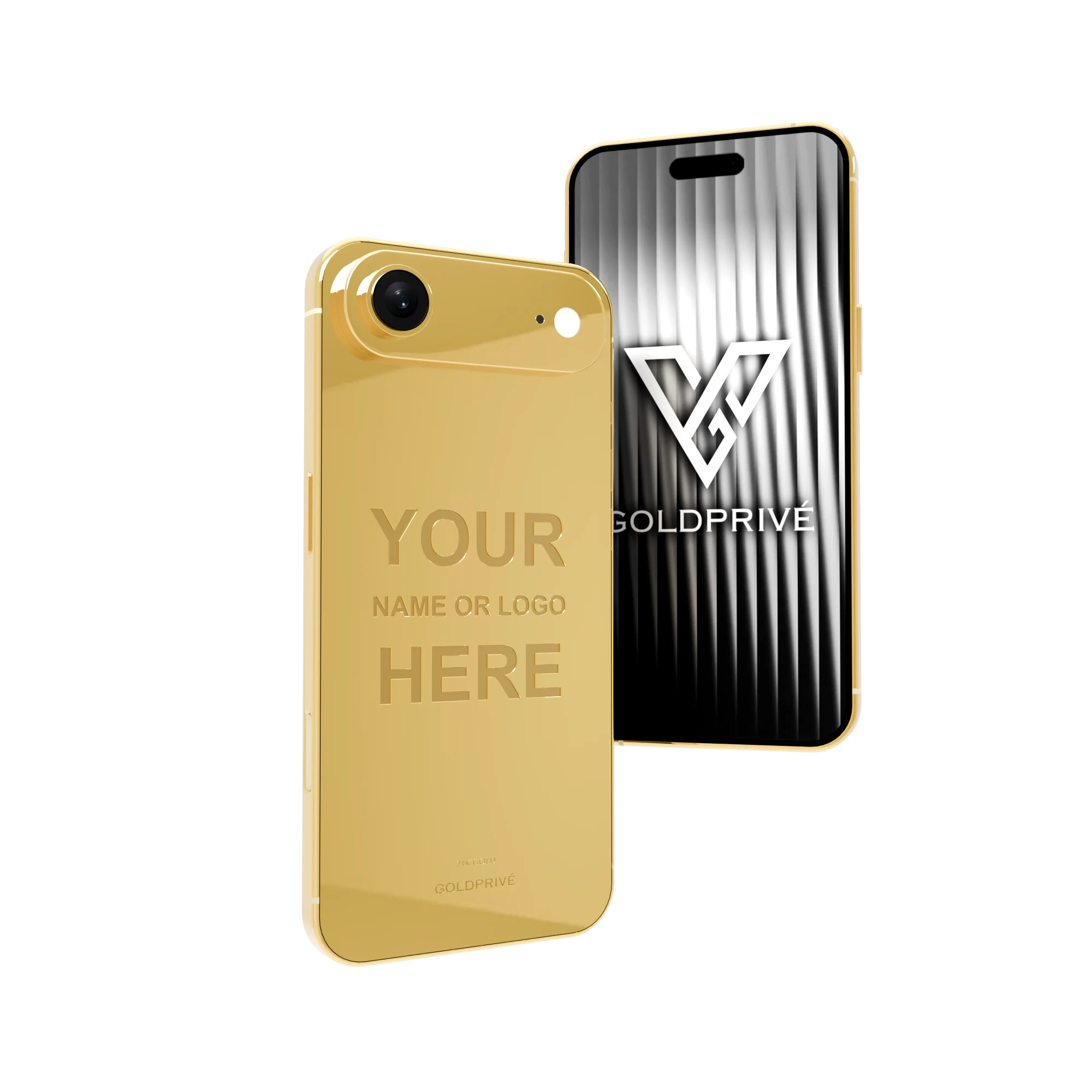
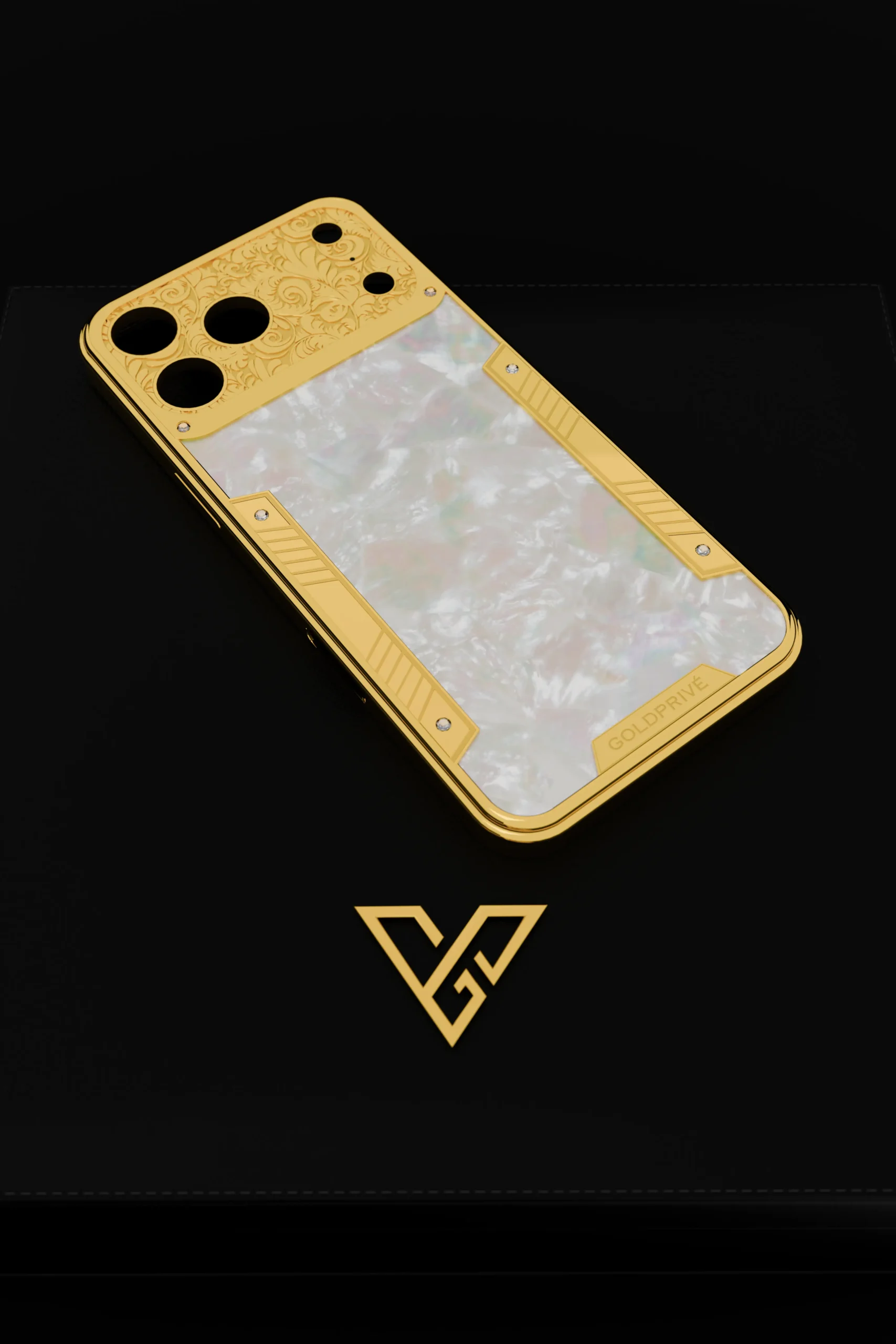
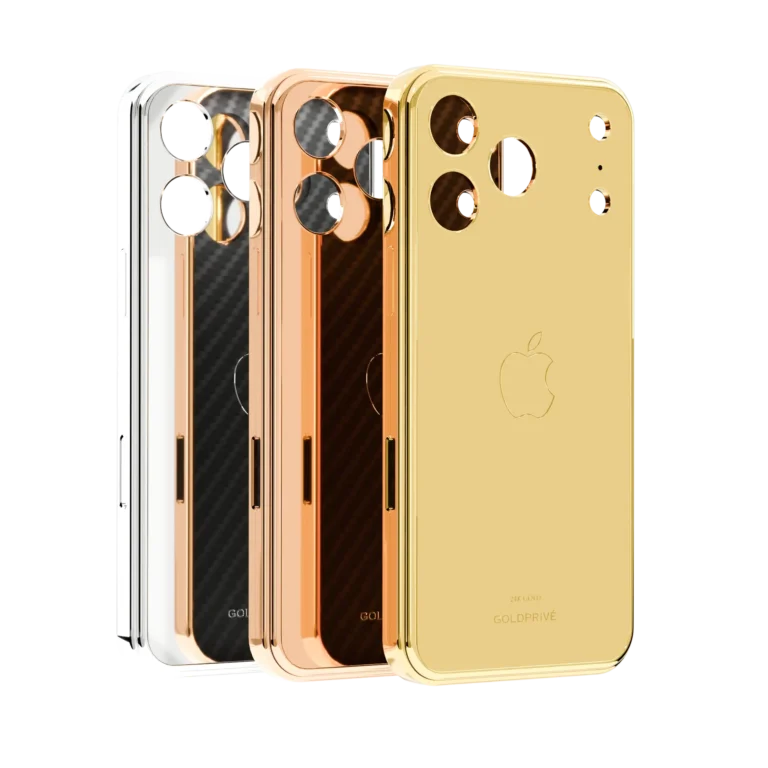
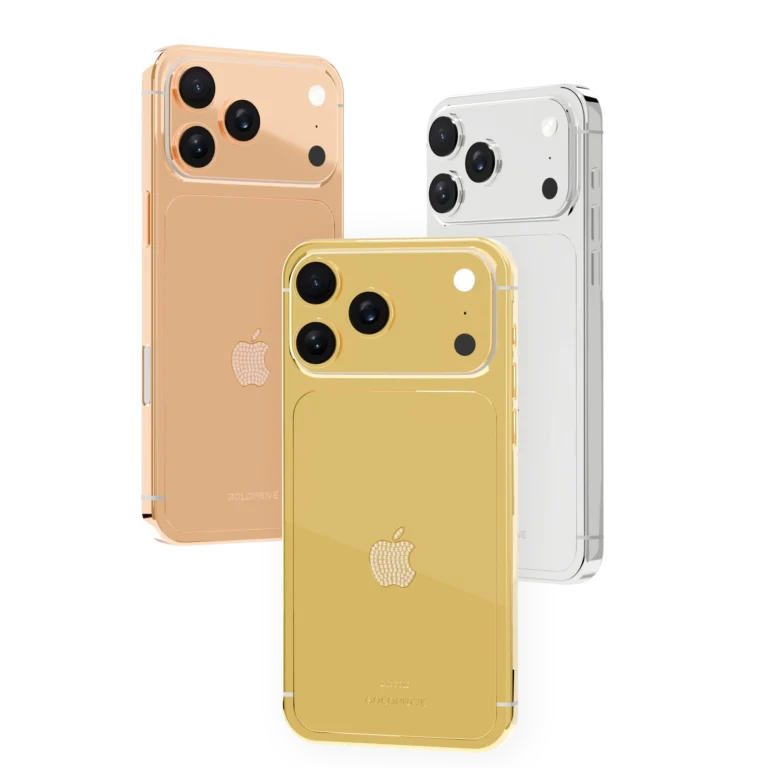
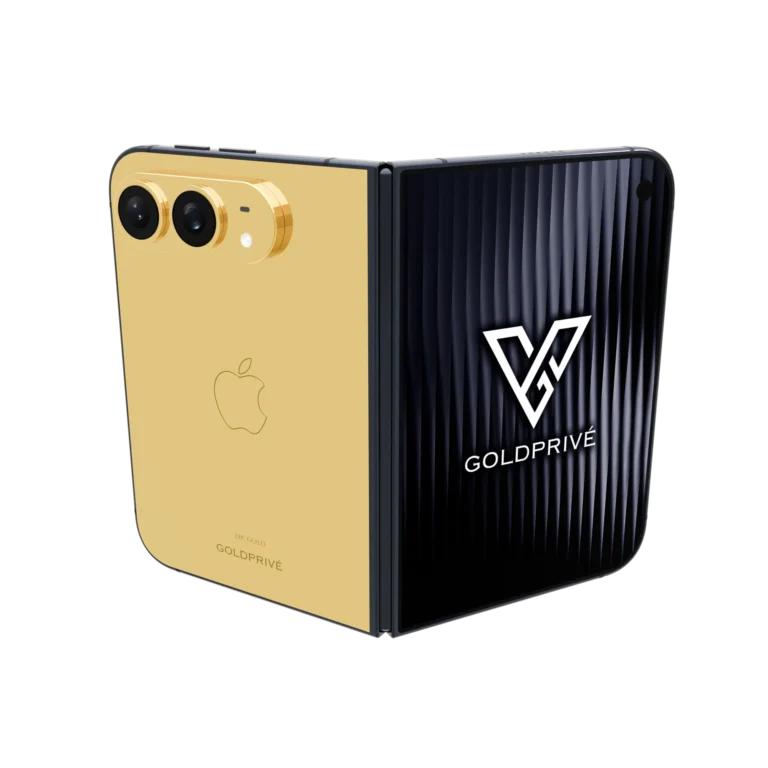
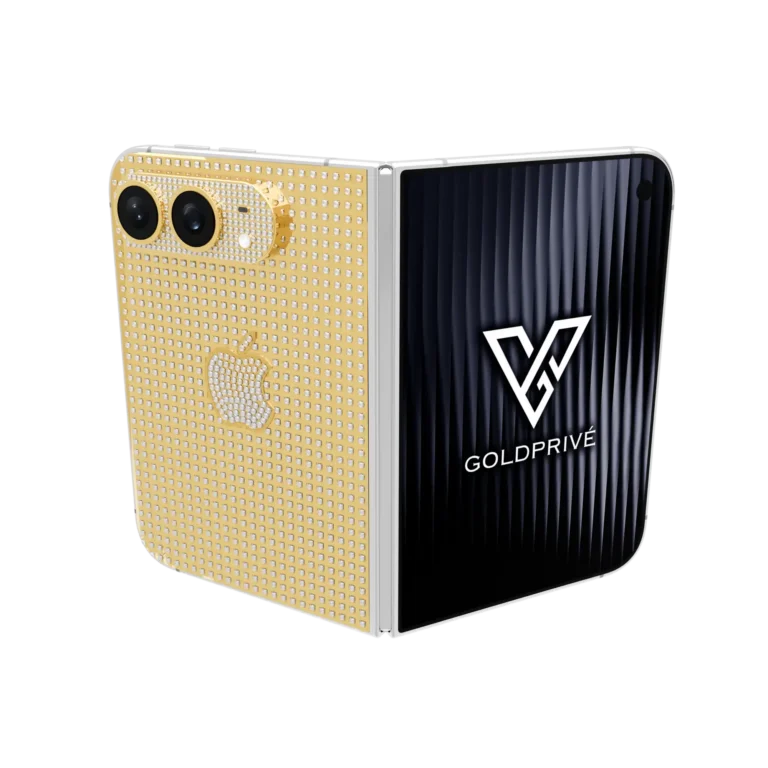
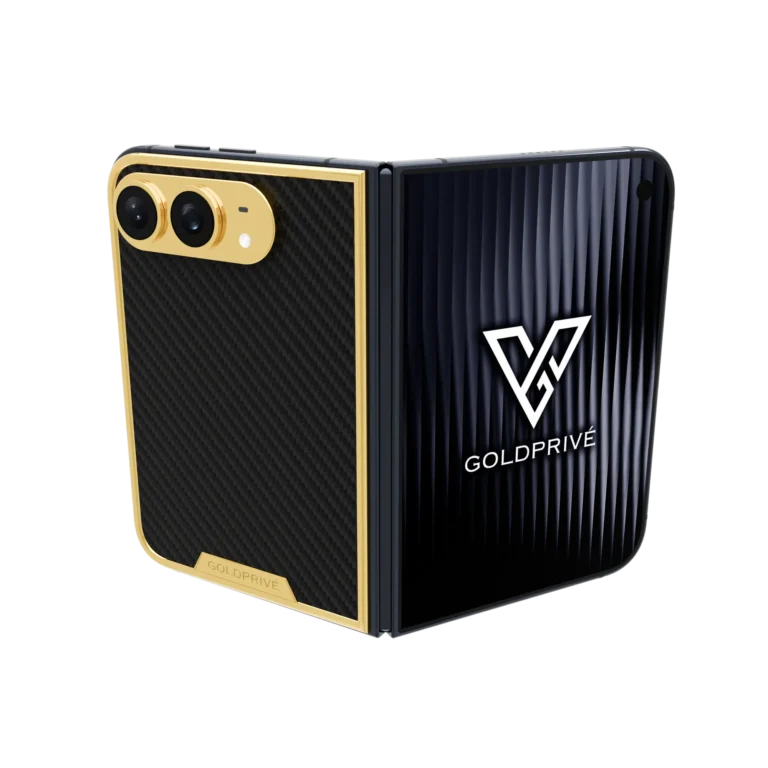
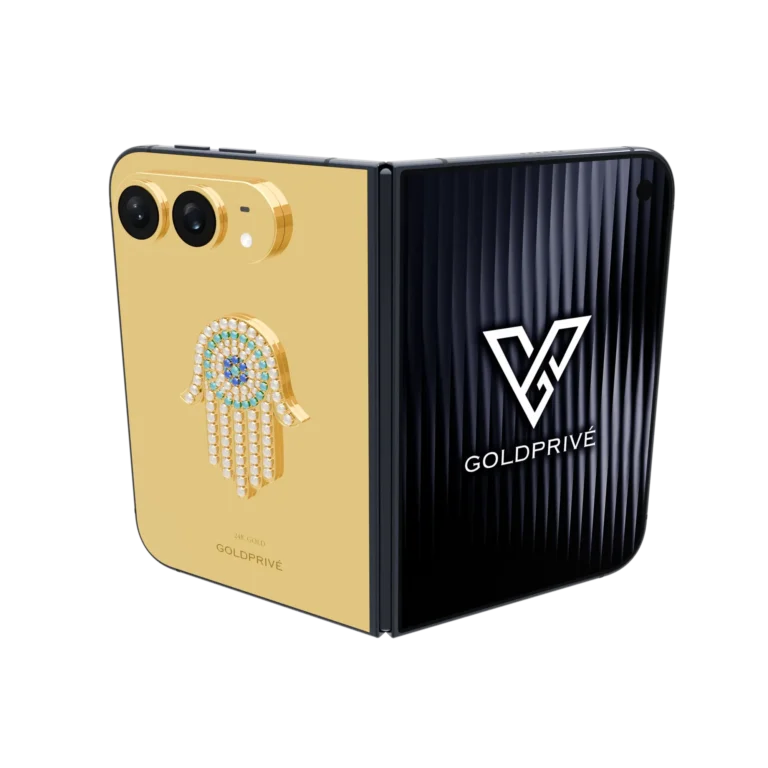
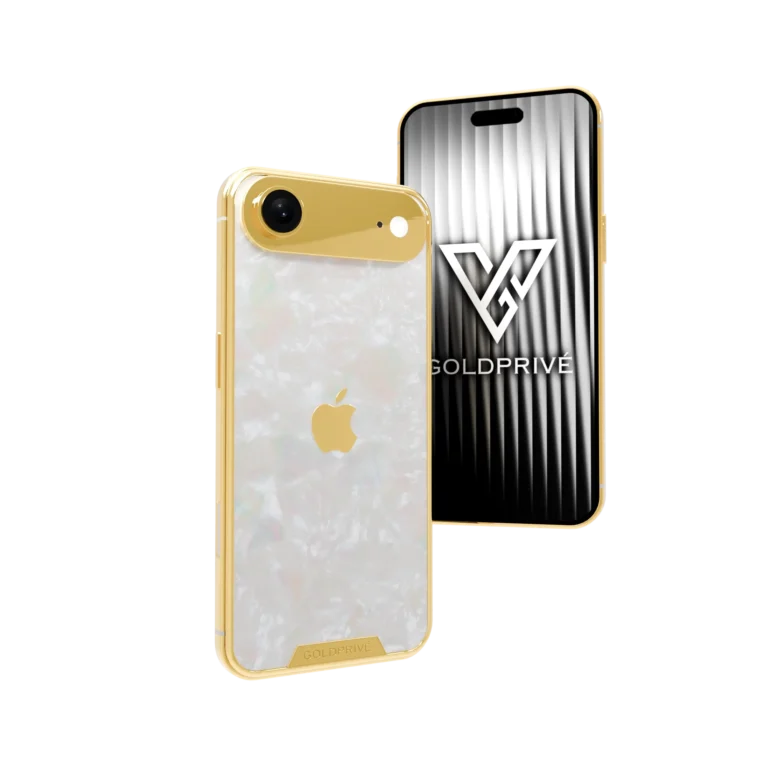
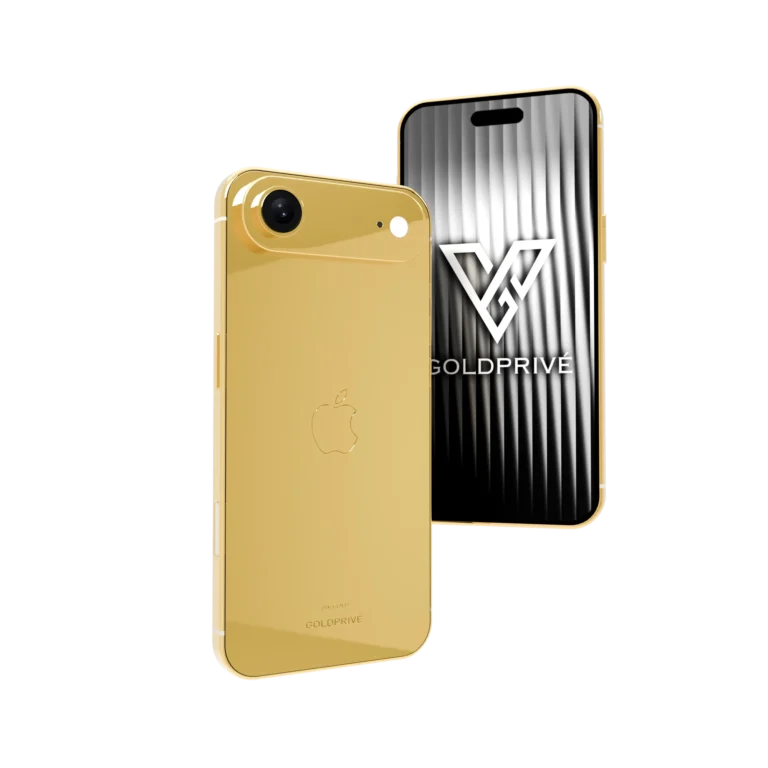
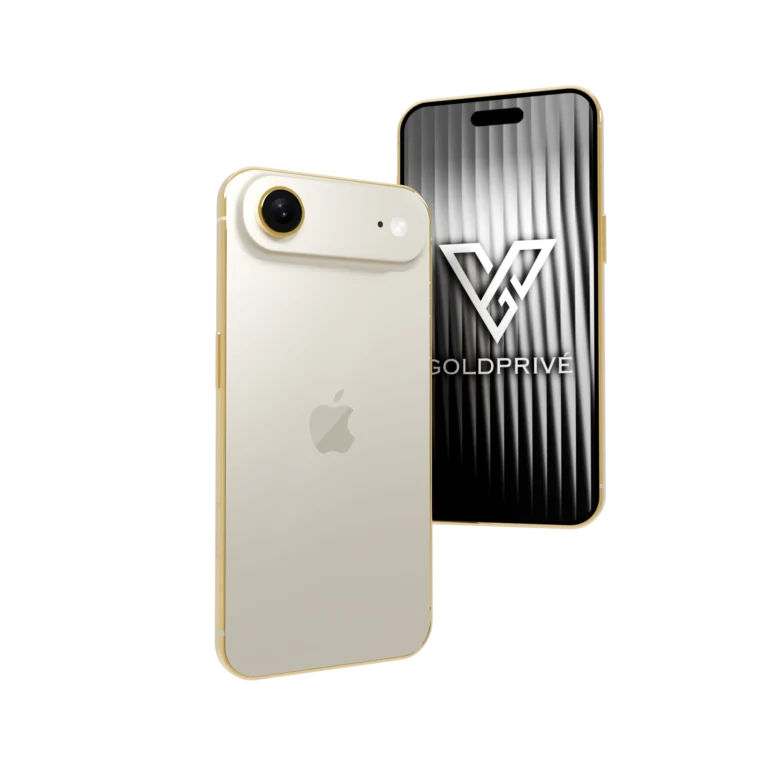
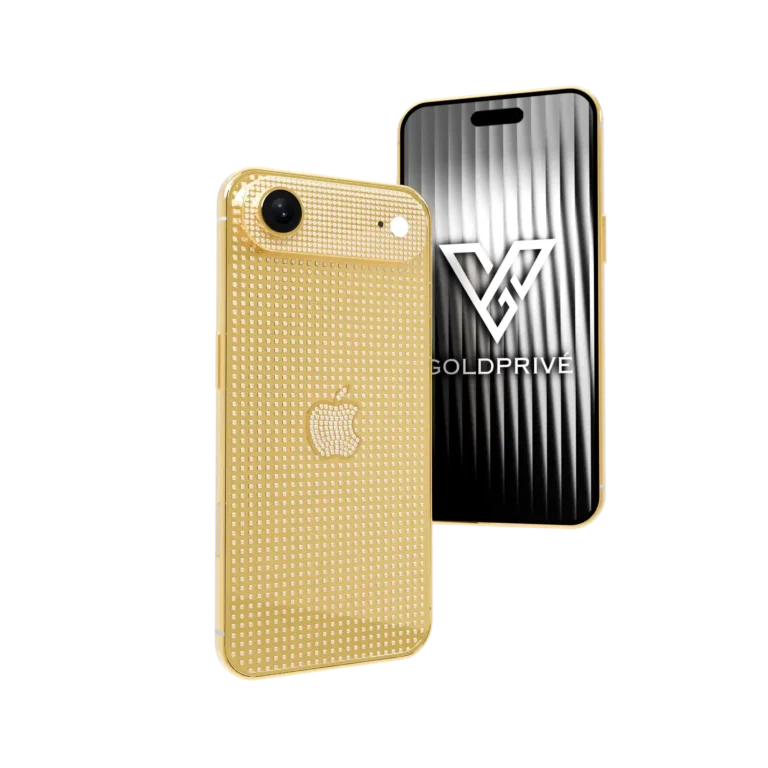
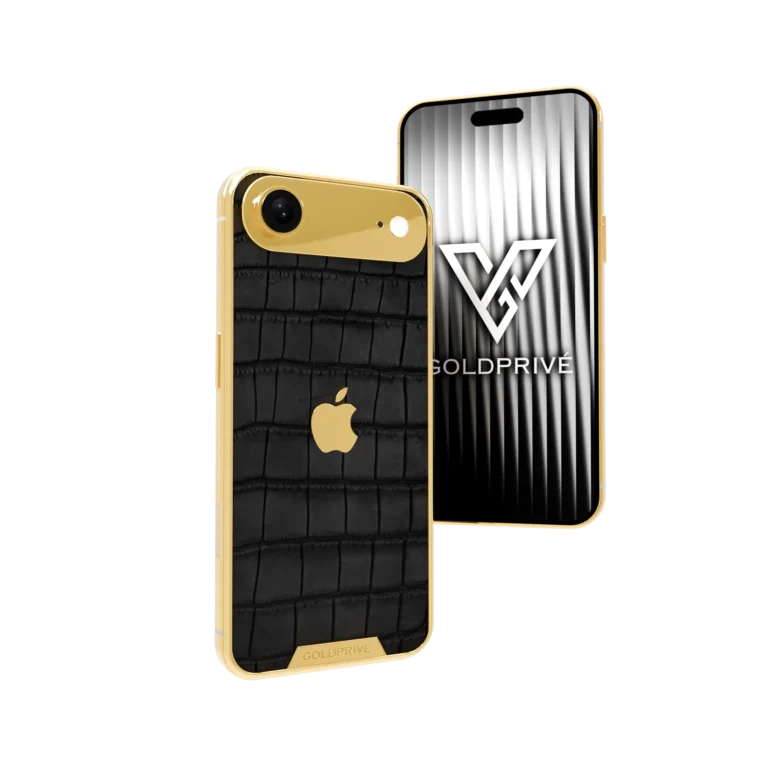
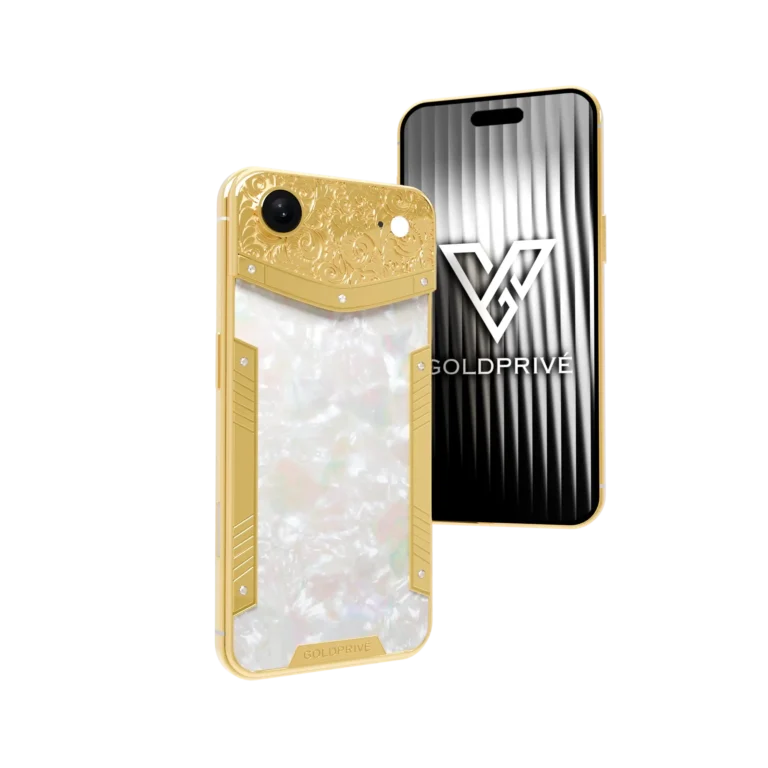
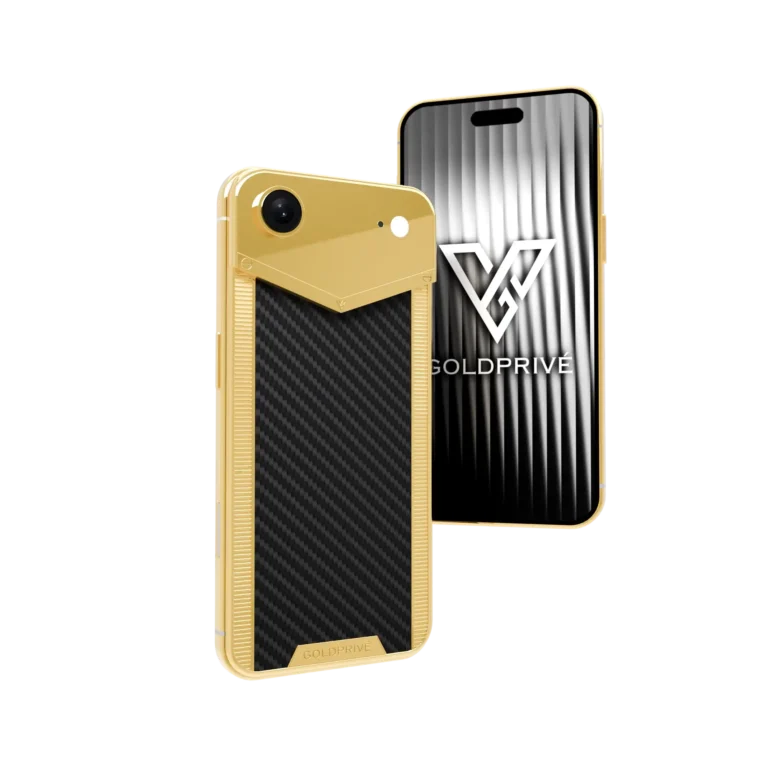
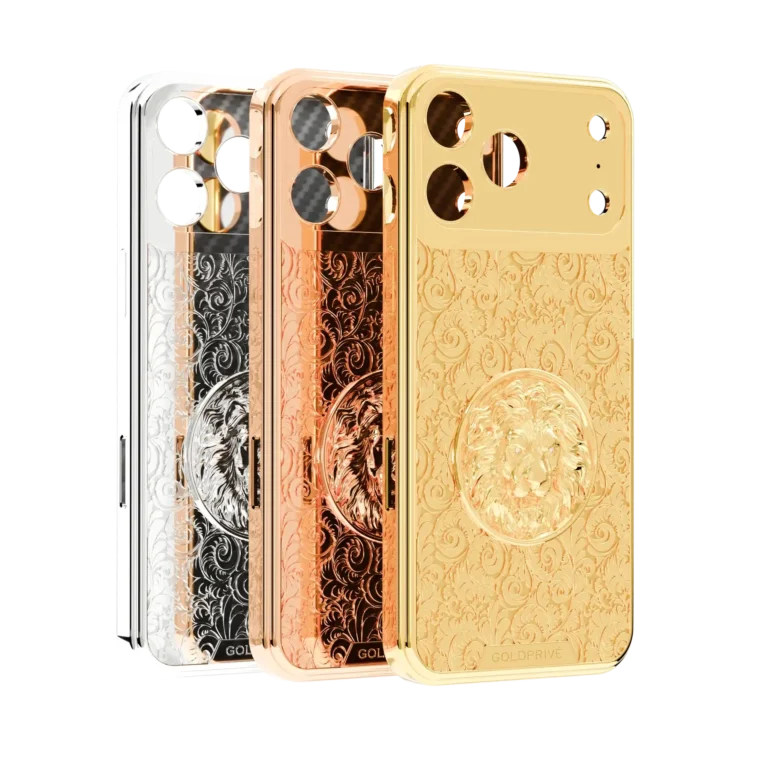
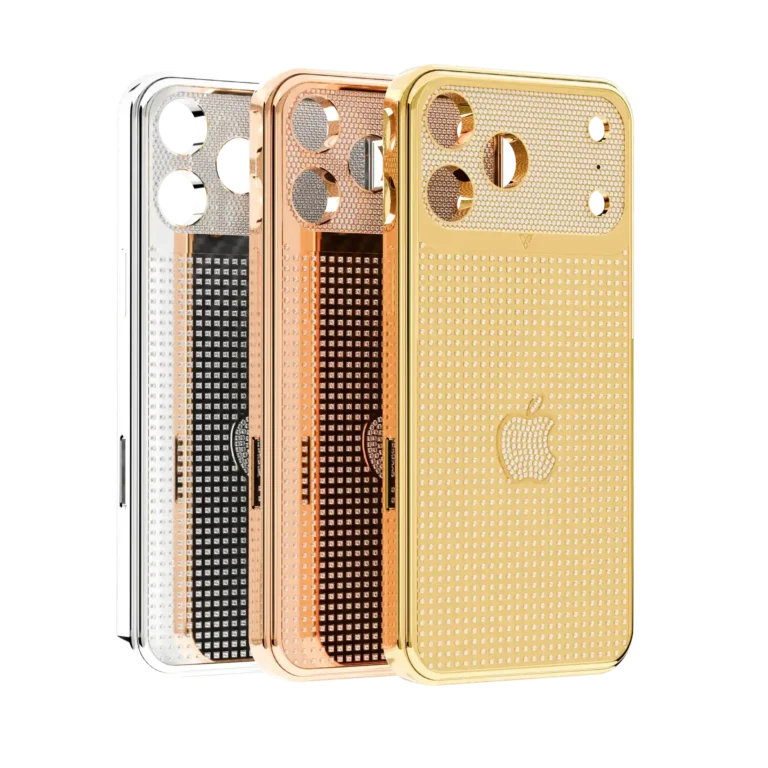
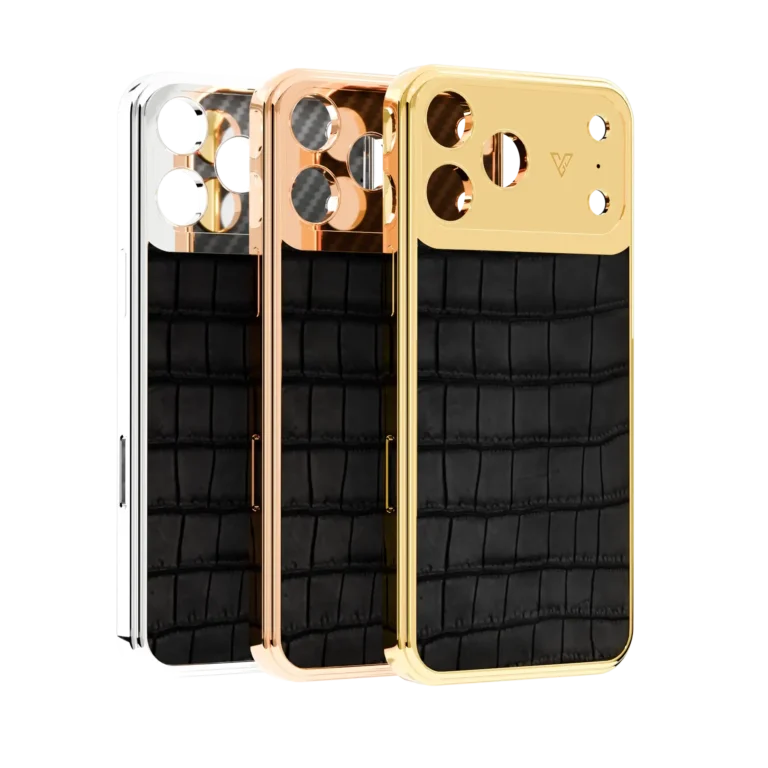
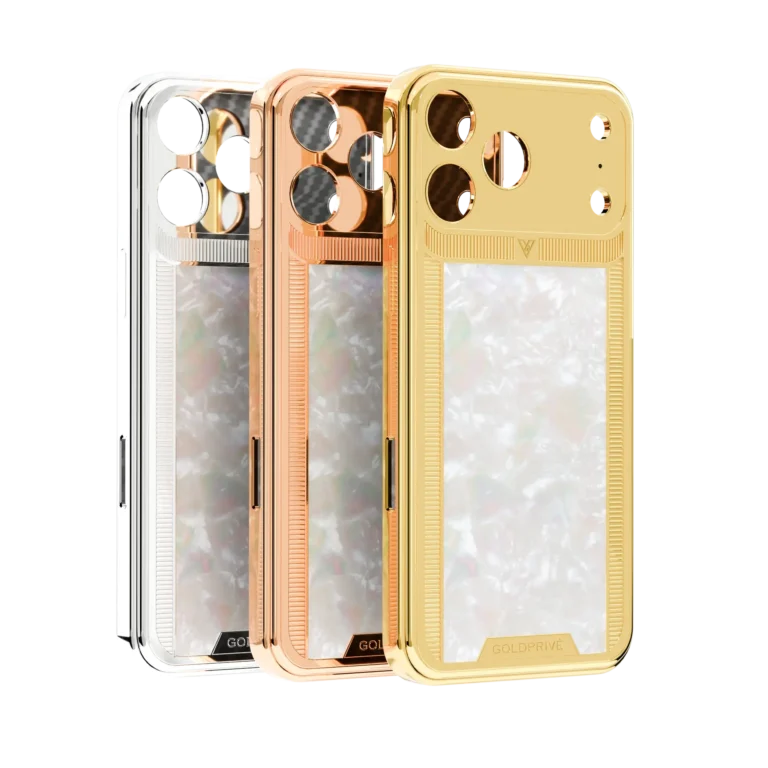
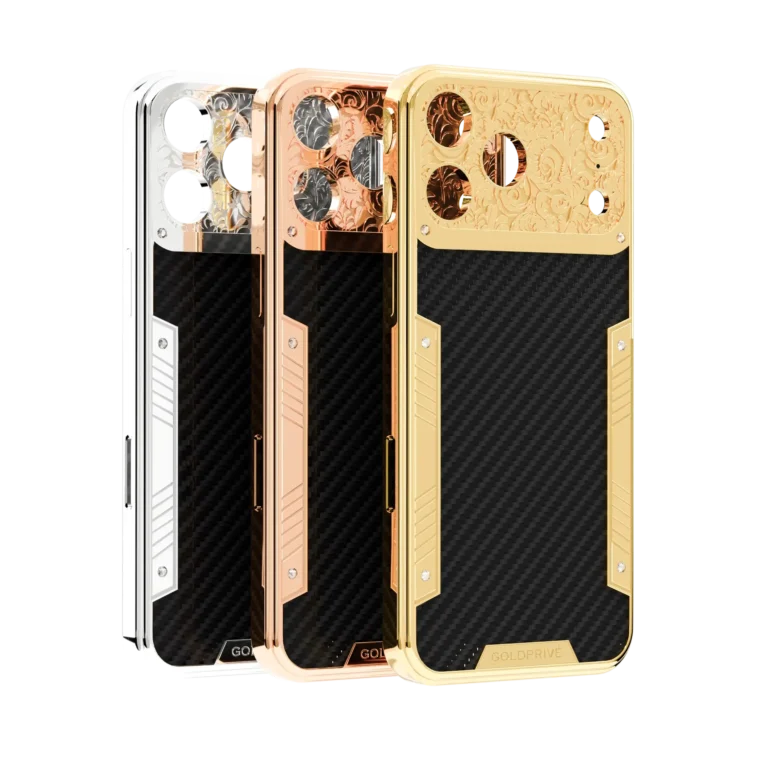
Two objects can both honestly be called “gold-finished,” and differ in thickness by a factor of fifty. Gold leaf — the technique behind gilded picture frames and cathedral domes — is applied in sheets thinner than a soap bubble’s wall. Electroplating, the process behind a GoldPrivé gold iPhone, builds up a bonded metallic layer many times thicker. Neither is fake gold. They’re solving completely different problems.
0.1–0.2μm
Typical thickness of hand-applied gold leaf, held to a surface by adhesive rather than a chemical bond.
5–7μm
GoldPrivé’s published plating thickness — roughly 25 to 70 times thicker than a single sheet of gold leaf.
How Gold Leaf Gilding Actually Works
Gilding is one of the oldest decorative techniques in existence, and the mechanics haven’t changed much in centuries. Gold is hammered into extraordinarily thin sheets — commercial leaf typically runs somewhere between 0.1 and 0.2 microns, with some heavier sheets reaching around 0.5 microns. A surface is coated with an adhesive layer called gilding size, and once it reaches the right tackiness, the gold leaf is laid on by hand and gently burnished to smooth out wrinkles and bond it to the surface.
Critically, gold leaf never forms a chemical or metallurgical bond with what it’s applied to. It sits on top, held purely by adhesion. That’s exactly why gilded objects — frames, statues, domes, book edges — are handled carefully and displayed rather than touched daily. The technique is built for surfaces that don’t flex, get gripped, or go in a pocket.
How Electroplating Actually Works
Electroplating takes a completely different physical approach. Rather than laying a sheet on top of a surface, it deposits gold atom by atom, drawn out of a solution by a controlled electrical current and bonded directly to the object being plated. The result is a continuous metallic layer that’s chemically joined to the surface beneath it, not just resting on it.
The object is cleaned so the gold has a contaminant-free surface to bond to.
An electrical current draws dissolved gold onto the surface in a controlled, even layer.
Thickness and evenness are checked before the piece is paired with documentation.
GoldPrivé’s full step-by-step version of this process, including exactly how it applies to a customized iPhone, is covered in depth in the 24K Gold iPhone review and in gold plating on smartphones: how it works on premium devices.
Side by Side
| Factor | Gold Leaf | Electroplating |
|---|---|---|
| Typical thickness | 0.1–0.2 microns | 0.5–7 microns depending on grade |
| Bond type | Mechanical (adhesive) | Metallurgical (chemically bonded) |
| Everyday durability | Low — abrades or lifts with handling | High — designed to withstand daily contact |
| Coverage on curved 3D surfaces | Difficult; leaf must be cut and pieced around curves | Uniform, even on complex shapes |
| Typical use today | Architecture, fine art, frames, restoration | Jewellery, watches, wearable electronics |
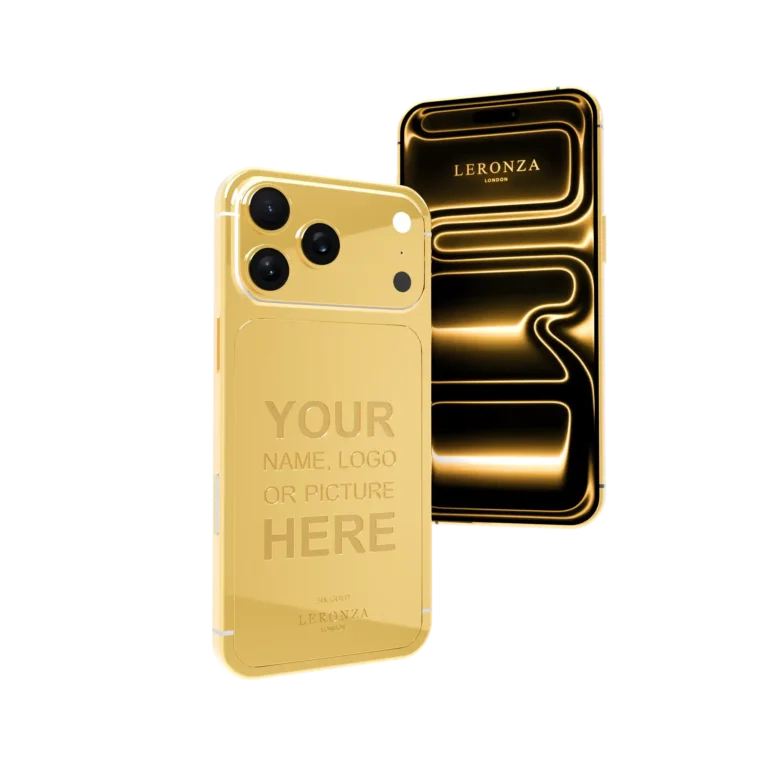
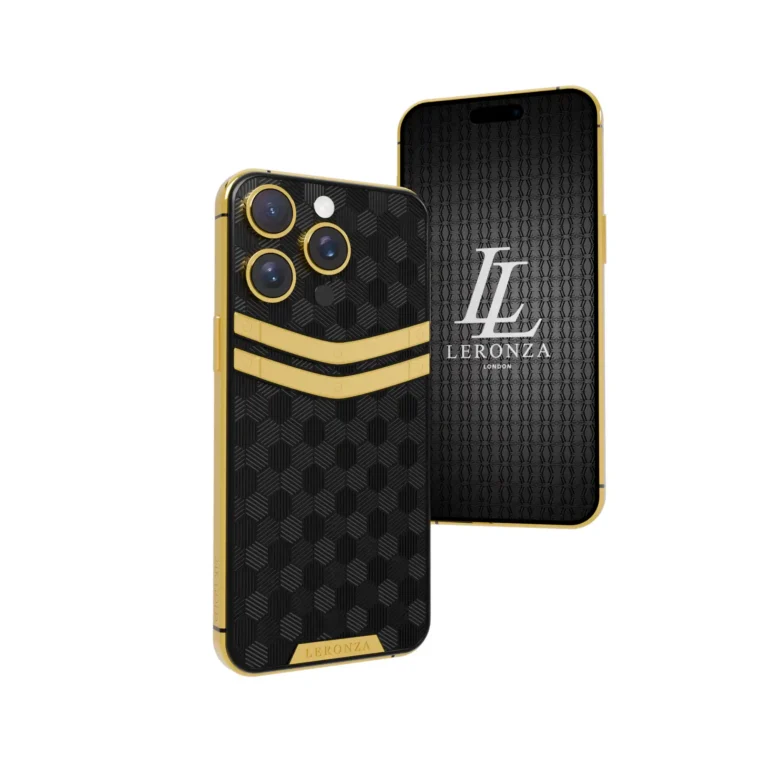
Why this matters for a phone specifically: a device that’s held, gripped, slid into pockets, and set down on hard surfaces dozens of times a day needs a bonded finish, not an adhered one. Gold leaf’s mechanical bond simply isn’t built for that kind of repeated contact — which is exactly why Leronza, and the luxury electronics industry generally, uses electroplating rather than gilding for anything meant to be carried and used.
The Missing Middle Chapter: Fire Gilding
Gold leaf and electroplating aren’t actually where this history begins and ends — there’s a third technique that bridges them, and understanding it explains why electroplating eventually won out for anything meant to be handled. Fire gilding, also called mercury gilding, was the dominant method for bonding gold to metal objects from antiquity right up until the mid-1800s. Gold was dissolved into liquid mercury to form an amalgam, brushed onto the object, then heated until the mercury vaporized off, leaving a genuinely bonded gold layer behind — thicker and more durable than leaf, and actually fused to the surface rather than merely stuck to it.
The catch was the process itself: mercury vapor is highly toxic, and gilders working with it for years suffered severe, well-documented health consequences. When electroplating was patented in England in the 1840s by George and Henry Elkington, it offered something remarkable — a bonded gold finish with fire gilding’s durability, achieved through an electrochemical bath rather than vaporized mercury. Within a few decades, fire gilding was almost entirely abandoned in favor of it. Electroplating isn’t just a modern alternative to gold leaf; it’s the safer, more controllable descendant of a much older bonded-gold tradition.
Where Gold Leaf Still Makes Sense
None of this makes gold leaf an inferior technique — it’s simply built for different objects. Gilding remains the standard choice for architectural domes (state capitol buildings and cathedral roofs among the most recognizable examples), ornate picture frames, restored antiques, religious icons, and fine art restoration, precisely because those surfaces are meant to be seen, not handled. The thinness that makes leaf impractical for a phone is what makes it economical and visually flawless across large, static, decorative surfaces where a metallurgical bond isn’t necessary. A gilded dome doesn’t get picked up, dropped, or slid across a table a dozen times a day — it just needs to catch the light, which a fraction-of-a-micron layer does perfectly well.
Buyer Considerations: Questions Worth Asking
If you’re evaluating any “gold” product, four questions cut through most of the ambiguity: What application method was actually used? What’s the disclosed thickness, in microns? Is the layer bonded (electroplated or solid) or merely adhered (leaf)? And does the answer match how the object will actually be used — displayed, or handled daily? A maker who can answer all four without hesitation is describing a real specification. One who can’t is describing a marketing term.
What This Means When You’re Evaluating a “Gold” Product
The practical takeaway: “gold” alone tells you almost nothing about durability. The application method does. A genuinely useful question to ask any luxury customizer, phone or otherwise, is not “is it gold?” but “how is the gold applied, and how thick is it?” — the same discipline covered in more depth in solid gold vs. gold-plated: what’s the real difference and in how gold plating services work.
Related reading
Questions About Plating Methods
Is gold leaf less “real” than electroplated gold?
No. Both use genuine gold; the difference is thickness and bonding method, not authenticity. Gold leaf is simply too thin and too weakly bonded for objects that get handled daily.
Could a phone realistically be finished in gold leaf instead of electroplating?
Technically it could be attempted, but the finish would abrade and lift quickly under normal handling, since gold leaf has no metallurgical bond to resist contact and friction the way electroplating does.
Why is electroplating measured in microns and gold leaf sometimes described differently?
Both are ultimately measured in microns, but gold leaf’s thickness is so small that it’s often described by weight or sheet count in traditional gilding trades, while electroplating is specified directly by deposited thickness.
Does thicker electroplating always mean better quality?
Generally, thicker plating within a reasonable range means better wear resistance, but thickness should be read alongside disclosure and consistency — a maker who states an exact micron figure is giving you more useful information than one who simply says “gold-plated.”
Is gold leaf ever used on jewellery or accessories?
It can appear on decorative accessories not subject to regular handling, but for anything worn or carried daily, electroplating or solid gold construction is the standard choice across the jewellery and luxury goods industry.
How can I tell which method was used on a product I’m considering?
Ask directly. A reputable maker should be able to state the application method and, for electroplating, the thickness in microns — vague language like “gold finish” without either detail is worth questioning.
Does electroplating use less gold overall than gold leaf?
Not necessarily. Because electroplating is thicker per unit area, it can use more total gold than a single layer of leaf, even though leaf is a more historically gold-efficient technique for covering very large decorative surfaces.
What was fire gilding, and why isn’t it used anymore?
Fire gilding bonded gold to a surface using a mercury-gold amalgam that was heated until the mercury vaporized, leaving a genuinely bonded gold layer behind. It largely disappeared after the 1840s, when electroplating offered similar durability without the severe health risks of mercury vapor exposure.
Is fire-gilded or antique gold-leafed metalwork still valuable today?
Yes, often significantly so — surviving fire-gilded and gold-leafed antiques are typically valued for their age, craftsmanship, and historical technique rather than compared directly against modern electroplated pieces, which serve an entirely different purpose.
Gold leaf and electroplating aren’t competing for the same job. One is built to make a static surface glow under gallery light for centuries; the other is built to survive a pocket, a desk, and a handshake, every day, for years. Knowing which one is actually on the object in front of you is the difference between an informed purchase and a guess.
Curious how the electroplating process is actually carried out on your device?