Blog
24K Gold iPhone Review: The Signature Finish, Assessed

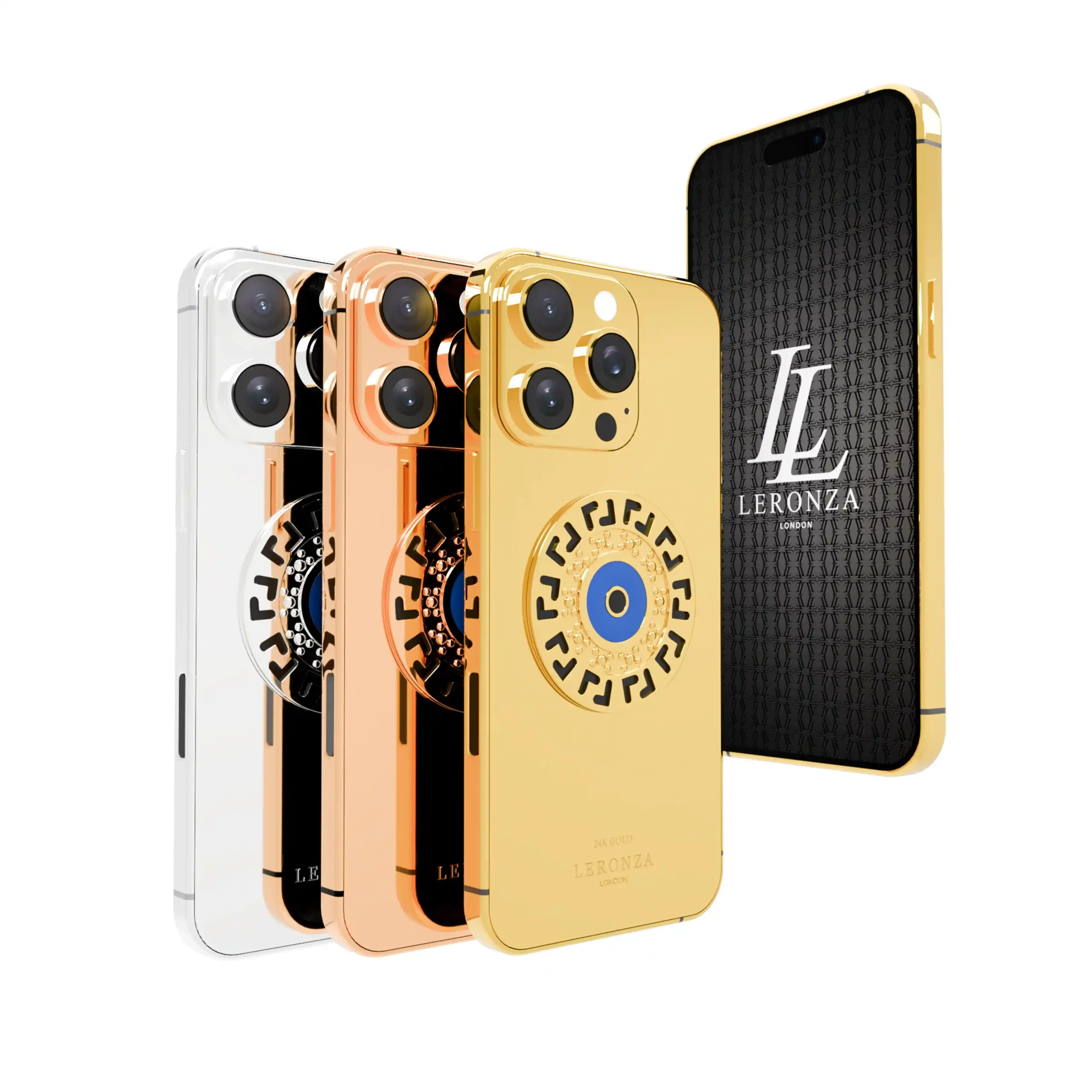
Every other finish gets measured against this one. When GoldPrivé compares Rose Gold or Platinum to anything, 24K is the baseline everyone already understands — which makes it strange that it’s never actually been reviewed on its own, across everything it’s applied to, rather than as a footnote inside a comparison. This review looks at the finish in isolation: how it’s actually applied, where it shows up across the current catalogue, what the karat number really means, and where the real tradeoffs sit once the marketing language is set aside.
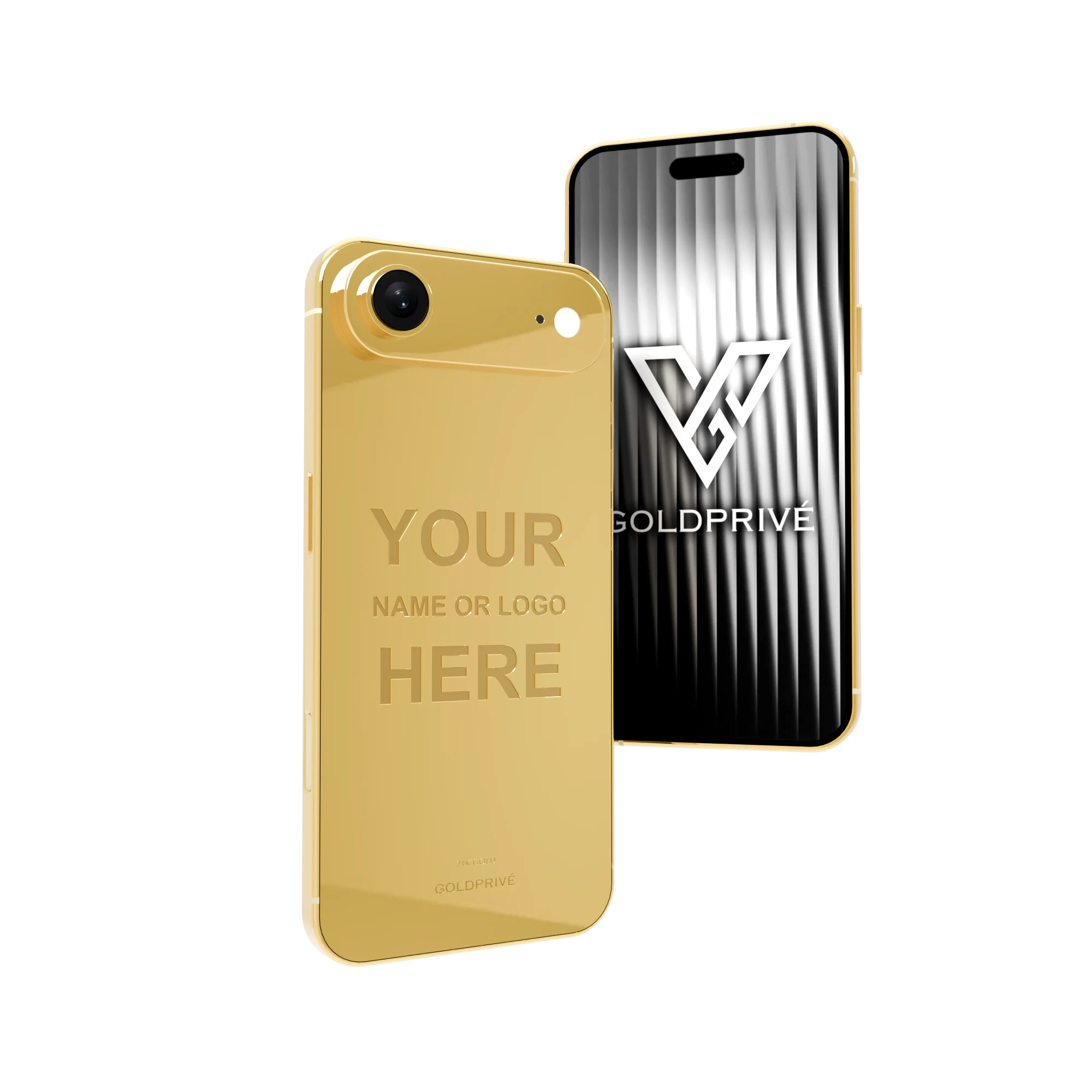
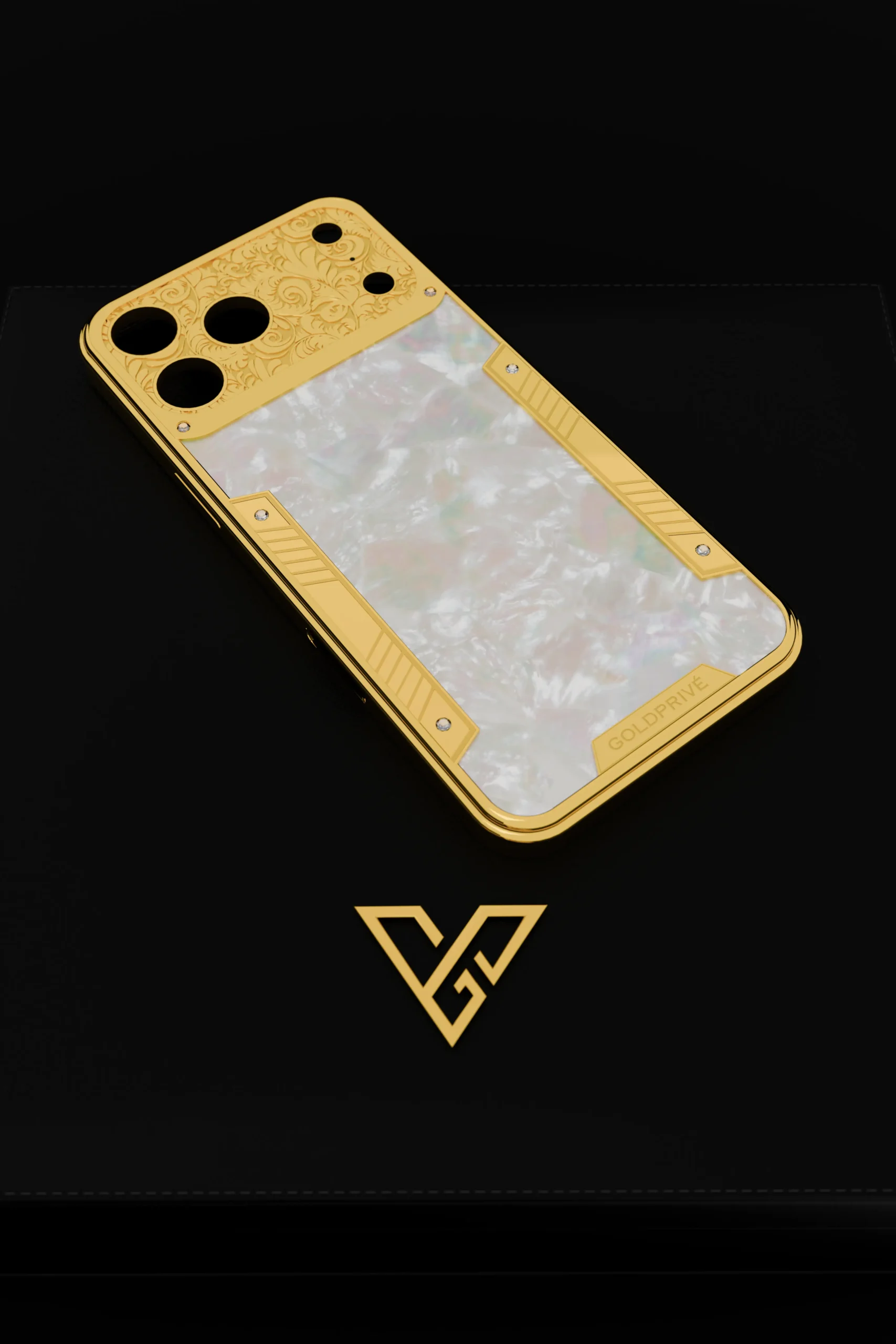
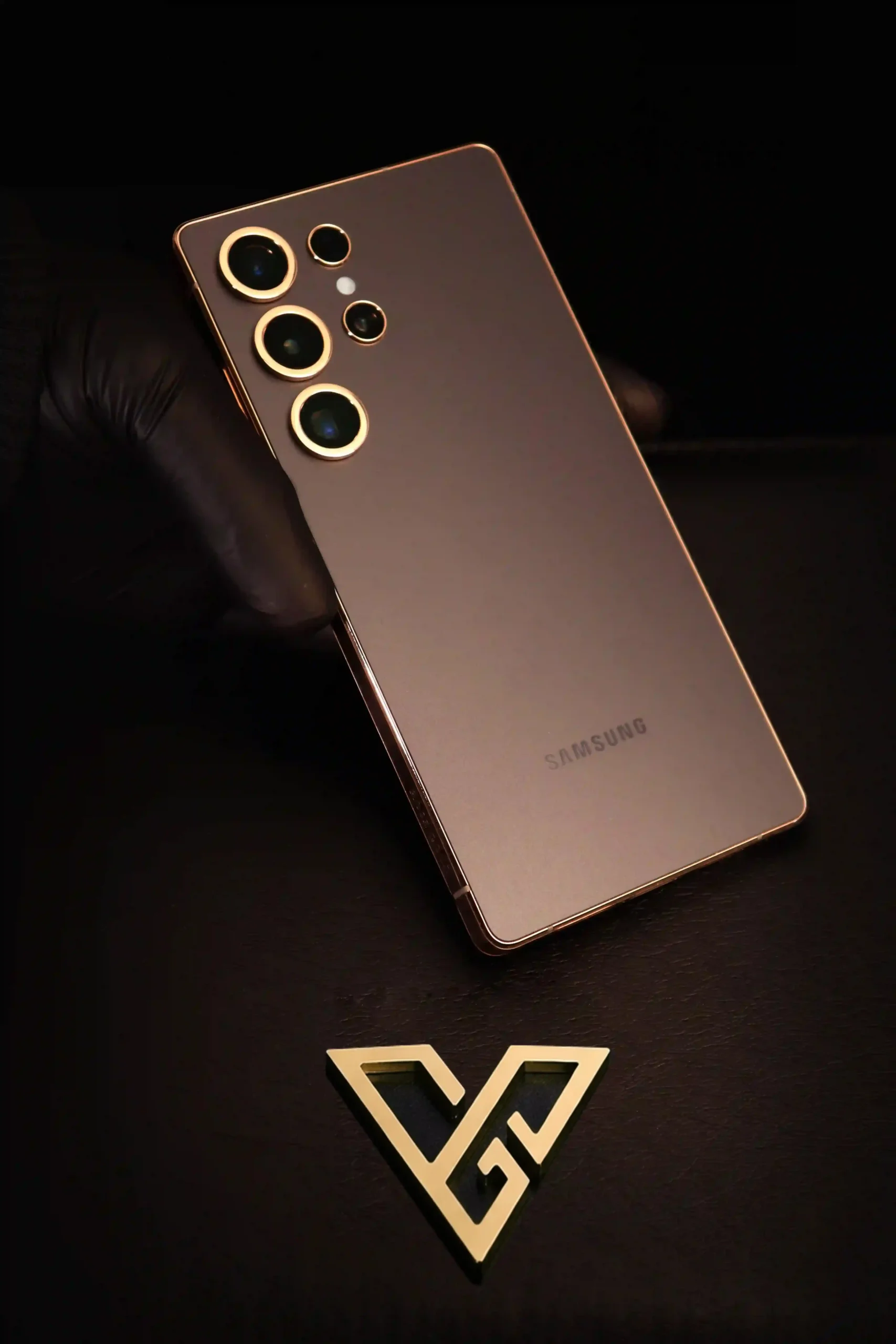
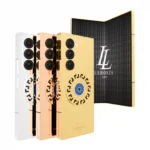
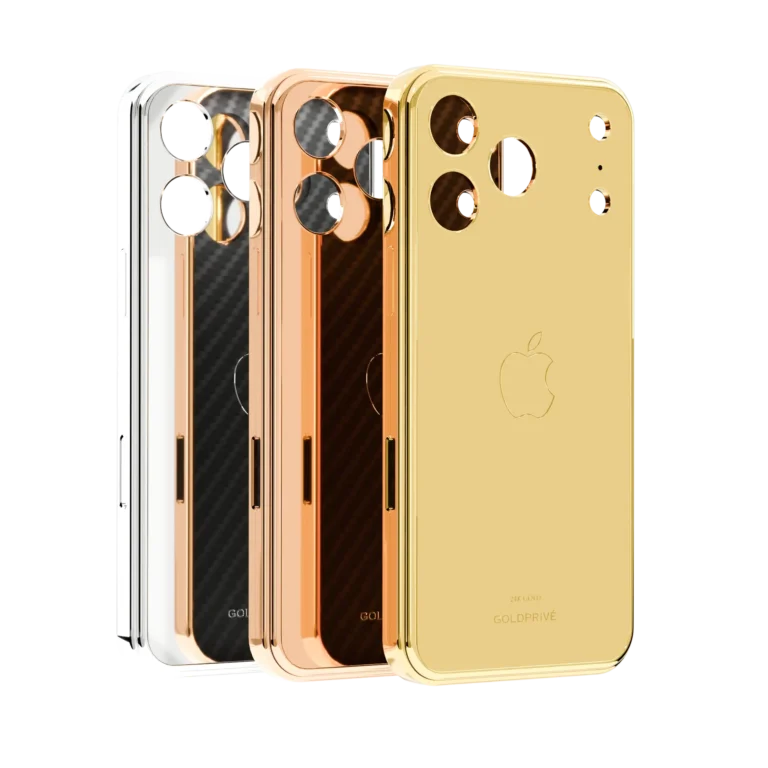
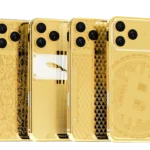
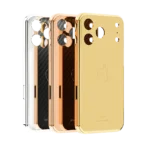
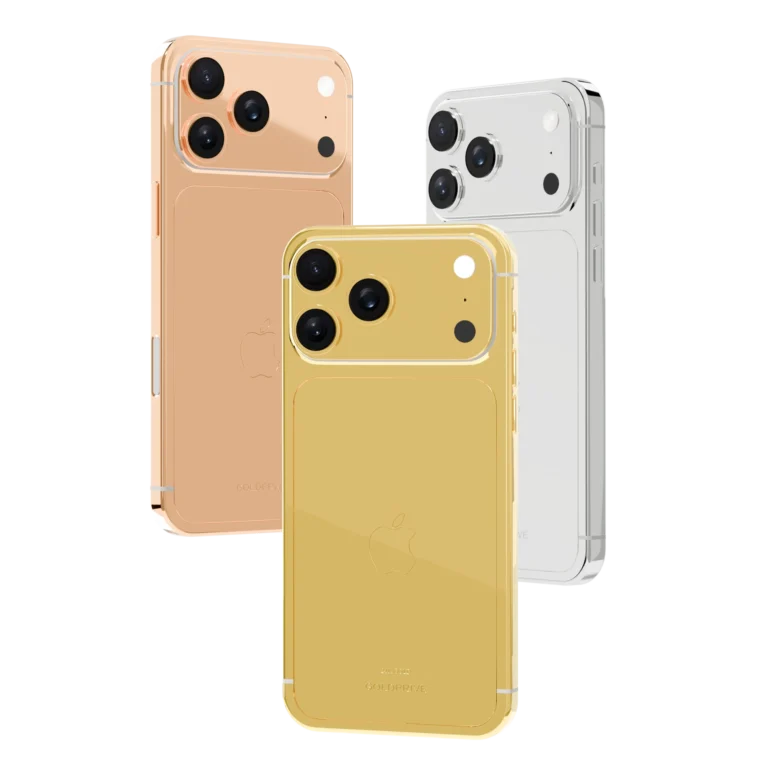
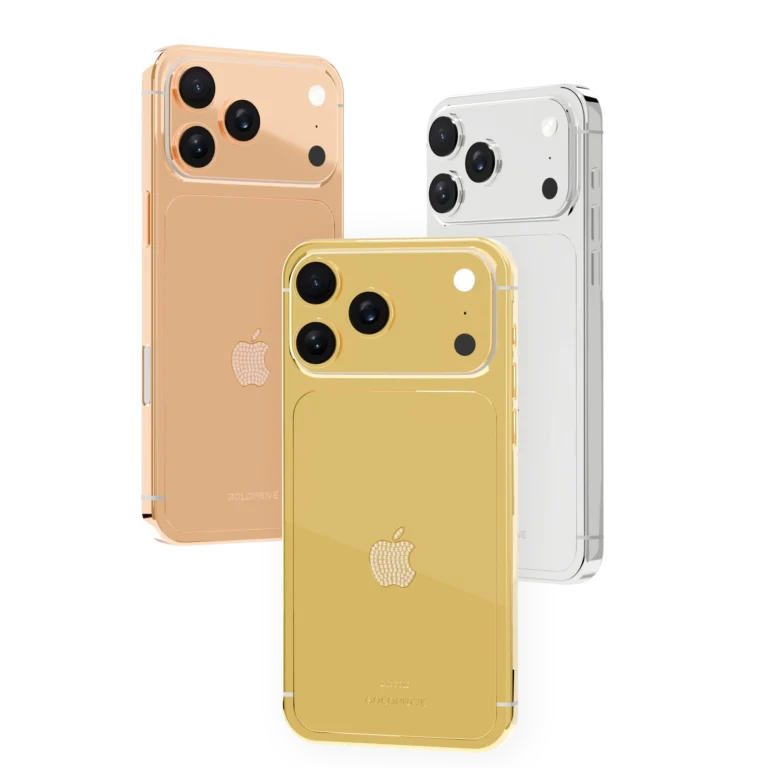
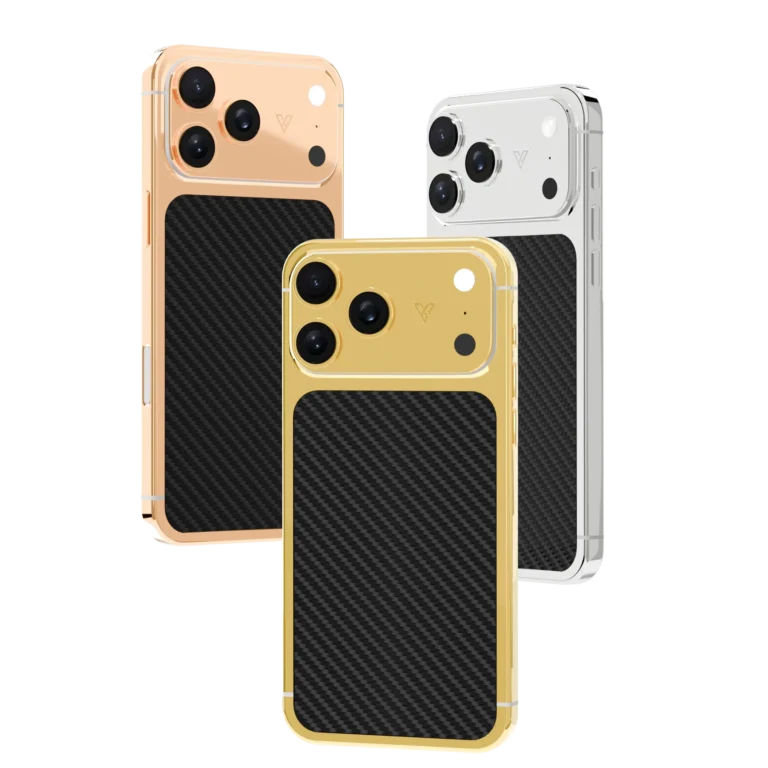
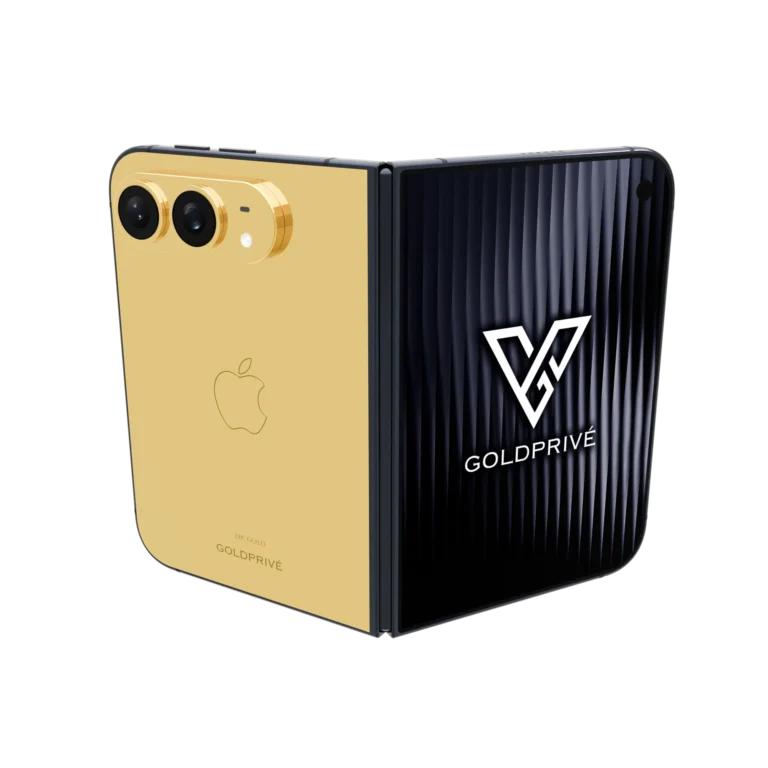
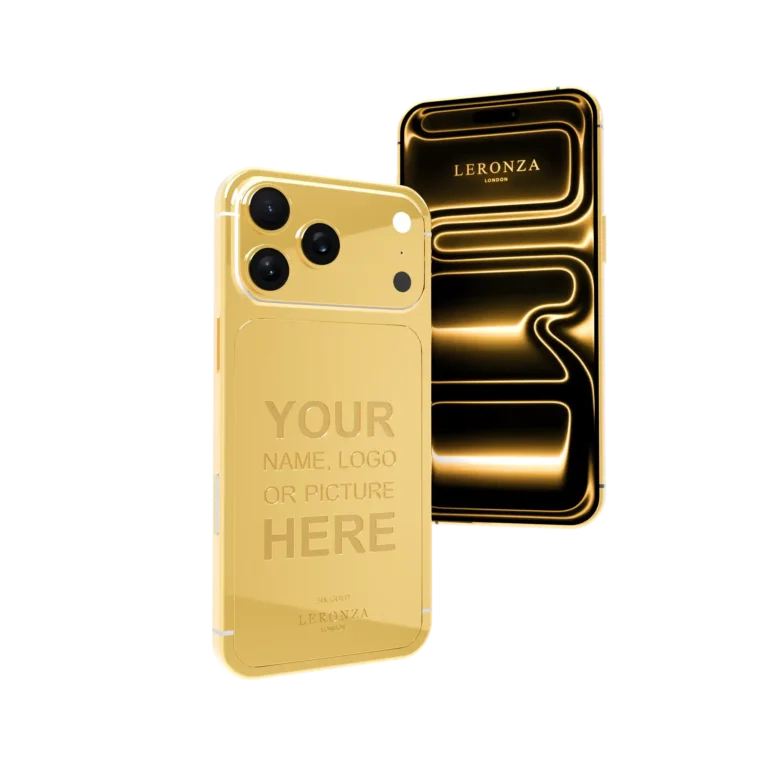
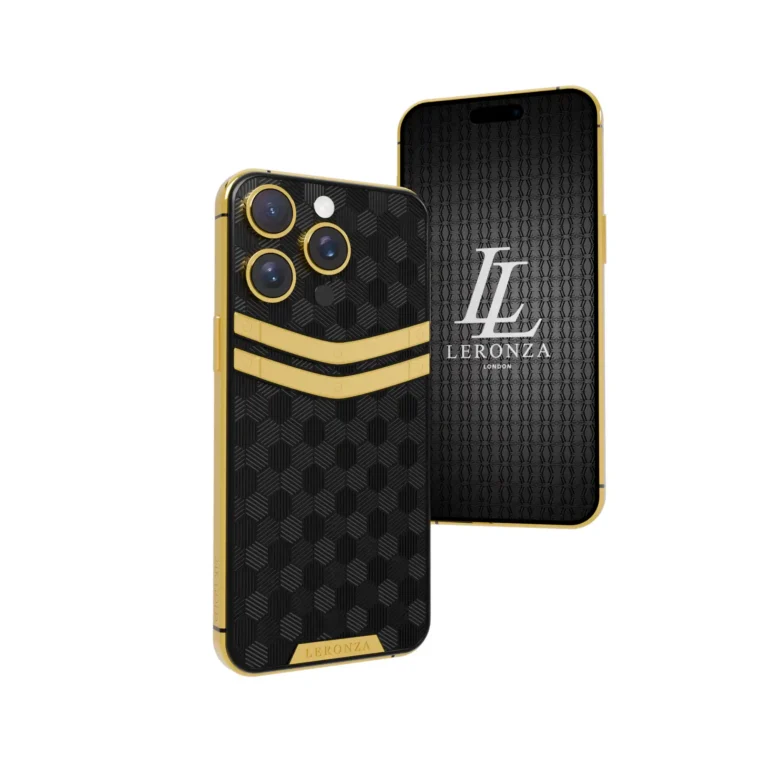
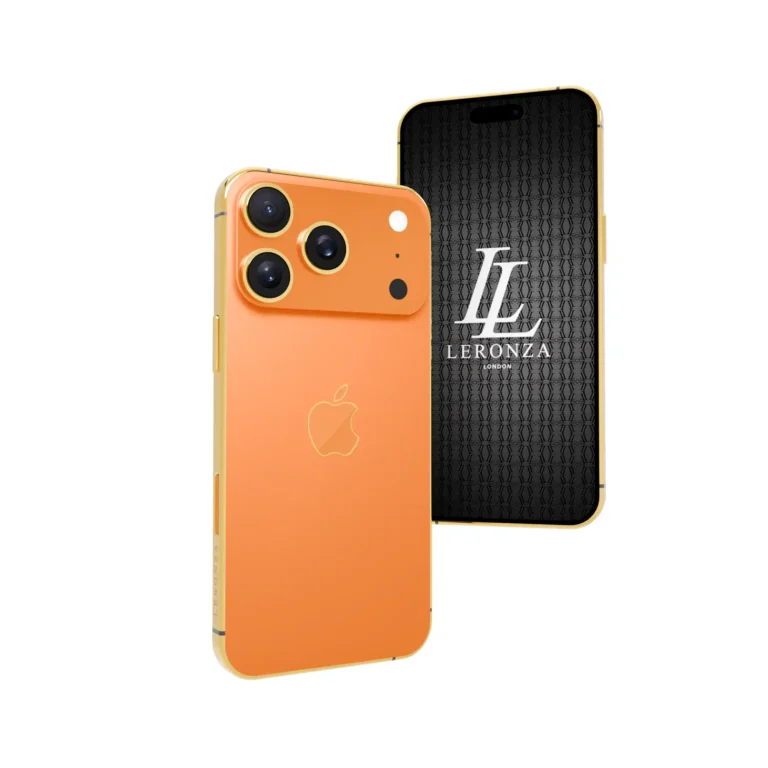
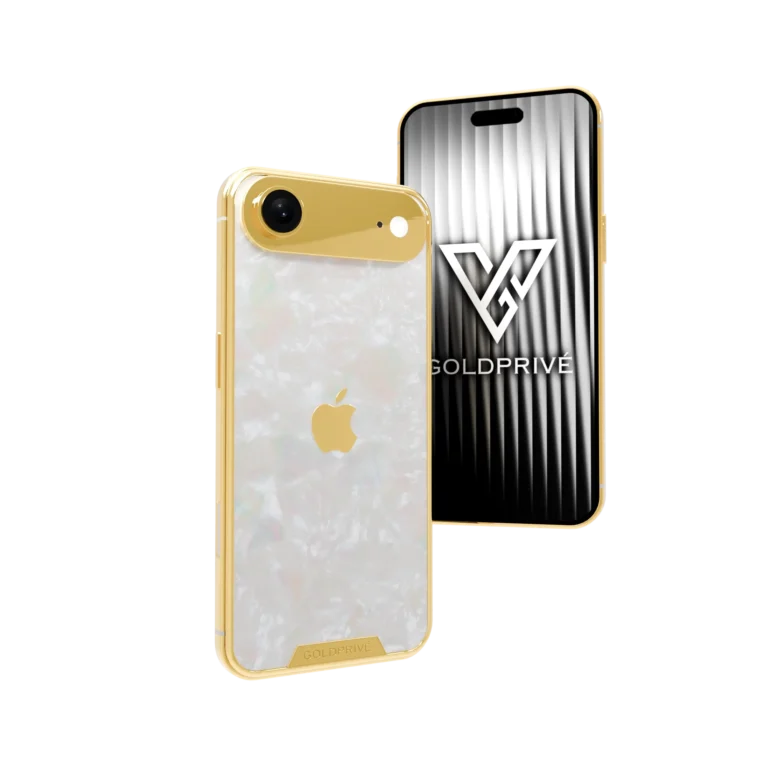
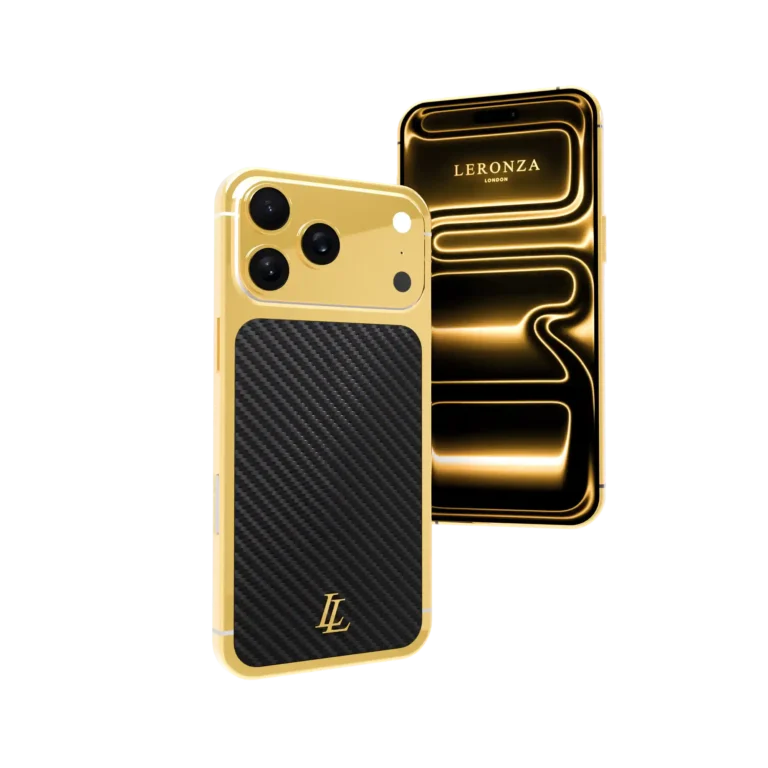
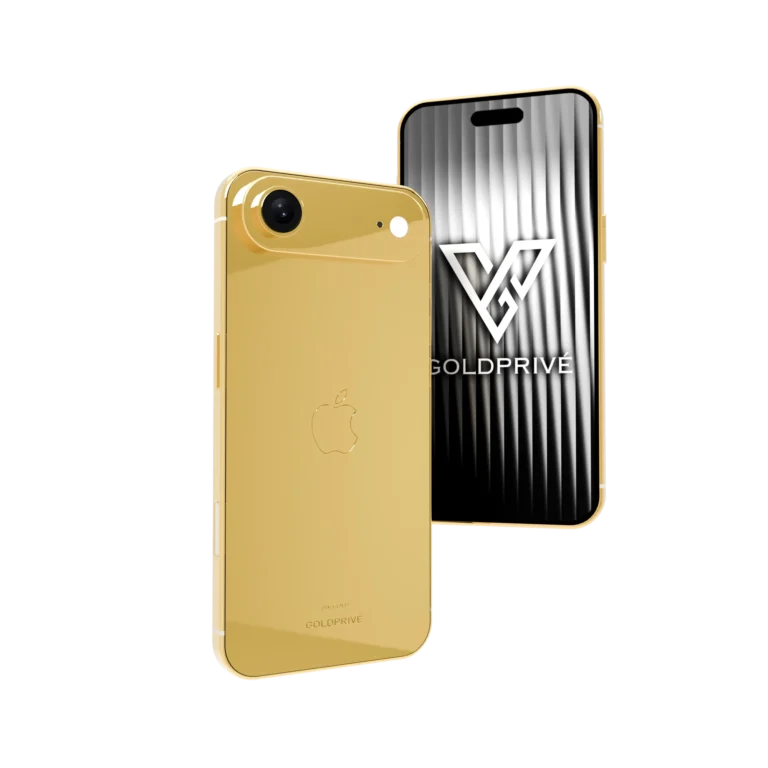
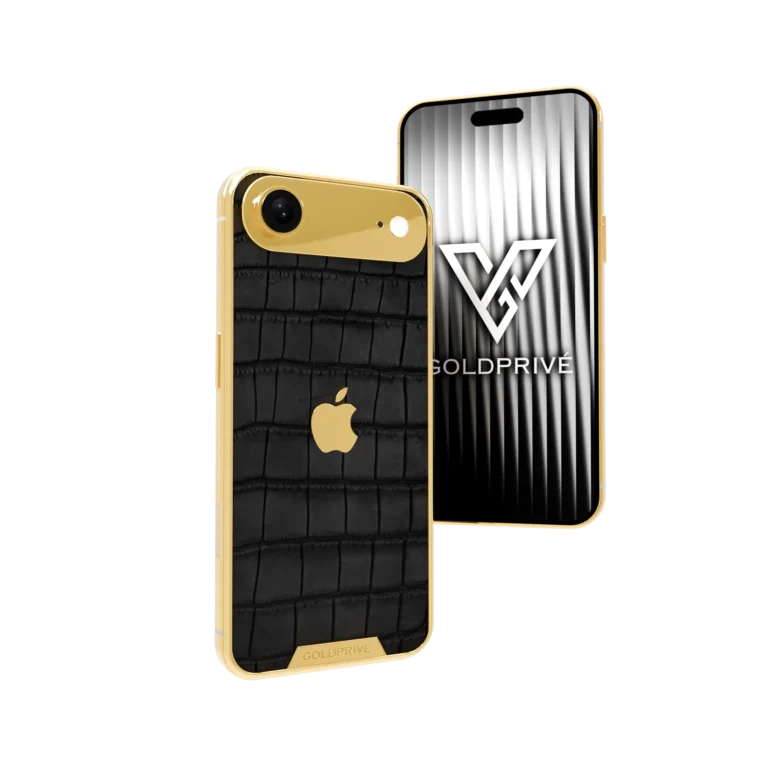
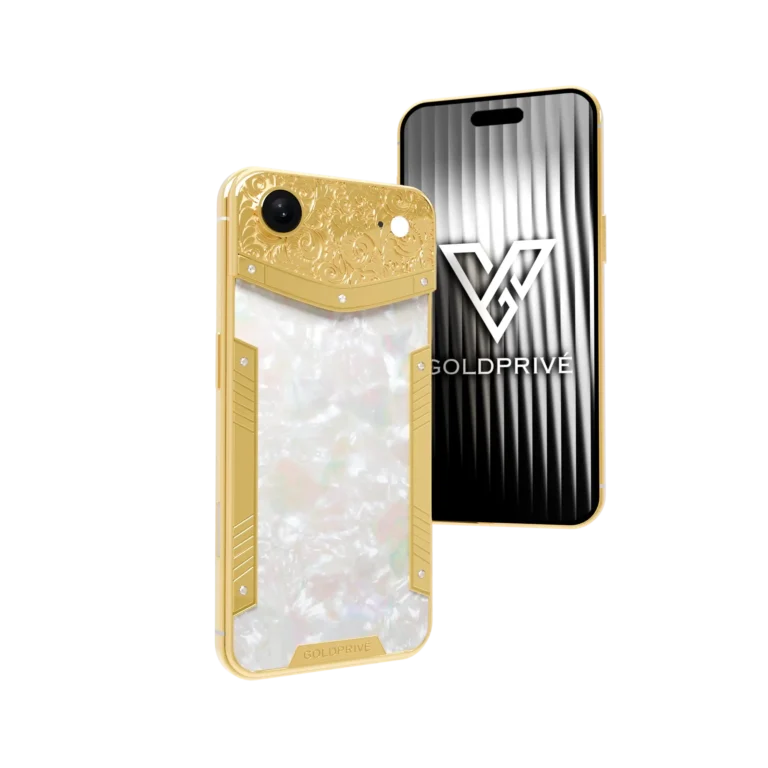
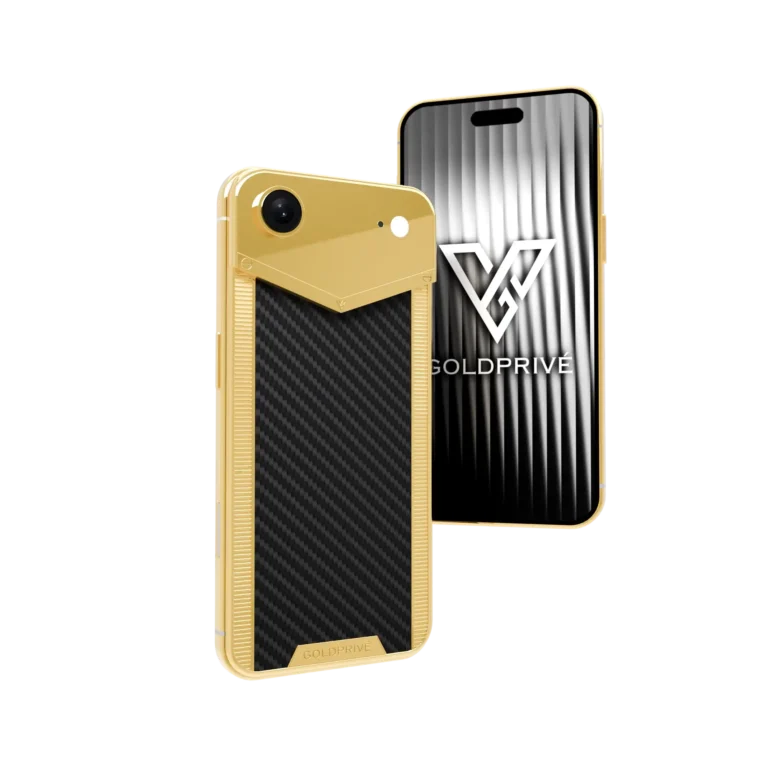
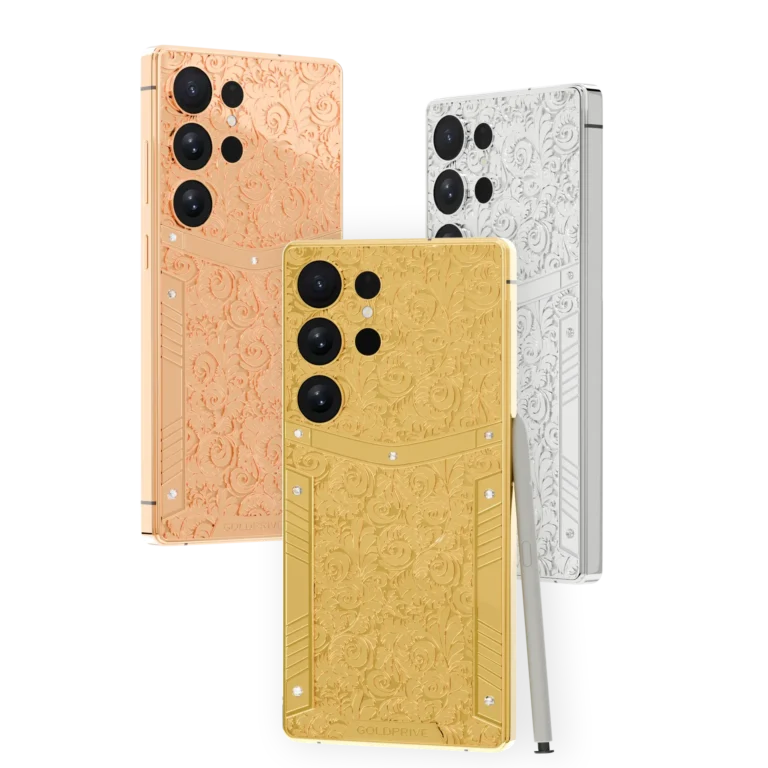
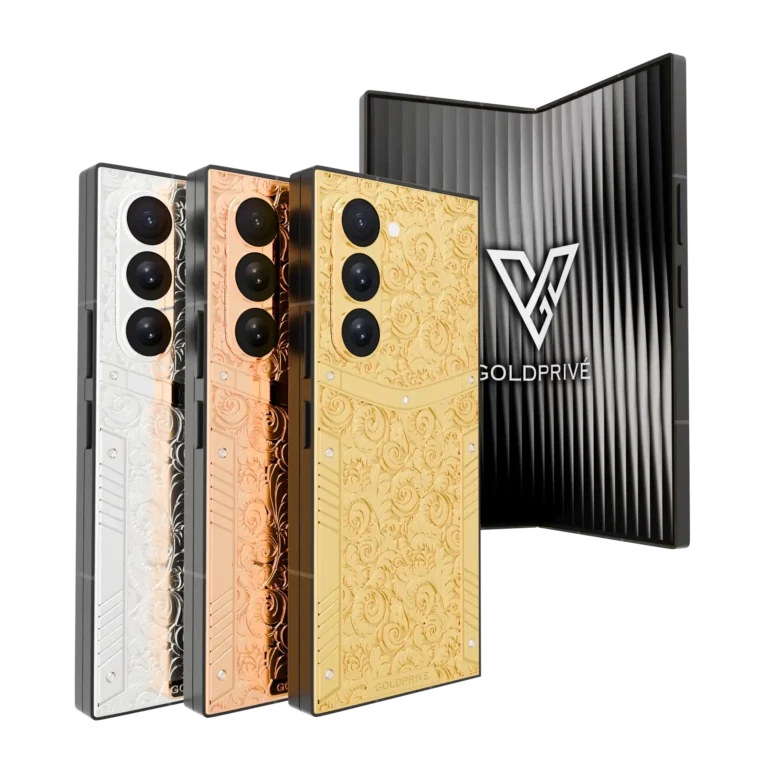
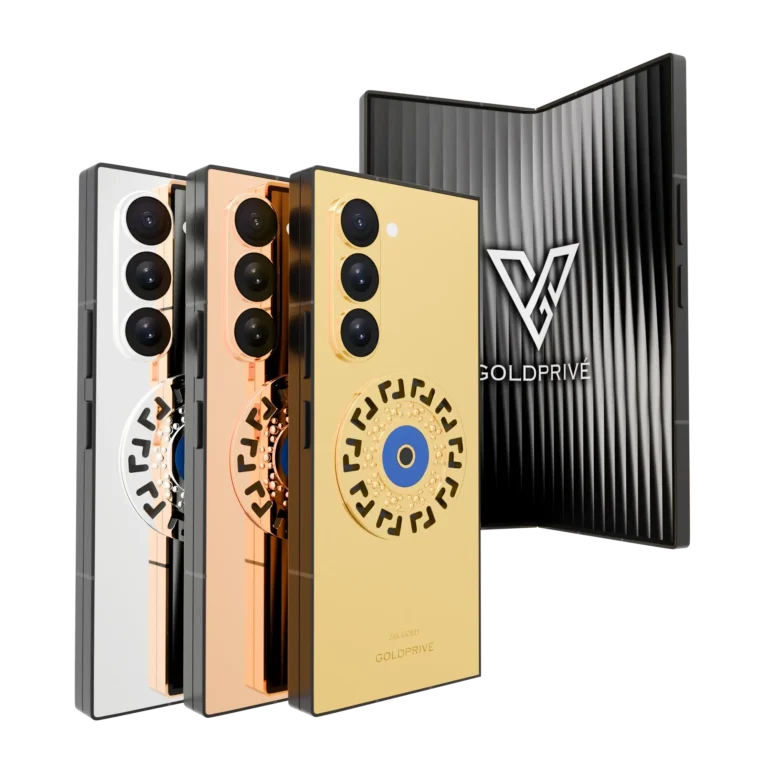
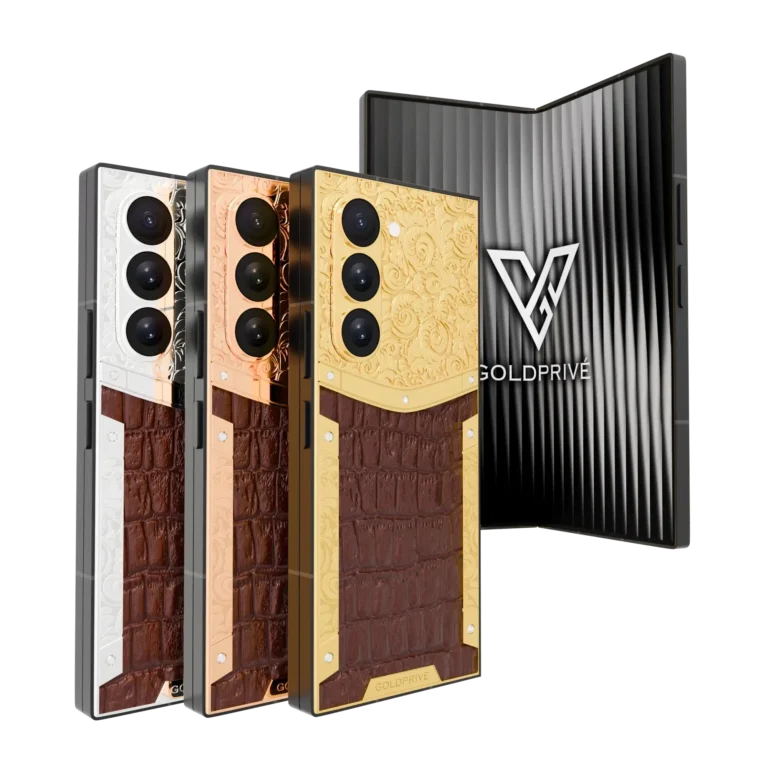
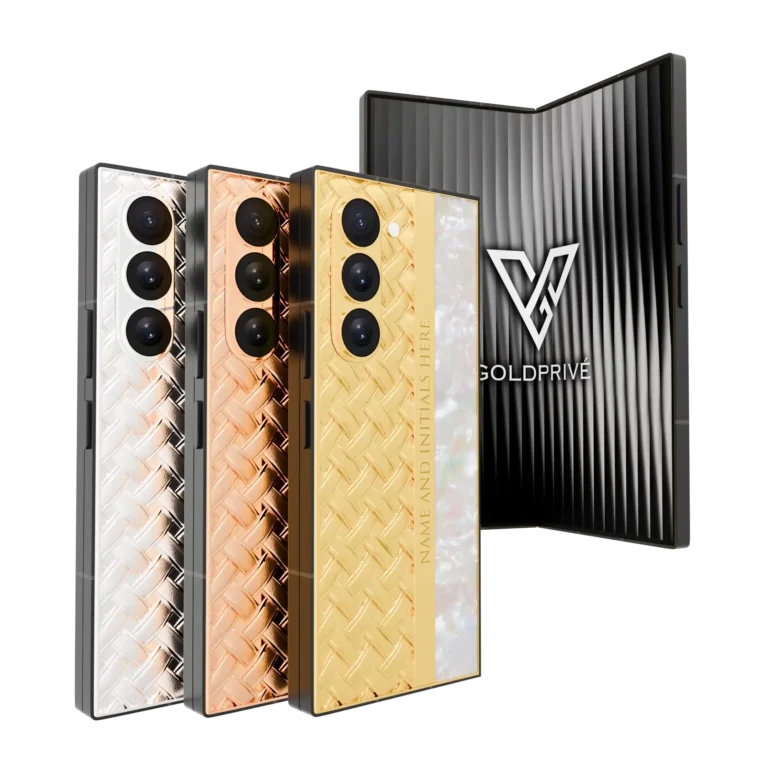
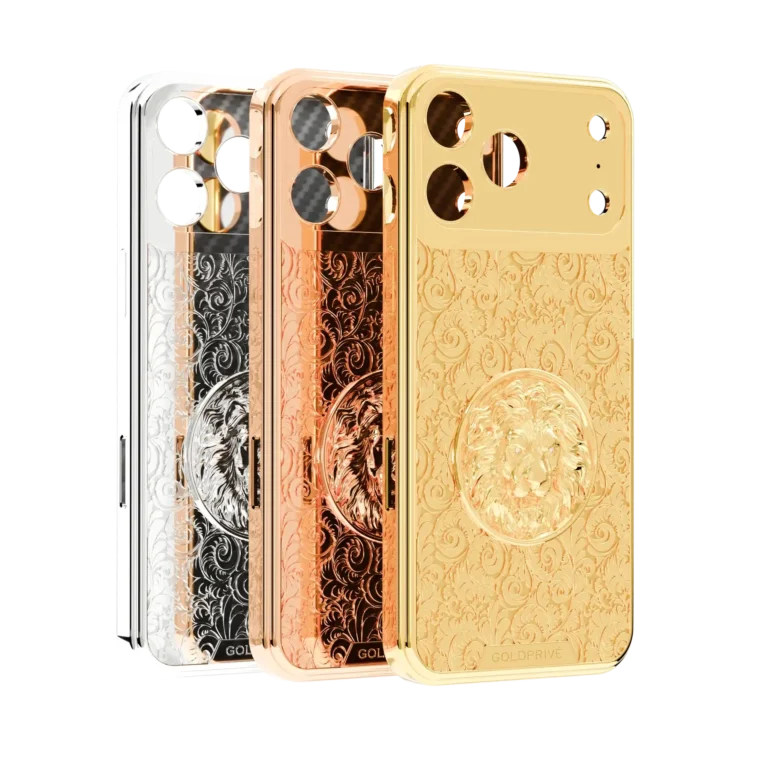
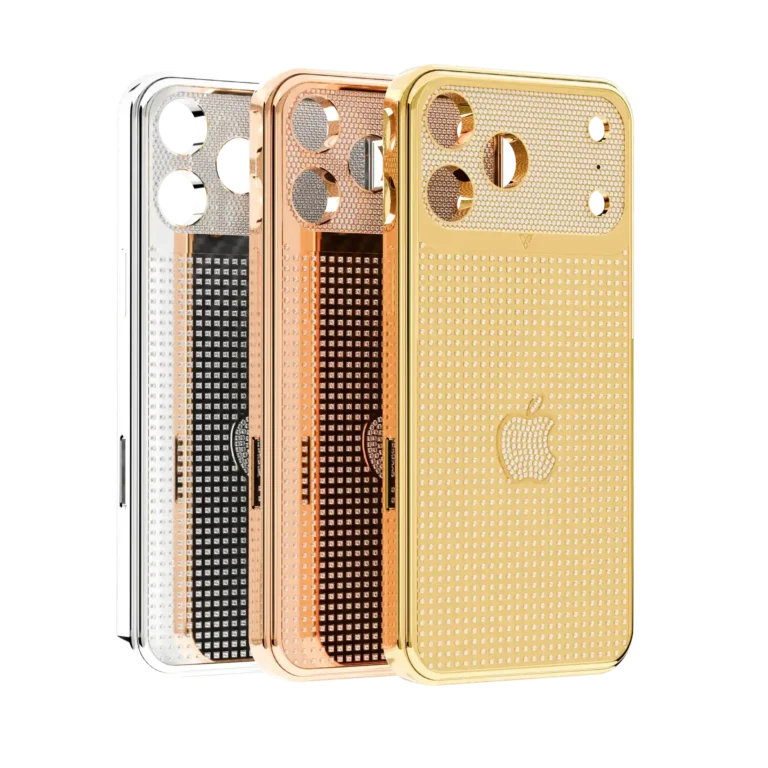
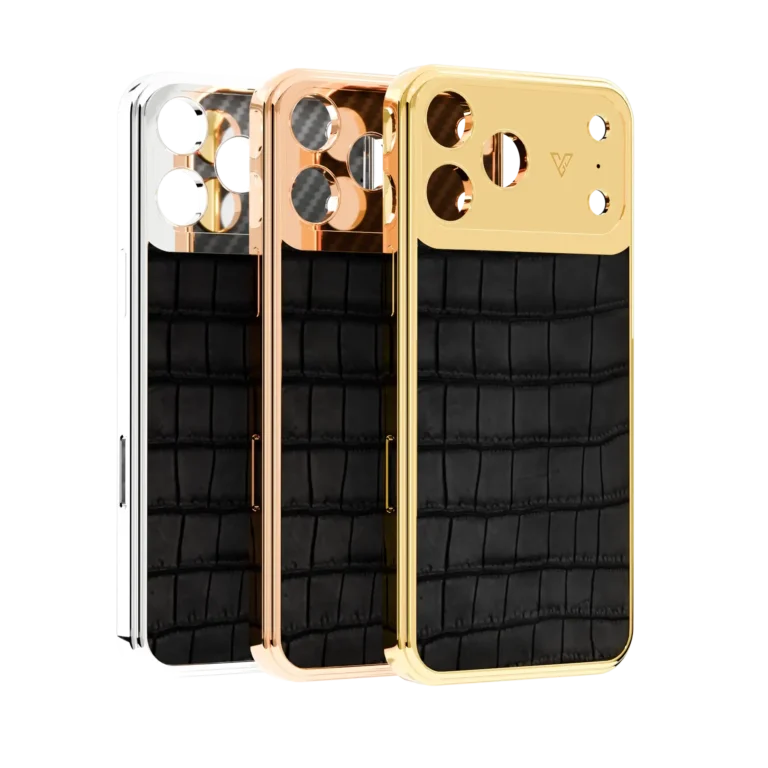
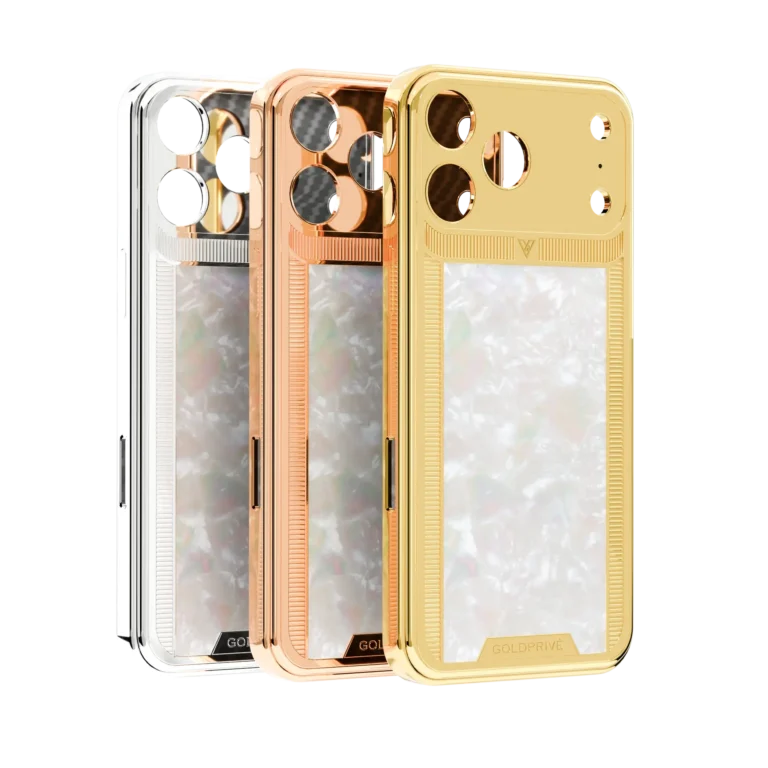
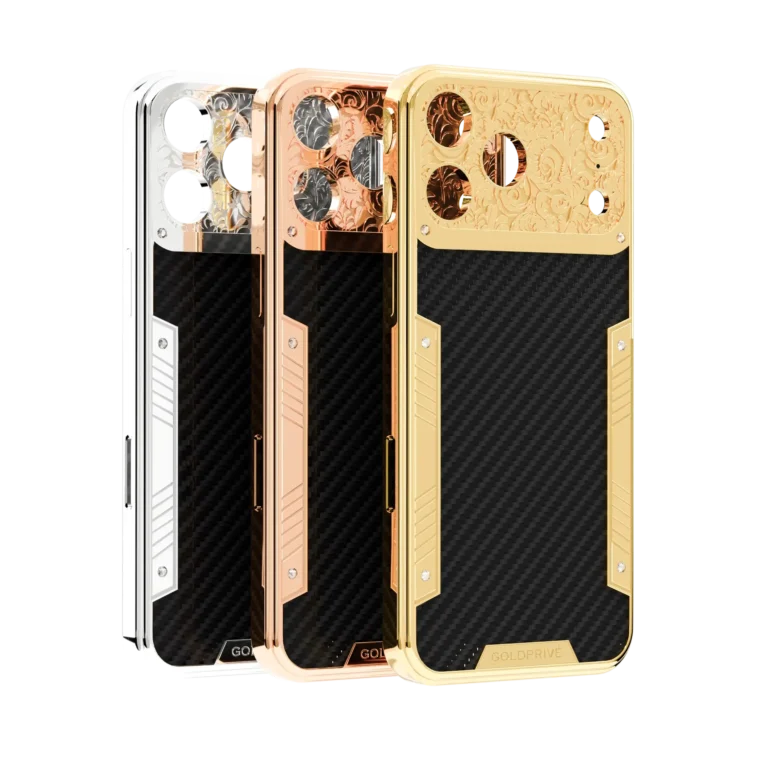
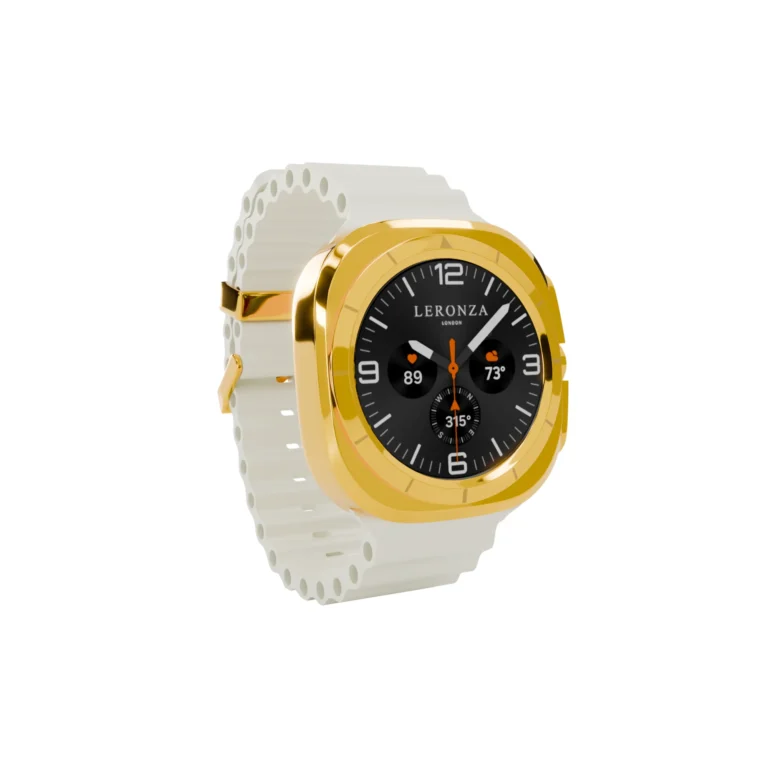
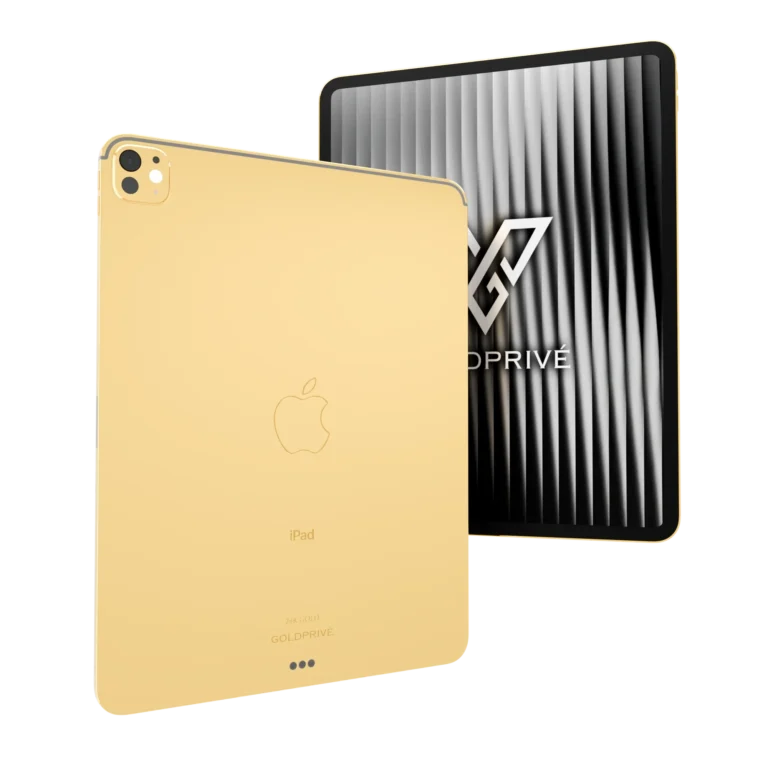
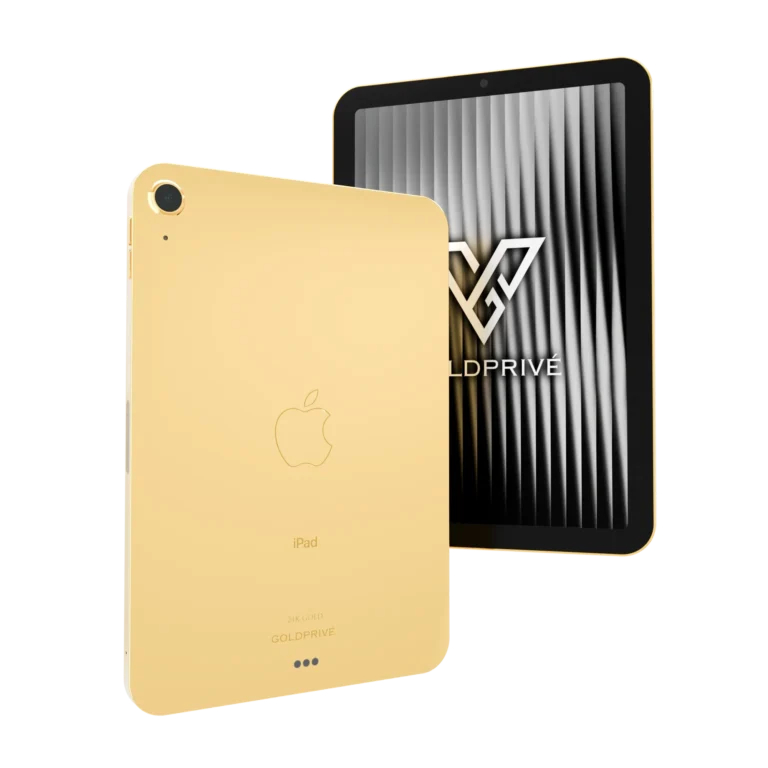
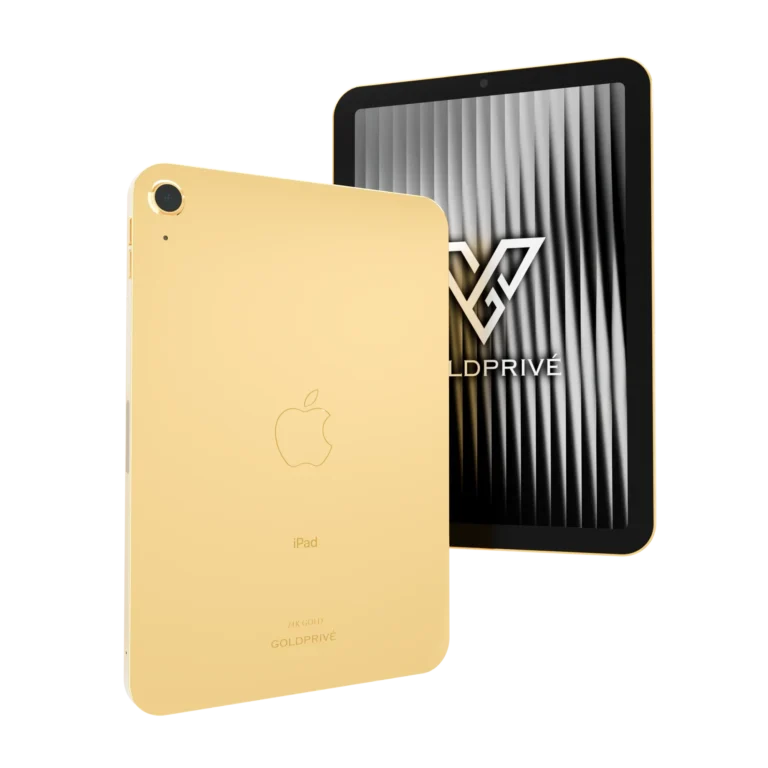
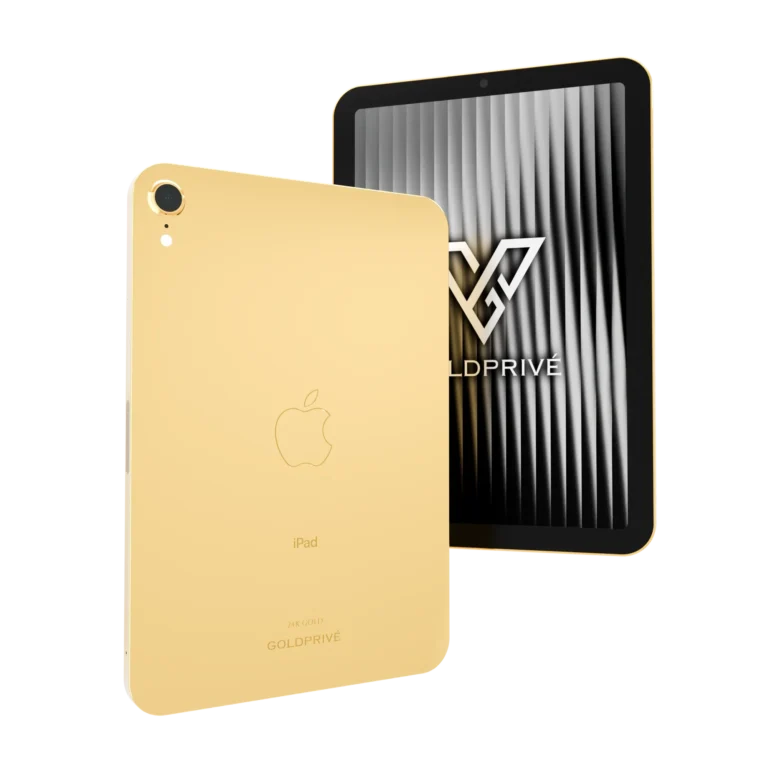
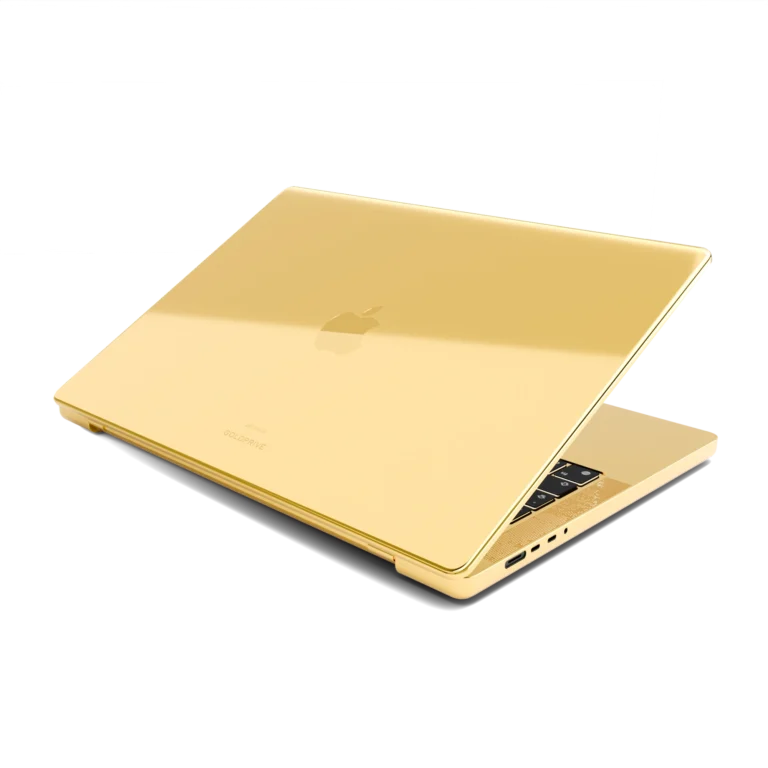
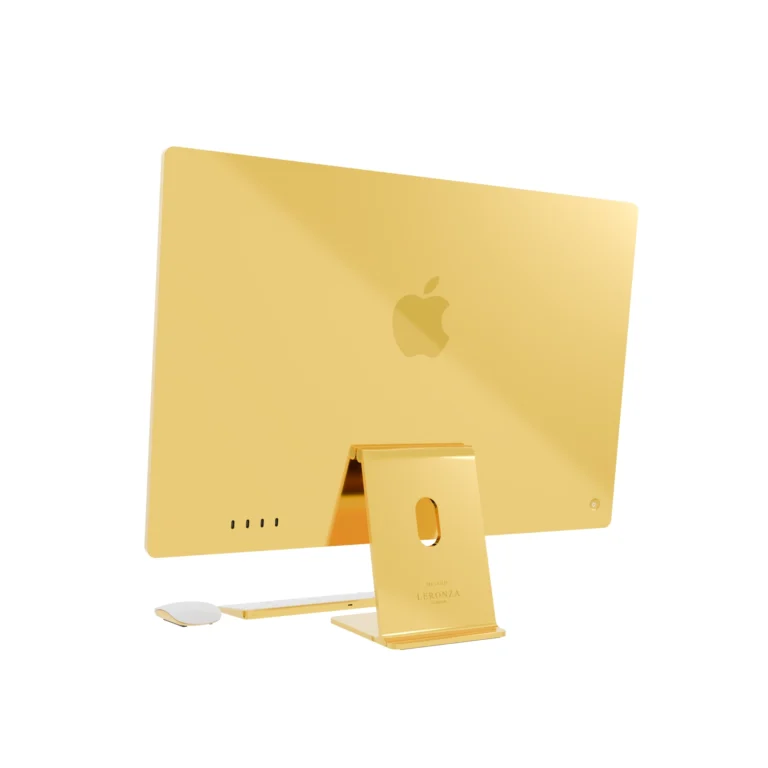
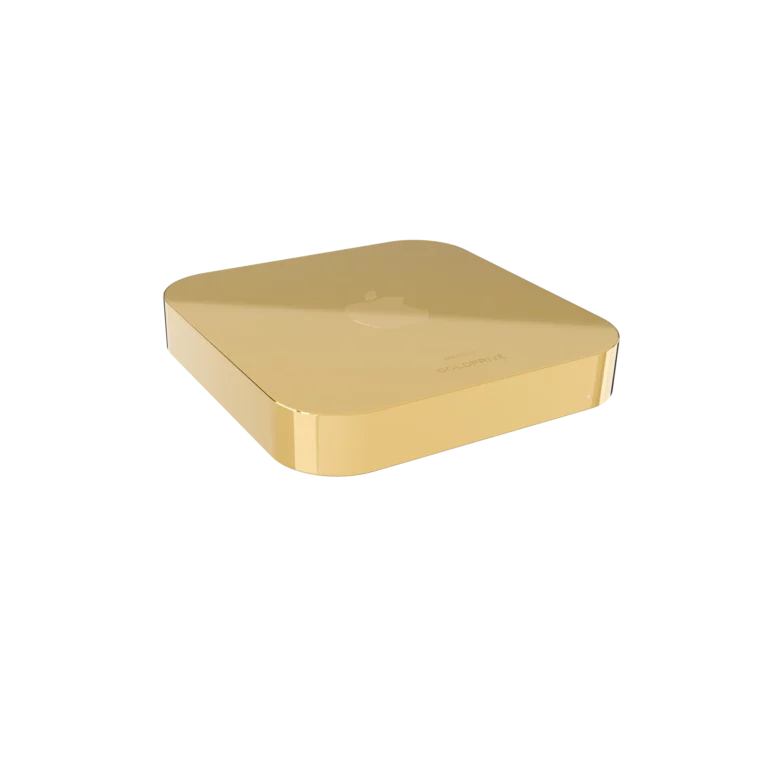
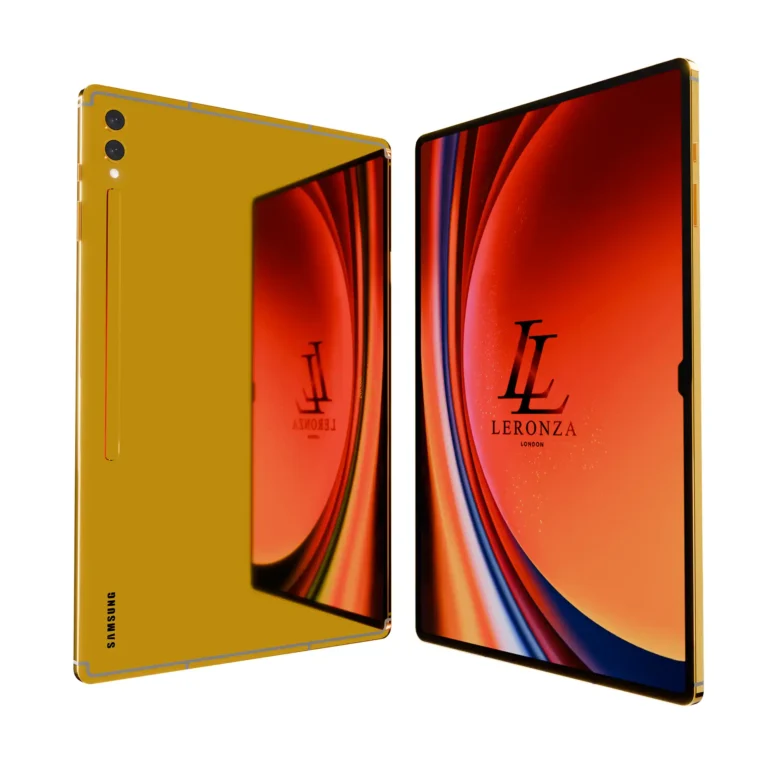
24K Gold is Leronza’s most consistently applied finish, spanning the iPhone 18 line, iPhone Air, matte-colour iPhone 17 designs, and the solid-gold-accent collection, at prices from roughly $ 2,799 to $ 4,190 depending on the piece. It’s the least ambiguous finish in the lineup — there’s no debate about what “24K Gold” looks like the way there sometimes is with Rose Gold’s shifting tone under different light — and that clarity, more than anything else, is the finish’s whole appeal. It isn’t the most distinctive choice available, but it is the most dependable one.
How 24K Gold Plating Actually Gets Applied
Before assessing whether the finish is worth choosing, it’s worth understanding what actually happens to a device during the process, since “24K gold” as a marketing phrase and “24K gold” as a physical layer of metal are two different claims. GoldPrivé’s process, consistent with standard precious-metal electroplating used across the luxury customization industry, follows roughly the same sequence regardless of which device is being finished:
The case and backplate are cleaned and inspected to remove any contaminants, oils, or residue that would prevent the gold layer from bonding evenly. Any imperfection at this stage shows through in the final finish, so it’s treated as a quality-control checkpoint rather than a formality.
The surface is refined to the smoothness required for an even plating layer. Gold plating amplifies surface texture rather than hiding it, so any polishing done here directly determines how reflective and consistent the finished piece looks.
The device is submerged in a solution containing dissolved gold, and a controlled electric current draws a thin, continuous layer of metal onto the surface. GoldPrivé’s published specification for this stage is 5 to 7 microns across the case and backplate — thick enough to resist ordinary wear far better than the sub-micron plating common in cheaper decorative goods.
Every finished piece is checked against the intended specification before being paired with its Certificate of Authenticity and packaged. This is also the stage where any personalization — engraving a name, initials, or custom detail — is verified against what the customer actually ordered.
The mechanics of how this compares to a genuinely solid gold object — and why “5 to 7 microns” is a meaningfully different claim from “solid gold” — are covered in full in solid gold vs. gold-plated: what’s the real difference. This review assumes that context and focuses instead on where the 24K finish specifically performs well, and where its limitations sit.
Where 24K Actually Appears Across the Catalogue
Unlike Rose Gold or Platinum, which are positioned as alternate choices within specific lines, 24K Gold runs through nearly every collection Leronza currently offers. Here’s what that looks like in practice, collection by collection:
| Collection | 24K Gold Application | Price |
|---|---|---|
| iPhone 18 Pro / Pro Max | Full case & backplate plating, 5–7 microns, six named designs | $ 4,190–$ 4,890 |
| iPhone Air | Full case & backplate plating, matching thickness spec | From $ 4,190 |
| iPhone 17 matte-colour designs | 24K accents layered over a matte-finish base colour | From $ 2,799 |
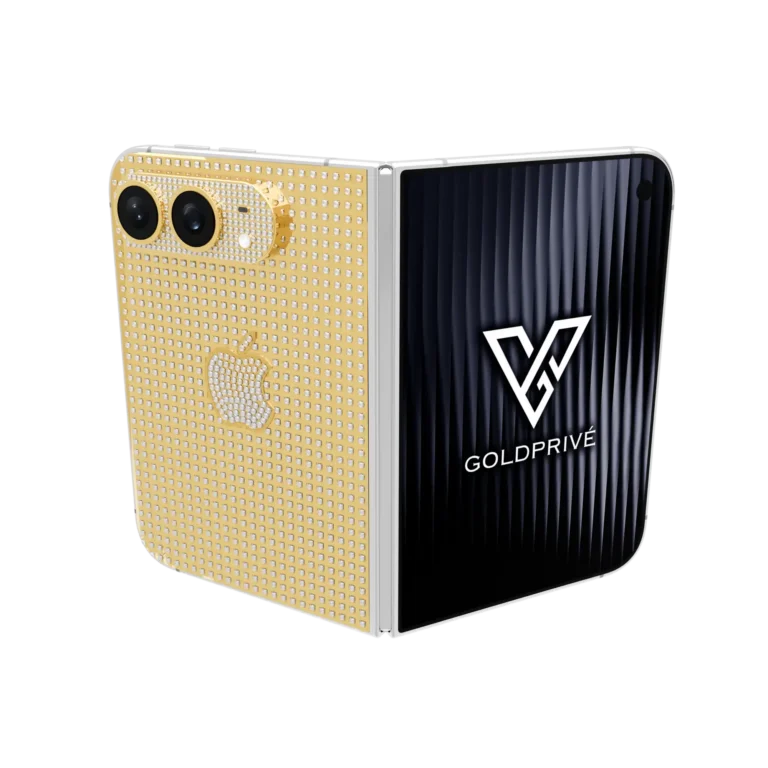
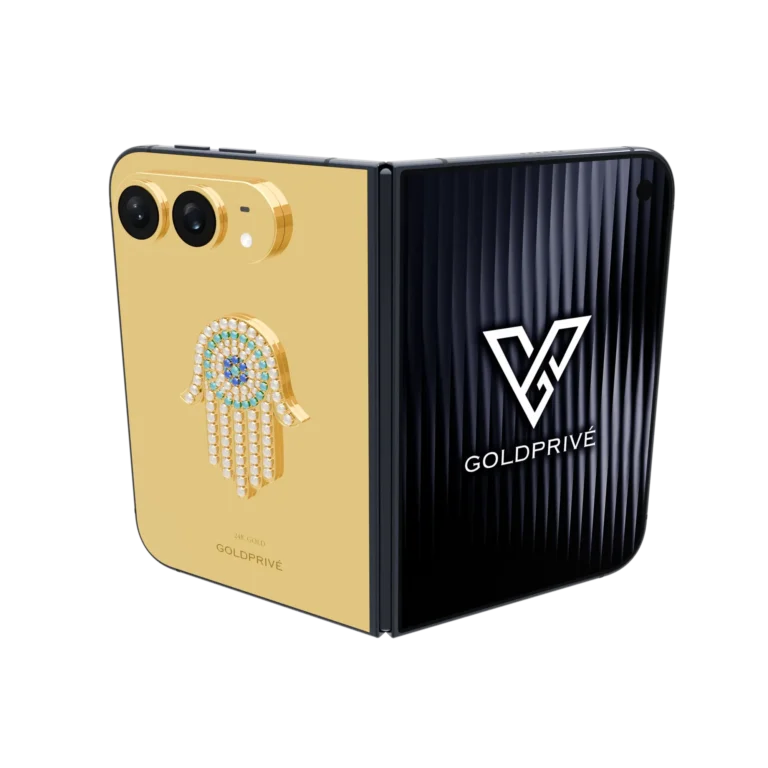
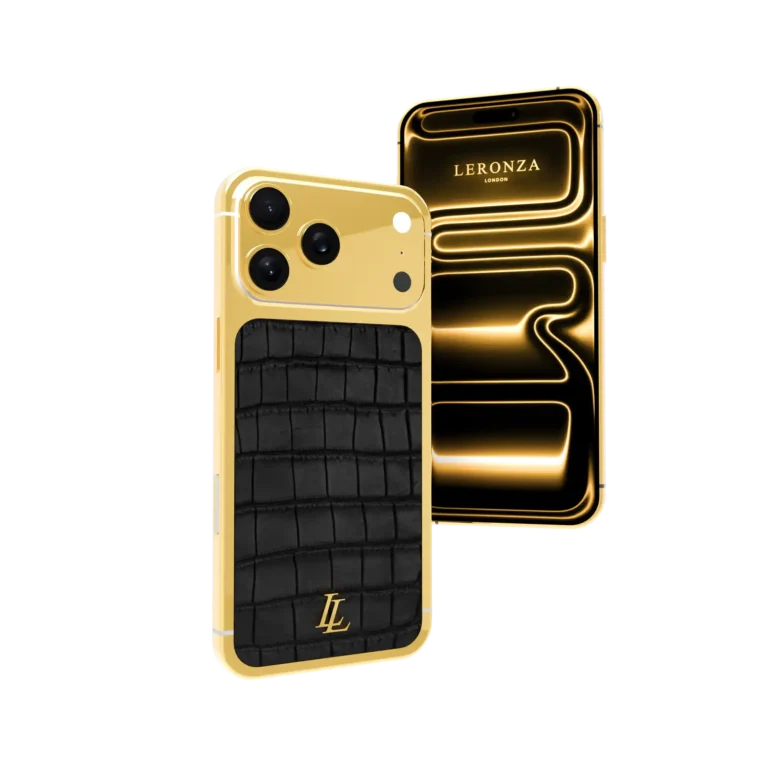
| Solid-gold-accent collection (Hamsa Eye Amulet, LuxEvil Charm, and related designs) | Plated case plus a genuinely solid 18K gold charm layered in 24K | $ 9,690–$ 11,160 |
The solid-gold-accent pieces are the only place in the catalogue where 24K Gold appears twice, in two different forms, on the same device — as plating on the case, and as a genuinely solid charm layered in 24K on top of an 18K base. Reviewed purely as a showcase of the finish, that dual construction is the strongest single argument for 24K in the entire lineup, and it’s worth reading is bespoke luxury tech a real collectible for what that combination does, and doesn’t do, for long-term provenance.
Karat Purity, Explained Properly
“24K” is a purity measurement, not a brand name, and it’s worth being precise about what it actually means, since the number gets thrown around loosely in luxury marketing. Karat purity measures how much of an alloy is gold by weight, out of 24 total parts. 24 karat is essentially pure gold, around 99.9%. 18 karat — the purity used for the solid charm component on Leronza’s accent collection — is 75% gold by weight, with the remaining quarter made up of other metals for strength, since pure gold is naturally too soft to hold a fine engraved shape on its own. This standard is the same one used across fine jewellery globally, and is codified in the United States under the Federal Trade Commission’s jewelry marking guidance.
What this means practically for the plated finish: 24K plating uses the purest gold available for the process, but purity and quantity are two separate questions. A 24K-plated surface at 5 to 7 microns contains a specific, disclosed amount of gold; an 18K solid charm at 20 to 35 grams contains a different, and in absolute terms larger, quantity of gold at a slightly lower purity. Both are legitimate uses of the term “gold,” and the difference is exactly why this review treats “24K” as a purity and application claim rather than a single fixed thing.
What Holds Up, and What to Weigh Before Buying
The most universally recognizable “gold” tone, with none of the lighting-dependent shift Rose Gold shows under different light sources, a distinction covered fully in 24K gold vs. rose gold: what actually changes.
Applied consistently at the same 5-to-7-micron thickness across every collection it appears in, rather than the plating quality varying by product line the way it can with less transparent customizers.
Present in more of the catalogue than any other finish, from entry-level matte-colour designs starting under $2,800 to the flagship iPhone 18 line near $4,000.
The purity standard behind the “24K” label is externally regulated, not a marketing invention, which makes the claim independently verifiable rather than taken purely on trust.
Being the most common choice, it’s also the least distinctive option if the goal is standing out rather than being immediately recognized as gold.
Customization ends water resistance and affects Apple’s original warranty regardless of finish, a tradeoff explained in full in GoldPrivé’s gold iPhone FAQ, not something unique to choosing 24K over the alternatives.
As a plated finish rather than a solid body, it doesn’t carry the same intrinsic melt value a solid gold object would, a distinction worth understanding before treating any plated piece as an investment.
A Practical Checklist Before Choosing 24K
- Confirm the plating thickness in microns. “24K gold” describes purity, not quantity applied — ask for the micron figure specifically, and treat anything under roughly 2 microns as decorative rather than durable.
- Check whether the price is identical across finishes. On GoldPrivé’s current catalogue it is, which is a useful benchmark when evaluating any customizer’s pricing structure.
- Ask what personalization is included at that price. Engraving, initials, or a custom design element are typically bundled into the base price rather than charged separately.
- Confirm what documentation comes with the piece. A Certificate of Authenticity should specify the plating thickness and finish, not just state “24K gold” without supporting detail.
- Decide whether you actually want the safest read or the less expected one. This is the one decision no specification sheet can make for you — it comes down entirely to whether recognizability or distinctiveness matters more for how you intend to use the piece.
Maintenance & Longevity: What Actually Extends the Finish’s Life
Plating thickness sets the ceiling on how long a finish can last; day-to-day care determines whether it actually gets there. A few specifics worth following rather than generic “handle with care” advice:
| Cleaning | Soft, dry microfiber cloth only. Avoid anything abrasive, including standard phone-cleaning wipes that contain alcohol or solvents. |
| Water exposure | Minimize prolonged contact. Once customized, the device is no longer water resistant, so treat it as you would an uncoated precious-metal object. |
| Protective foil | Leave factory-applied protective foil in place until you’re genuinely ready to use the device; removing it early is generally what starts the warranty period. |
| Storage | Store away from other metal objects or keys that could cause surface scratching when carried loosely. |
| Periodic inspection | For pieces kept long-term, Leronza’s own gold plating services can assess and, where needed, refresh a finish rather than leaving wear to accumulate unaddressed. |
How It Sits Next to the iPhone 18 Collection Review
If you’ve already read the Gold iPhone 18 collection review, this piece picks up deliberately where that one leaves off: that review assessed a single collection across all three available finishes, while this one assesses a single finish across the entire catalogue it appears in. Both arrive at the same underlying conclusion from different directions — the craftsmanship claim holds up consistently under scrutiny, and the real decision buyers face is personal fit and intended use, not a hidden quality gap between the options on offer.
Questions About the 24K Finish Specifically
Is 24K Gold available on every GoldPrivé product?
It’s the most widely offered finish, appearing across the iPhone 18 line, iPhone Air, matte-colour iPhone 17 designs, and the solid-gold-accent collection, though availability should always be confirmed on the specific listing you’re considering.
Does 24K Gold plating tarnish or change colour over time?
With proper care — a soft cloth, no harsh chemicals, avoiding prolonged water exposure — genuine gold plating at Leronza’s published thickness is designed to hold its tone well under normal daily handling, since gold itself doesn’t oxidize the way base metals do.
Why is 24K Gold the least expensive option on some designs but not others?
Price differences come from the underlying device and design complexity, not the finish itself. 24K Gold, Rose Gold, and Platinum are priced identically within any single model across GoldPrivé’s current catalogue.
Is the 24K charm on the solid-gold-accent collection the same purity as the plating?
No, and that distinction is worth understanding clearly: the charm itself is 18K solid gold with a 24K layer on top, while the case and backplate are plated separately at 5 to 7 microns — two different gold applications on the same device.
Should I choose 24K Gold if I want my device to look distinctive?
Not necessarily. Because it’s the most commonly chosen finish, Rose Gold or Platinum may read as more distinctive precisely because they’re seen less often — a genuine tradeoff worth weighing against 24K’s universal recognizability.
Does the 24K finish affect resale value differently than other finishes?
Not directly. As explained in gold iPhone resale value, construction and scarcity drive resale value far more than which of the three plating finishes was originally chosen.
How is karat purity actually regulated, and can I verify it independently?
In the United States, karat marking is governed by the Federal Trade Commission’s jewelry guidance, which defines the percentage of gold each karat figure represents. That standard exists independently of any single retailer, which is what makes the “24K” claim checkable rather than purely promotional.
What’s the realistic lifespan of a well-maintained 24K plated finish?
Leronza doesn’t publish a fixed lifespan figure, and it depends heavily on handling, but plating in the 5-to-7-micron range is specified to withstand years of normal use when cared for properly, rather than the months typical of sub-micron decorative plating.
Reviewed on its own terms, 24K Gold earns its position as Leronza’s reference finish honestly — not through marketing language, but through consistent, disclosed application across more of the catalogue than any alternative, backed by a purity standard that exists independently of the brand itself. Whether that makes it the right choice for you personally depends on one question this review can’t answer on your behalf: do you want the safest, most recognizable read, or something a little less expected?
See every piece where the 24K finish is currently offered.